First Day of Spring

@font-face { font-family: “Cambria”;}p.MsoNormal, li.MsoNormal, div.MsoNormal { margin: 0in 0in 0.0001pt; font-size: 12pt; font-family: “Times New Roman”; }div.Section1 { page: Section1; }

      …making our Sunday rounds to the bakery, charcuterie, and the produce stand.  Our winter staples are all still there: the citrus, fennel, leeks, peas, and strawberries.   I should be getting bored with the selection, but it’s just the opposite, I haven’t had quite enough time with them yet.  These crops have been like winter tonics with their sharp and brilliant flavors.  We’ve consumed them daily for weeks now and Allan and I are healthy as horses and charged with energy.  
     The mingled smells of warm baguettes and ripe strawberries in the car on the way home made me desperate to make a small batch of strawberry jam to have with the crusty/chewy bread.  My friend Lauren just blessed me with a donna hay magazine featuring simple jams so I was all set.  
     I sense that the produce calendar is turning the page and probably soon, we will be packing away our reliable citrus juicer and getting excited about cherry pies and peach cobbler, but today, I want to hang on to a little more of winter.
     Happy birthday to Mom, who is exuberant about foods in season and taught me how to preserve food when you’ve got it.  
Basic Strawberry Jam
(from donna hay, issue 55)
1 kg strawberries, hulled and halved
1 tablespoon water
1 vanilla bean, split and seeds scraped
1 kg white sugar
½ cup (125 ml) lemon juice
2 teaspoons lemon seeds, wrapped in a piece of muslin
Step 1  Place the strawberries and water in a jam pan or large, deep frying pan over medium heat and cook for 15-20 minutes, stirring occasionally, or until the fruit begins to beak down.
Step 2  Add the vanilla, sugar and lemon juice and tie the muslin bag to the handle of the pan, ensuring it is immersed in the jam.  Stir until the sugar is dissolved.  Bring jam to the boil.  Place a sugar thermometer in the pan, reduce heat to medium and simmer for 10-15 minutes or until temperature reaches 105 degrees C (225 F).
Step 3  While the jam is simmering, use a large metal spoon to skim any foam from the surface and discard.
Step 4  Remove the vanilla bean and carefully pour the hot jam into sterilized glass jars.  Seal with the lids and turn jars upside down until cool.  Makes 4 cups (1 litre)
I just heard the two satisfying pops that mean the jars are sealed.

The Dinner Party

@font-face { font-family: “Cambria”;}p.MsoNormal, li.MsoNormal, div.MsoNormal { margin: 0in 0in 0.0001pt; font-size: 12pt; font-family: “Times New Roman”; }div.Section1 { page: Section1; }

     It’s been a while since Allan and I have hosted the big dinner party all by ourselves.  What I mean by this is that for the past 10 years, we have had a full-time cook and when we entertained, while we certainly contributed our “fingerprints” and often more to the meal, we had a team behind us prepping, cleaning, cooking, serving, cleaning up afterward, and leaving the leftovers in nice little containers in the refrigerator for lunch the next day.  In case you’re wondering what universe we’ve been in, we’ve been living the life of an expat in Asia.  And it was nice, especially when our sons were at home, and yet, it came with a certain amount of loss of individuality and privacy.  So when we moved to Tunis, as empty nesters, we decided to take back that element of living.  We do have a woman who comes three mornings a week and cleans and irons, but that is it. 
     Due to a number of factors:  we were renovating our house, our shipment didn’t arrive until December, then there was a revolution, and then we were tired, we haven’t much had anyone over.  But this week our newly hired administrative staff for next year converged for a week of “admin camp”, I’m calling it, and we really wanted to have a great dinner party at our house for about 12 people. 
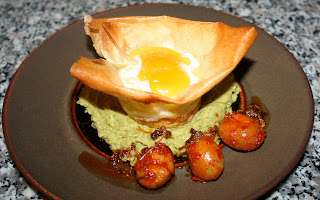
     I tried to do everything I could as early as I could, but when you’re working with a lot of fresh produce, there is just going to be last minute prep.  Dear Allan is the most wonderful and long-suffering prep cook in the world.  We got away a little early from school on Wednesday afternoon, got the tagine in the oven (see Julie’s Walk for recipe) and then proceeded preparing artichokes, carrots, fresh peas, radishes, roasted eggplant dip, and then the centerpiece of the evening, in my opinion, a baked egg in brik pastry with homemade harissa on a bed of fresh spring pea mash.  With olives. 
     I already said I am a little out of practice with the whole timing of the dinner party.  We were in super shape until the guests arrived and then I needed to also become the hostess.  I got a little distracted.  The brik pastry cups were tossed into the oven that I had inadvertently turned off.  The soupy tagine sat on the stovetop, needing a hard boil to reduce the liquid, and the couscous that I had started on the stovetop scorched in the pan before I had finished showing our guests the upstairs bedrooms.  But these are lovely friends and cooks, every one, so they came in the kitchen to help me fill the pastry cups with eggs.  Ridiculousness ensued, as the cups weren’t completely flat on the bottom and so when we cracked eggs into them, they tipped over and the raw eggs slid freely into the pan.  I fetched out enough workable pastry baskets for one each and the others we scraped into the garbage.  At night’s end, however,  I do think it was the best dish and it’s all symbolic of spring with the grassy pea mash and the baked egg.  
     So we’ve had a wonderful week together and now these strong, brilliant women (they all happen to be) are going to come back in August and help us do the next phase of the work, but also be here to share the life.  I can’t wait.
For Lauren, Ann, Susan, and Barbara
     I tried to look for the recipe already printed online, but alas, no.  So I’m going to have to do it.  David Tanis (if you’re reading my blog) , I give you full credit for the recipe, even though I modified it with brik pastry and the pea mash.  From Heart of the Artichoke.
Savory Baked Eggs in Filo
6 sheets filo dough
8 Tbsp. butter, melted
3 Tbsp. olive oil
l lg. onion, sliced
Salt and pepper
1 garlic clove, smashed to a paste with a little salt
½ tsp. cayenne
½ tsp. cumin seeds, toasted and ground
6 large organic eggs
Harissa oil, recipe follows (not optional)
Preheat oven to 375 F.  To make pastries, lay a 12” square sheet of filo flat on the counter.  Paint it generously with melted butter and fold it in half.  Paint again with butter and fold once more.  Invert a 51/2” bowl over the folded sheet and with a paring knife, carefully cut a circle.  Gently press the circle of filo into a muffin tin.  Repeat with the remaining pastry sheets until you have six little filo cups.  Bake for 5 minutes, until just barely golden.  Cool.  Leave the oven on.
Heat the olive oil in a large skillet over medium heat.  Add the onion, season with salt and pepper, and let it brown slightly, then turn down the heat.  Cook, stirring occasionally, until the onion is soft, about 5 minutes.  Add the garlic, cayenne, and cumin and cook for a minute longer, then transfer the onion mixture to a bowl to cool.  Taste and adjust the seasoning.  It should be a little kicky.
Spoon a little of the onion filling into each pastry cup.  Break an egg into each cup and season with salt and pepper.
Bake for 10 to 15 minutes, until the eggs are set, but the yolks are still runny.  Serve warm on a bed of fresh pea mash, with olives, drizzled with harissa oil.
Harissa Oil
1 Tbsp. cumin seeds
1 Tbsp. coriander seeds
1 tsp. caraway seeds
1 tsp. fennel seeds
3 Tbsp. sweet paprika or  mild ground red chile
1 tsp. cayenne
1 to 2 garlic cloves, smashed to a paste with a little salt
1 tsp. salt
1 cup olive oil
A few drops of red wine vinegar
Toast all the seeds in a dry pan over medium heat until they are fragrant.  Grind the toasted seeds in a mortar or spice mill, then put them in a bowl. 
Add the paprika, cayenne, garlic, and salt.  Stir in the olive oil and vinegar.  The harissa oil will keep in the fridge for a week or two.
Spring Pea Mash
4 cups freshly shelled peas
4 Tbsp. melted butter
1 cup homemade chicken stock
Sea salt
Freshly ground pepper
Lemon juice
Combine all ingredients in a food processor until whipped and light.  Add lemon juice to taste.

Almonds in Bloom

@font-face { font-family: “Cambria”;}p.MsoNormal, li.MsoNormal, div.MsoNormal { margin: 0in 0in 0.0001pt; font-size: 12pt; font-family: “Times New Roman”; }a:link, span.MsoHyperlink { color: blue; text-decoration: underline; }a:visited, span.MsoHyperlinkFollowed { color: purple; text-decoration: underline; }div.Section1 { page: Section1; }

            I recently had the opportunity to take a midweek escape to the seaside towns of Hammamet and Nabuel.  This may have been my fifth drive in the past six months on this stretch of highway and till now, I have been mesmerized by the continuous fields of olives and grapes, but this drive, all I saw were the delicate white blossoms of almonds on gnarled, winter-bare branches.  Of course, it makes sense that there would be large orchards as almonds are a staple of Tunisian cuisine in almond paste, sweets, milk, and in savory dishes.  Beyond this region and time though, they are considered to be one of the earliest cultivated foods, mentioned, along with dates, in the Old Testament of the Bible.
             Almonds are actually stone fruits related to cherries, plums and peaches, which are the next three crops that will follow almonds this spring.  They are the most nutrient-dense tree nut. One ounce of almonds (20-25) contains 160 calories, only 1 gram of saturated fat, and no cholesterol.  They are an excellent source of vitamin E and magnesium, and a good source of protein and potassium.  I first became keen about incorporating almonds as a lifestyle choice when I learned that a long-distance runner friend of ours simply ate a handful of almonds for breakfast every morning.  The man is nothing but lean and it caught my attention.
Our friend, Paul, is visiting this week.  Being a fellow whole-foods soul and also wise in the ways of science, I asked him what he thinks is an important message about almonds at the moment. He alerted me to the tenuous balance between the honeybee hive providers and the pollination needs of the almond growers. In California this year, there will be 740,000 acres of almond-bearing groves, an increase of 20,000 acres.  Realistically, almond growers will need between 1.3 million and 1.5 million strong hives to pollinate all those acres.  This is from the blog The Bee Keeper, by Kim Flottum.  I had no idea about this interdependence.  I have truthfully never actually pondered almonds before, but I now find it incredible and also wonderful that after many millennia of almond cultivation, it’s still done the old fashioned way.  I really wonder now how intentionally Tunisian farmers pollinate their groves.  I know that the town of Tabarka is well-known for its excellent honey production so I wonder if there is a connection there.  That sounds like another great reason to take a road trip.

Happy Birthday to Moi

@font-face { font-family: “Cambria”;}p.MsoNormal, li.MsoNormal, div.MsoNormal { margin: 0in 0in 0.0001pt; font-size: 12pt; font-family: “Times New Roman”; }div.Section1 { page: Section1; }

I am celebrating my 50th birthday this weekend.  My birthday is March 4th and if you know me, you have been subjected to my witty little mnemonic about marching forth on March fourth (like into spring, usually) although this time, I’m pretty much marching forth into the second century of my life, assuming I get one.  I’m not going to write, however, about how I feel about turning 50 because I don’t know yet how I feel.  In short, I’m nervous, but hopeful.
            But a midcentury birthday requires some intention and I chose to spend the night at an iconic, midcentury hotel just blocks up the hill from our house called Villa Didon (The annotation on the above picture shows where our house is from the hotel.)  This is a boutique hotel built in the 1950s, brilliantly situated at the top of Carthage hill and also practically on the grounds of the Carthage archaeological center.  There are only 10 rooms, all facing the water, and we were on the end so our room had two balconies, one facing the Punic Ports and the other looking at the Carthage ruins.  

            The interior is clean, white spaces broken up by oversized glass doors offering views at every turn of water, or tree canopies, or ruins.  The interior decoration is modern, softened by some handcrafted touches like the twig chandeliers in the downstairs lounge or the framed violet petals in our room.  
            We like to have new adventures so we agreed to have a hamam bath at the spa.  We were led into a steamy, dimly lit, stone catacomb (right, we’re not wearing our clothes) and first sat on the edge of a little tub, 2 cubic feet (not the one pictured).  I think this is a prewashing station, but since I had showered, literally 1 hour previously, I just kind of soaked my feet.  Then, a muscular woman called us to a stone platform one at a time and gave us a scrubbing with a big, soapy Brillo pad.  I have seen big cotton mitts and a huge variety of dried flowers, herbs, and salts for sale in the markets that I assumed were for this purpose so I romanticized we would make some choices about the scrub concoction, but the plastic scouring mitt and whatever the soap in the bottle was did the job.    I have had exfoliating scrubs before so I found it a little invigorating.  Allan didn’t think he would do it again.  Many of our Tunisian, particularly women, friends do this once a week.  Maybe they don’t do so much bathing at home and then on Friday, after work, they go to the hamam for a proper scrubbing and then right off to the hairdresser for a wash and blow dry.  They kind of coax that look along for the rest of the week.  I get it.  It wouldn’t work for me, but it’s a cool ritual.
            There are some elements of the customer experience that I would love to work with the hotel on.  Several of the dishes in the restaurant had a slightly watery base, the whole spa experience could be more sensory, the staff forgets things, like breakfast.  It starts Allan and me talking, wouldn’t it be interesting to own this place and manage it really well and then we say, “Nah.”  We’ll just enjoy it for what it is and it’s a gem.

Julie’s Walk

@font-face { font-family: “Cambria”;}p.MsoNormal, li.MsoNormal, div.MsoNormal { margin: 0in 0in 0.0001pt; font-size: 12pt; font-family: “Times New Roman”; }a:link, span.MsoHyperlink { color: blue; text-decoration: underline; }a:visited, span.MsoHyperlinkFollowed { color: purple; text-decoration: underline; }div.Section1 { page: Section1; }

I had in mind writing something really clever about exploring my own backyard, a 100-yard radius of my house.  I went out with my camera on a Sunday morning and started photographing all of the daily street and sea scenes that are common sights.  I was having a wonderful time, but kept batting away the cartoonish feeling that I was reenacting the children’s book, Rosie’s Walk.  So let’s just get it out of the way.  Here is Rosie’s Walk and then I’ll take you on the tour of my neighborhood.
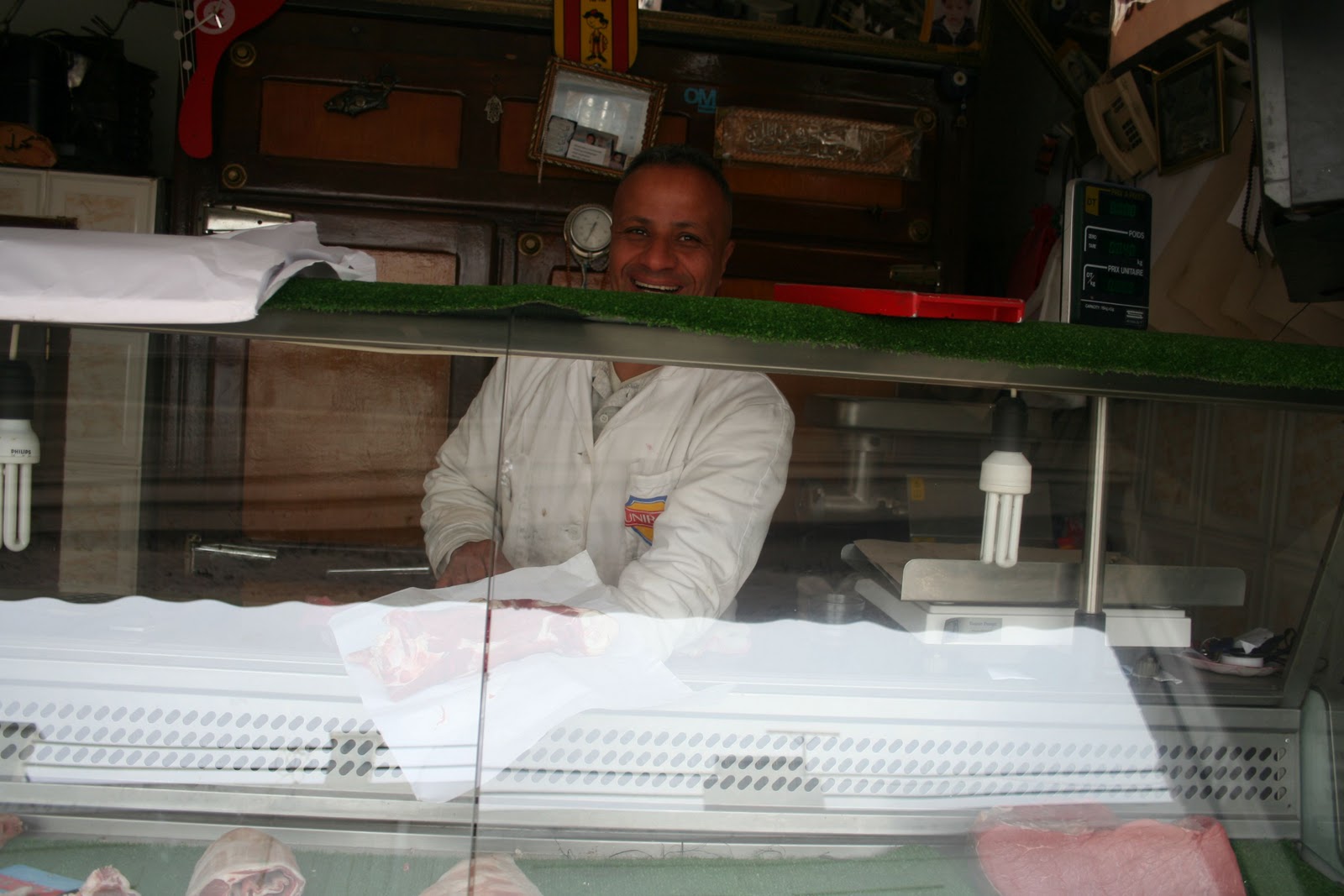
Julie took a walk out her front gate and to the corner where shops sell fruit, meat, prepared take away foods, and staples, meaning eggs, cheese, pastas, olives, harissa (a hot, roasted pepper paste), preserved lemons, and spices in bulk.  Just the stuff you need for everyday cooking.  She bought some lamb to try a tagine she is planning to make when her friends come to visit in two weeks.

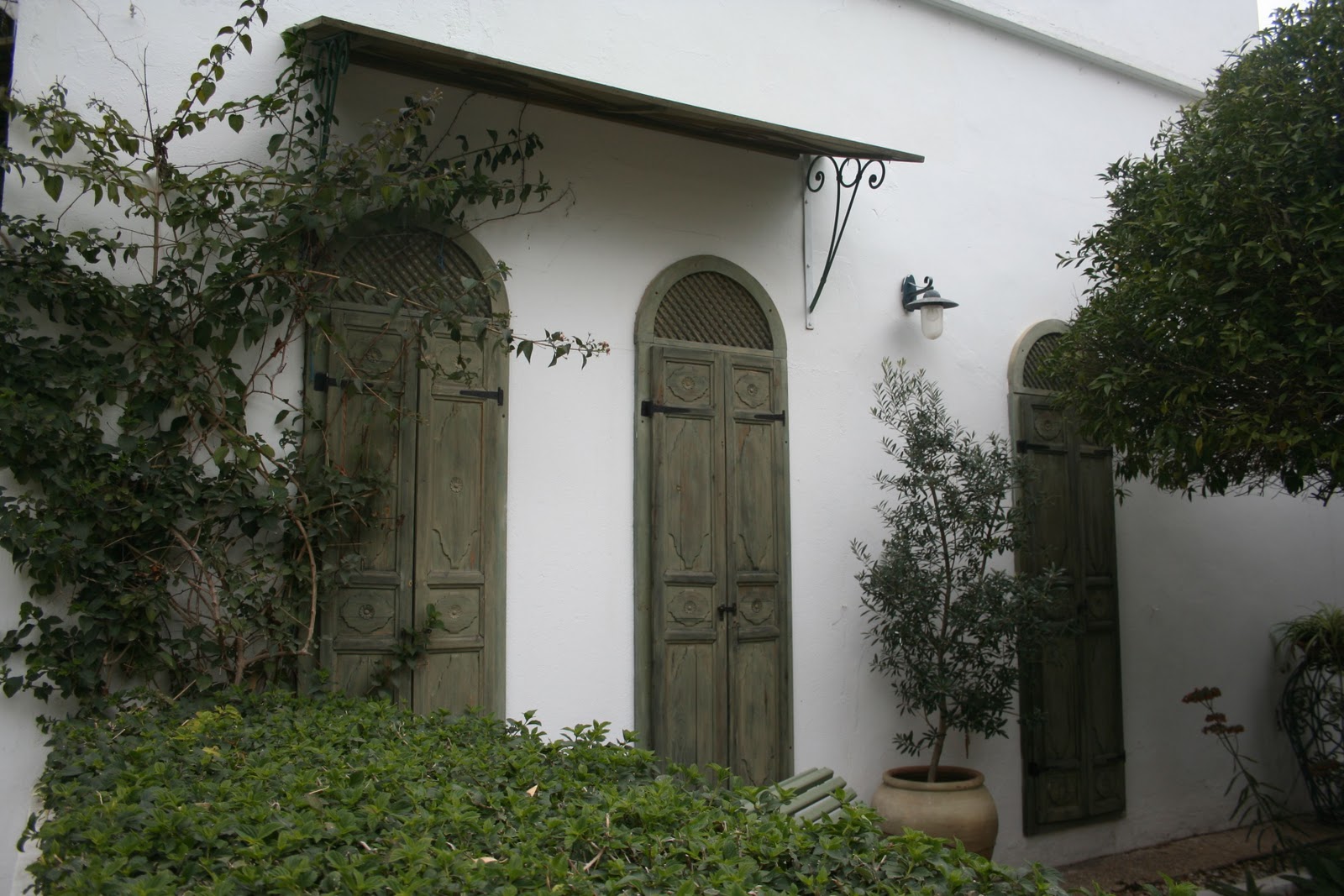
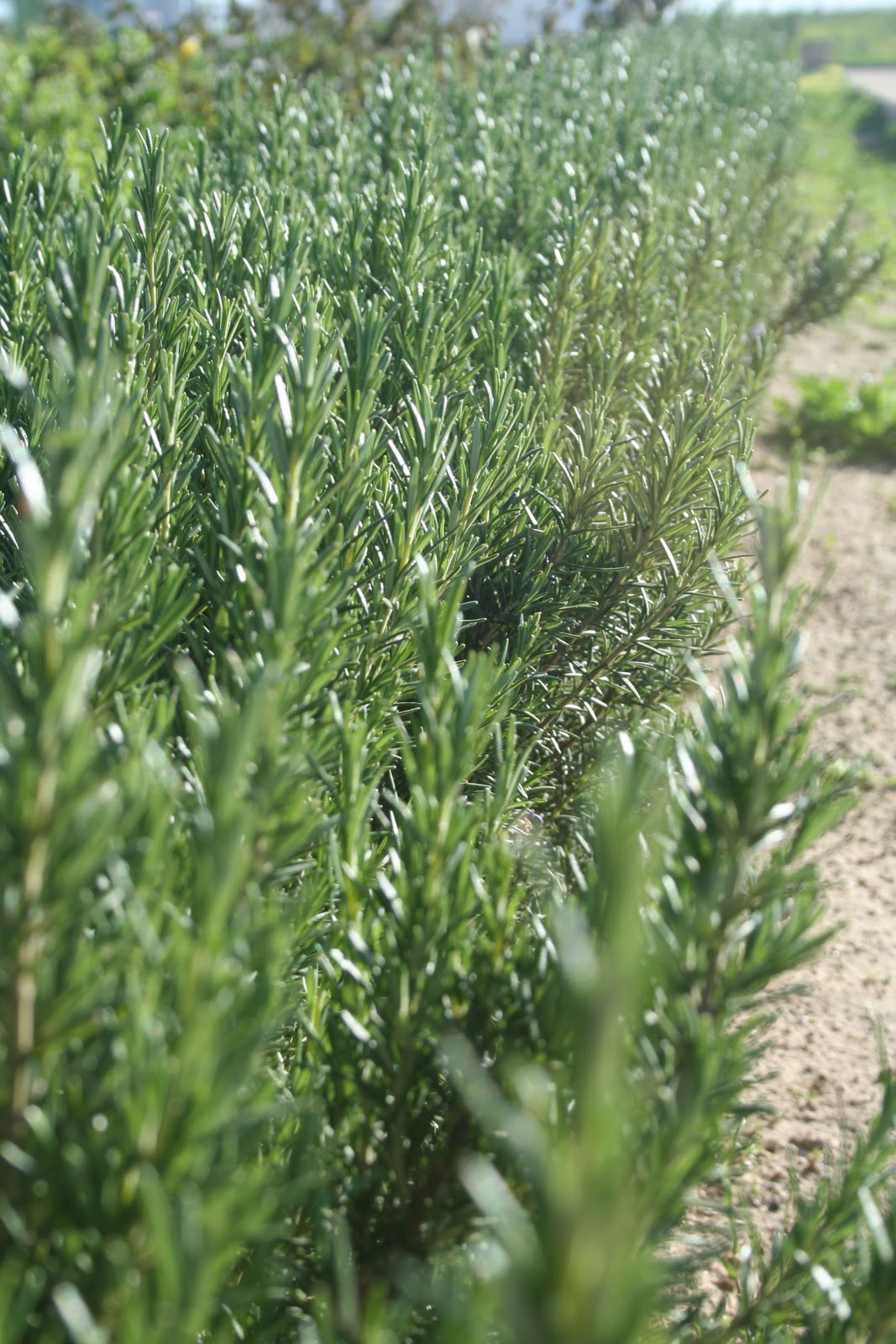
On the way back by her house, she admired the Islamic architecture and some budding flowers. Notice yet another photo of a Rosemary plant.

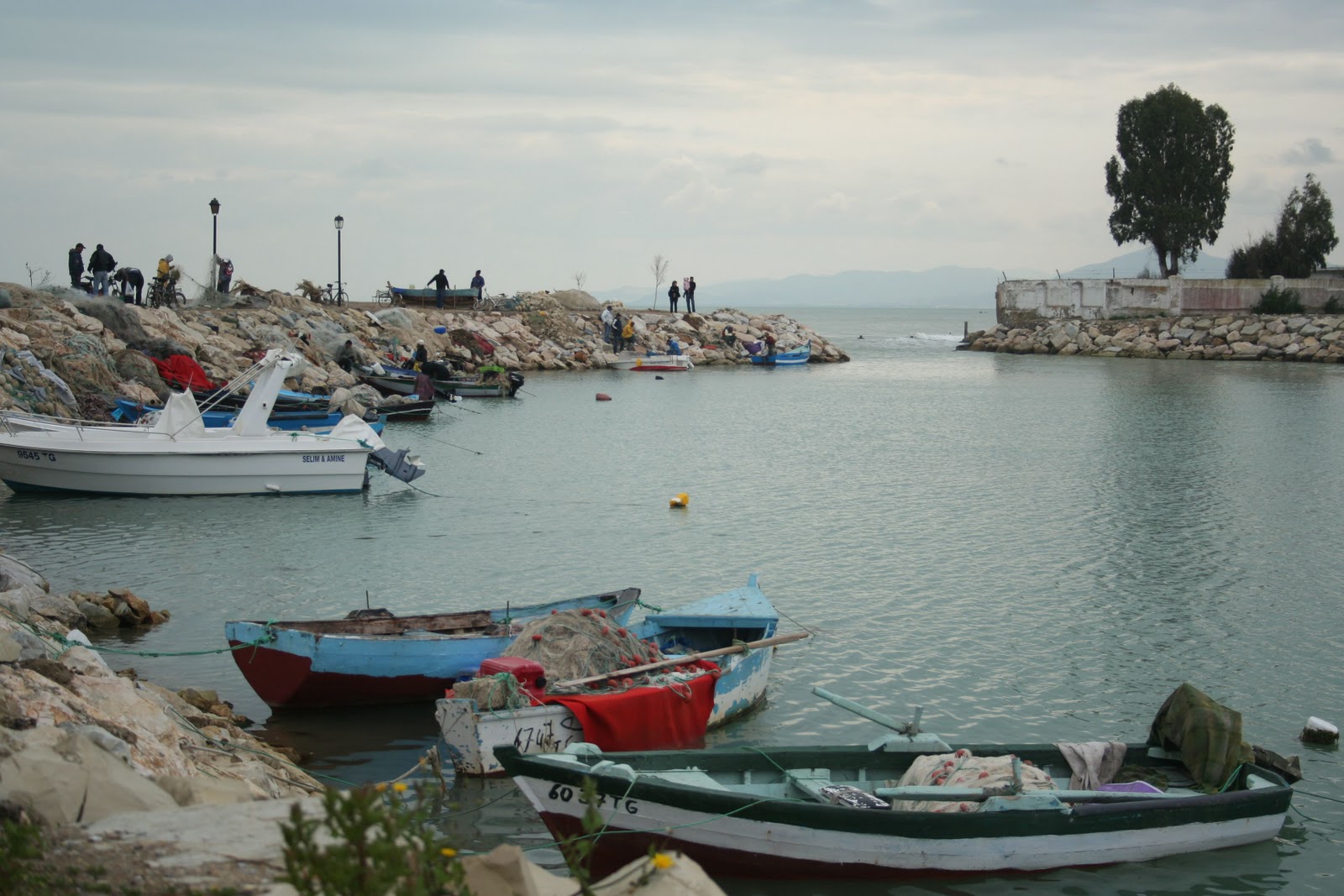
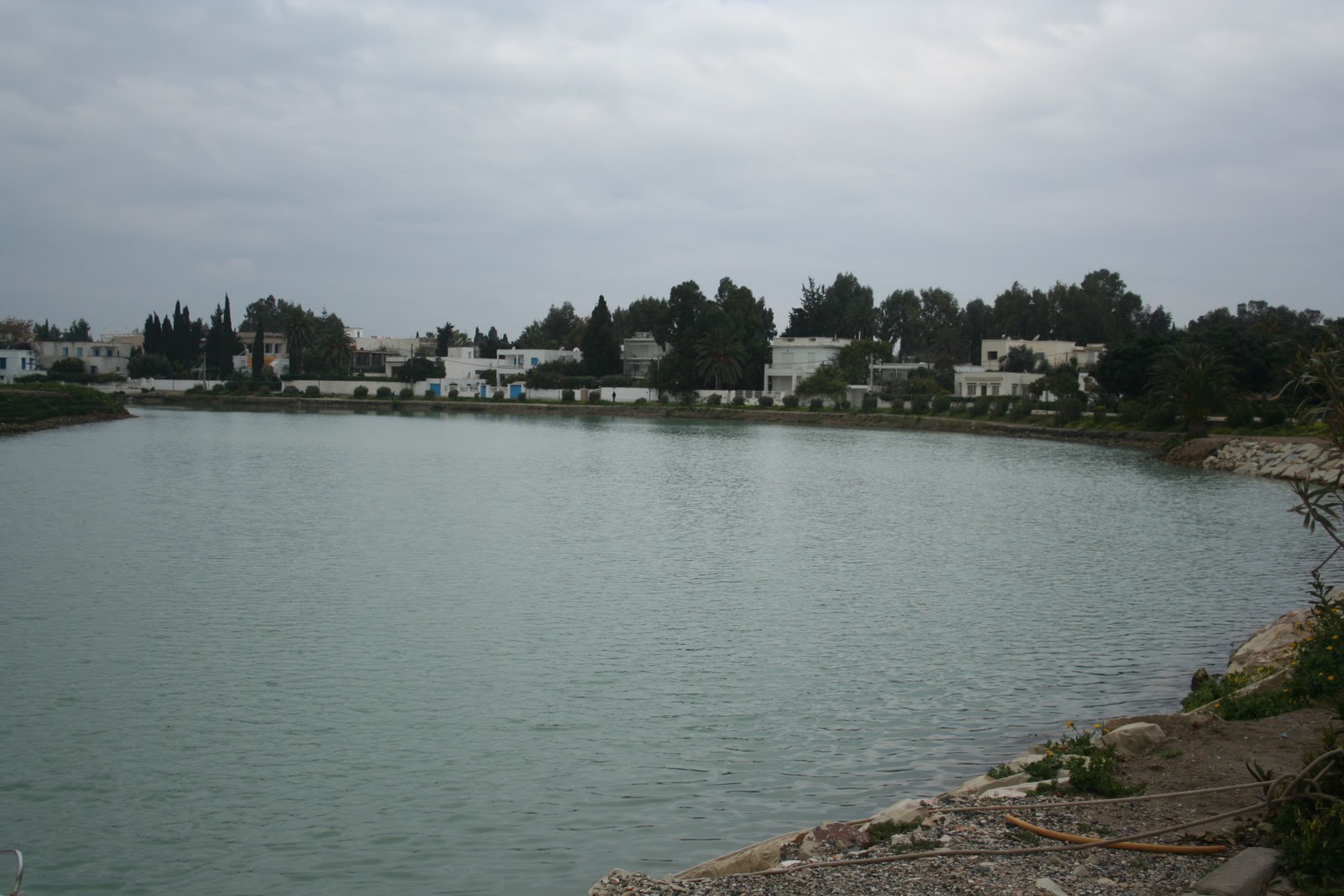
 She walked past ex-president Ben Ali’s exwife’s house to the Punic Ports where fishermen and families were enjoying the sea.


Then she walked to the main street where there are several smart restaurants and boutiques.

On the way home, she peeked through one of the alleyways at each block that have stairways down to the sea to watch a fisherman wrestling with his nets.

Finally, she walked through her own gate and into her real backyard where she photographed a couple of the new plants that are waiting to be planted.  These are olives and a lemon tree that is no more than a whip, but has already born a few lemons this season and is putting on new buds for next year.  What did she tell you about lemon trees?

She made it back inside her own house just in time to make dinner, “Fragrant Lamb with Prunes and Almonds”, recipe by David Tanis.

Utica

@font-face { font-family: “Cambria”;}p.MsoNormal, li.MsoNormal, div.MsoNormal { margin: 0in 0in 0.0001pt; font-size: 12pt; font-family: “Times New Roman”; }div.Section1 { page: Section1; }

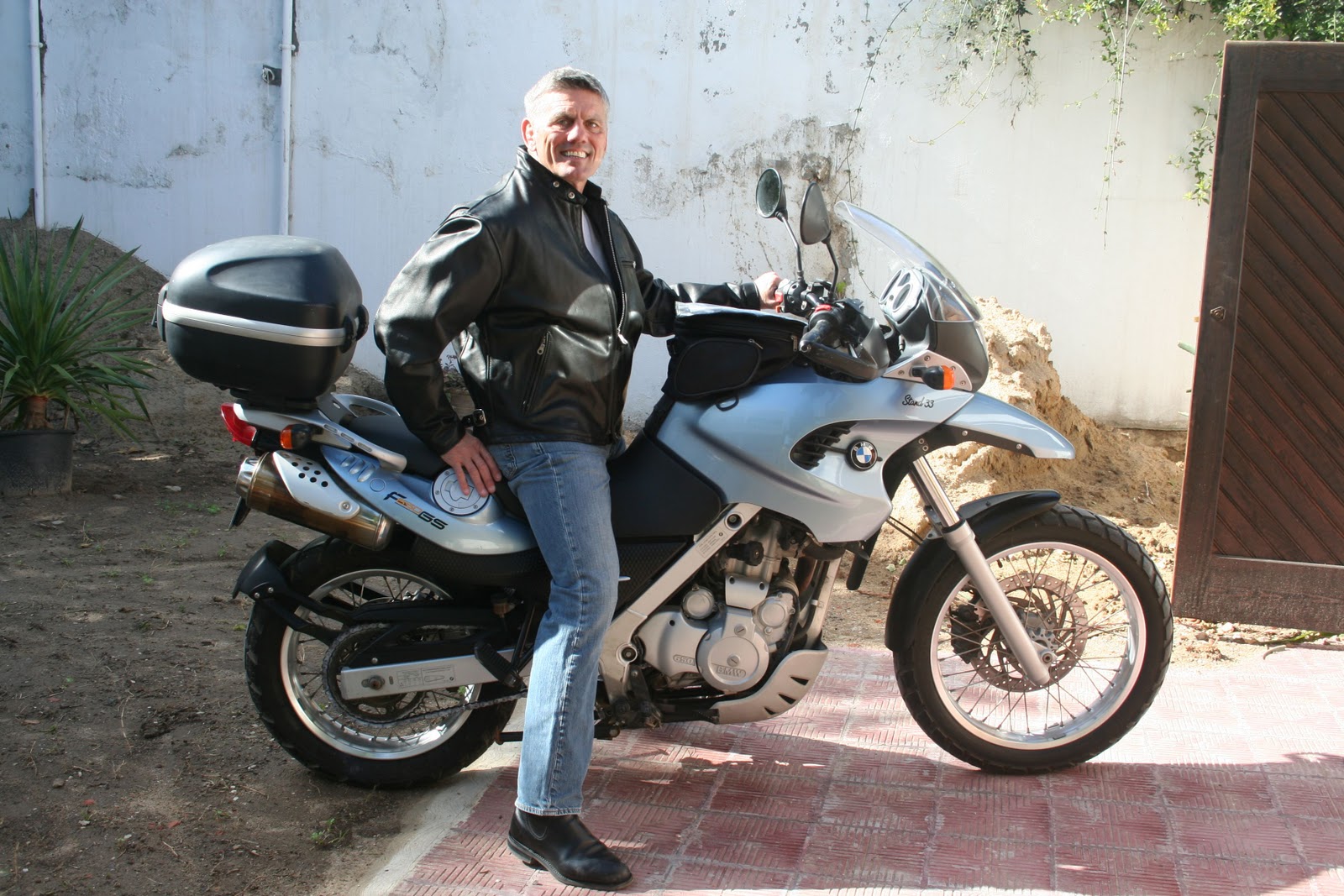
            Allan began the transaction of buying a friend’s motorcycle last October.  He took possession today.   Official paperwork takes some time in Tunisia, but one day, it does come through.  Today was the day.
  If you have followed Allan and his motorcycles over the years, you have seen him ride Yamahas, Hondas,  Harley Davidsons, and most recently in Nepal, a Royal Enfield, built just like the 1950s original, with no springs in the seats.  My spine took some jolts on that bike.  The bike he got today is a sweet 650 BMW, with lovely shock absorbers.  This is going to be a “See Tunisia” motorcycle. 
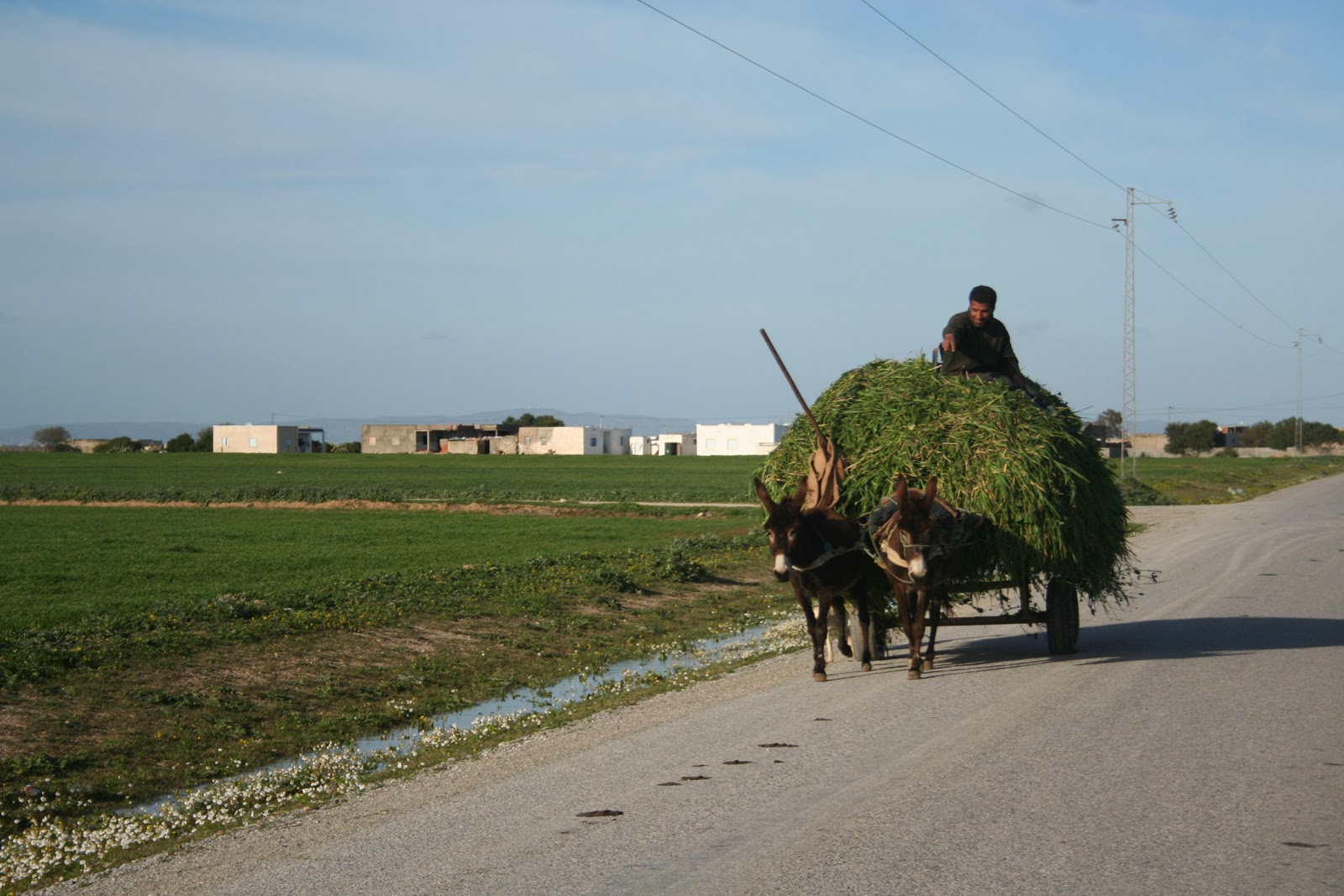
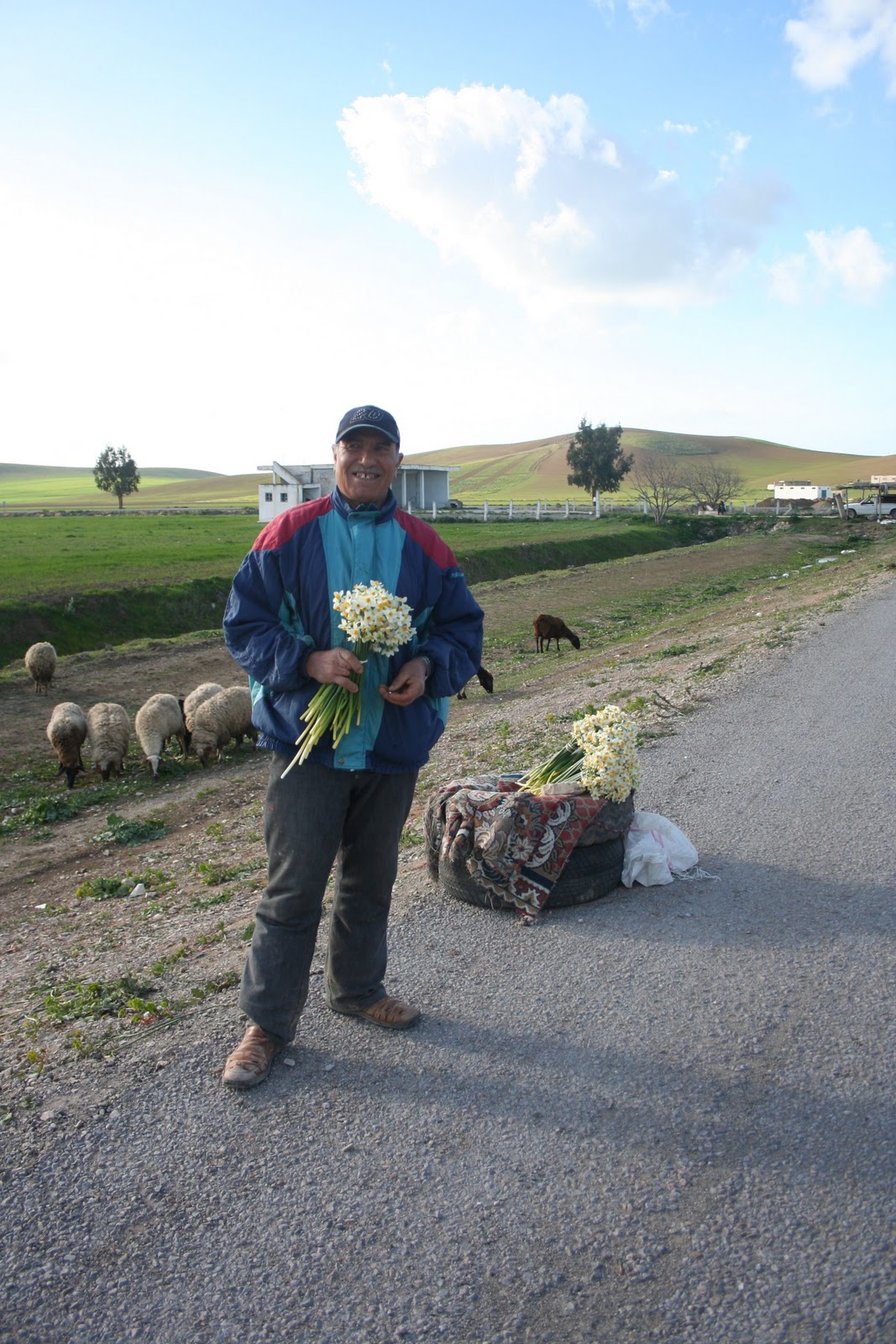
We took an inaugural ride to the archeological site of Utica, about 30 km north of Carthage.  Following some early spring rains this week, the countryside was lush.  Lush was our word in the fifth grade yesterday.  It came up in some context and my Ivorian student asked, “What is lush?”  I tried luxurious, which is also what the dictionary used as a synonym, but he just gave me a “what’s that” look.  I told him we would use it in context so he could get the idea.  A couple of kids used lush in their writing that morning and I interjected it into every context that worked, like the lush fur of a bat.  I should have taken them on a trip to the countryside because it is lush.  Shepherds, in their wool cloaks with pointed hoods, were tending flocks, grazing the neon green grass,  all along the route.  Artichokes and jonquils were the crops of the day and they were being sold from donkey-pulled carts and by children, along the roadside. 
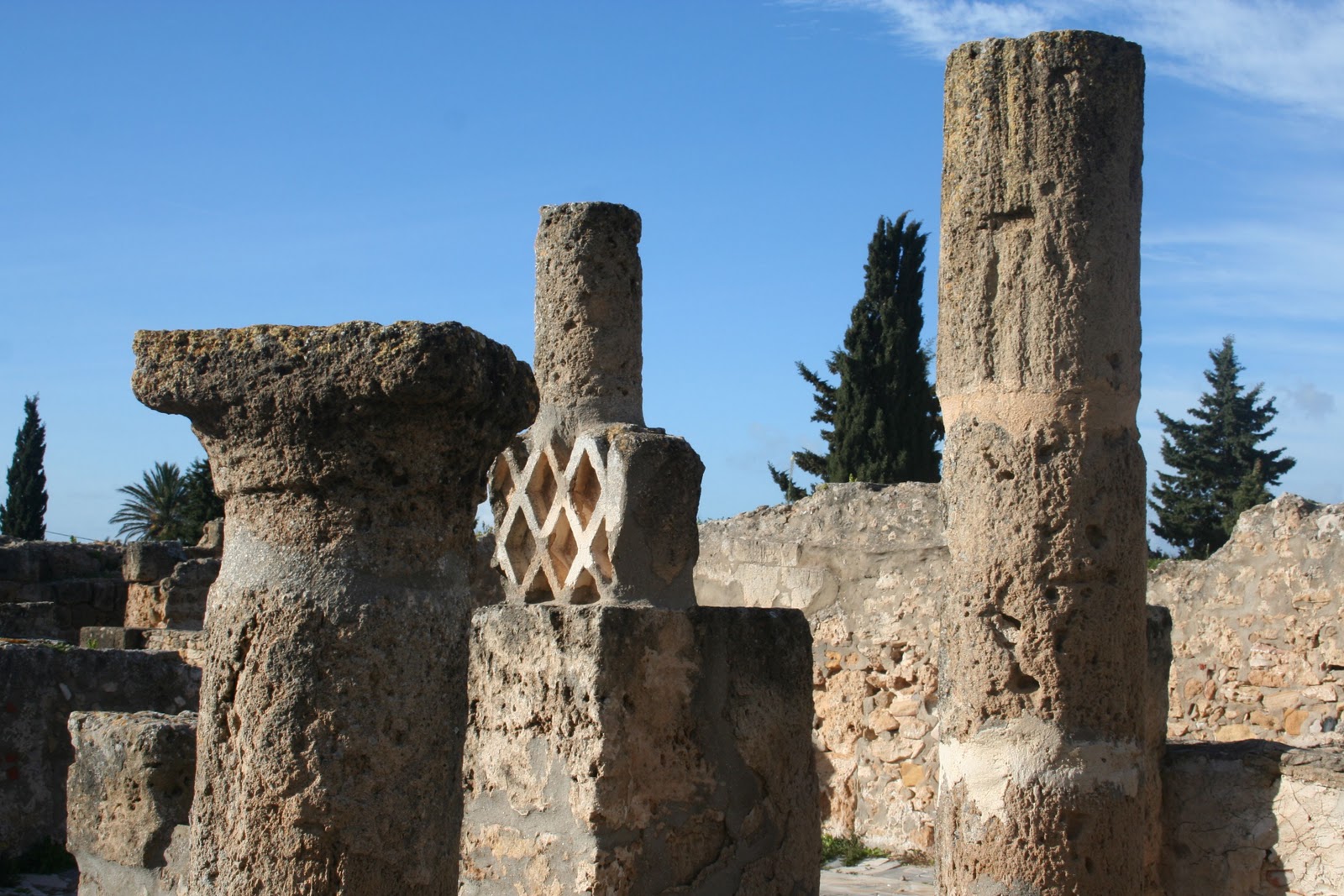
Utica was one of the first Phoenician cities of North Africa.  It became an ally of Carthage during the first two Punic wars, and then scurried to the side of Rome for the third Punic war. As a result, Rome created a new province of Africa, and Utica became its capital.
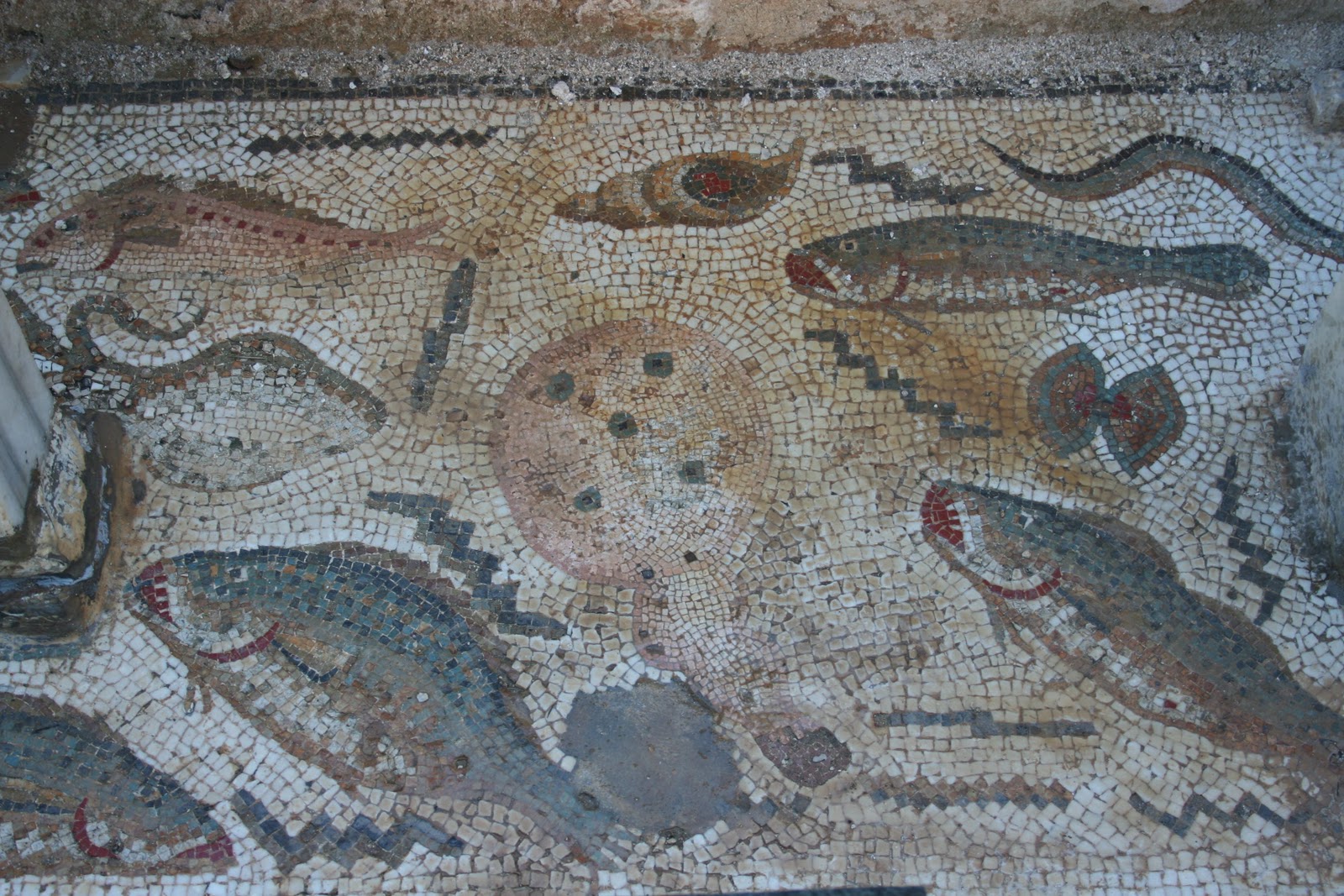
Excavations have uncovered remains from all three periods: Phoenician, Punic, and Roman.  We enjoyed primitive terra-cotta mosaics up through formalized marble Roman mosaics.  But the best sensory experience for me was to enjoy these antiquities in the setting of the olive trees and herbs they have tended at the site.  The caretakers have maintained creative herb gardens with rosemary hedges and scented geraniums, among other herbs.  Our guide plucked off some rose geranium starts for me to take home.  The plants brought the architecture to life and on a late-winter afternoon, it was an inspiring motivator to look toward spring.
These tourist sites are desperate at the moment.  Our guide asked hopefully where we were from, wanting to hear somewhere foreign.  When we told him we live in Carthage, he spilled the truth that they are getting no tourists right now.  We gave him a generous 10 dinar tip for his 30 minutes of guiding, primarily in French, and some more for the entrance employees who watched our bike and helmets for us while we were in the site.  I don’t think it will take so long for tourism to pick up again, but they are going to be off for a little while until it turns around.  I’m sure there will be some great values in Tunisian tourism in the months to come.

Watch this Space

@font-face { font-family: “Cambria”;}p.MsoNormal, li.MsoNormal, div.MsoNormal { margin: 0in 0in 0.0001pt; font-size: 12pt; font-family: “Times New Roman”; }div.Section1 { page: Section1; }

            We’re spring-cleaning in Tunis.  There was definitely some work to be done after the revolution and then some warm afternoons and a couple of glorious weekends have driven people outdoors to take up painting, clipping, and sweeping.  It’s cheerful and it has given us the spring in our steps to take on the final design challenge at our house in Carthage.  We’ve renovated the kitchen and bathrooms, changed out light fixtures, and generally upgraded whatever looked pretty worn out, and through all of this interior work, the yard has devolved further and further into just looking like a vacant lot.  It was actually badly over grown and needed massive removal of plants that were rangy or were much too close together.  There was also an outdated, unuseful concrete pad in one corner and some hodge-podge brick and concrete flower bed edgings that made the yard feel old-fashioned and hemmed in.
            But it had to get even worse before it could get better.  We had the unwanted concrete and brick work removed and hauled away two truck loads of debris, spent plants, prunings, and patches of mismatched grass.  There was a cypress stump, near one wall, with about 15 feet of trunk attached, the tree part long ago dead.  We hired a couple of gardeners to help us on a Saturday and the two of them and finally also Allan chopped, and levered, and kicked, and pulled at that trunk for about two hours before they could even get it to give up a pop.  When it finally came down, the density of the wood was astounding.  You could hardly detect rings.
            So we got what we worked to achieve: a blank slate.  The next step is multiple loads of topsoil to fill in the beds and build some berms.  Things are moving along quickly so we went to a nursery on Sunday and picked out plants.  Going to make a purchase at a store here requires some mental preparation.  Usually, we front-load ourselves with a little French vocabulary that can at least help us point and name what we need.  If the transaction will involve asking questions about products or prices, an agreement has to be made between us and the salesperson about whose mother tongue will be used.  “Parlez-vous anglais?” we ask hopefully. 
“Parlez-vous francais?” he shoots right back, looking a little panicked.
“Un peu,” we confess, motioning about an inch with our fingers.
“Je ne parle pas anglais!” he finalizes.
Oh no, he’s not even going to meet us halfway.  We’re going to have to use our French, though the linguicentrist in me does harbor the belief that there’s English deep down inside of everyone if only they would just allow it to come out.   We did very well with the nurseryman, mostly only needing to ask how much something costs, possibly what color the flower would be, and then telling him how many we wanted to buy.  I never bought more than 10 of any one thing so that was easy.   The salesman was thrilled with our purchases, which may have made him salesman of the month.  He congratulated me with several, “Bien choisi, Madam,” compliments which made me feel… flattered.
Now come all of the decisions about beds, paths, and plant placement.  Here’s what we’re working with.    Do you get any inspiration?  Keep watching for the after pictures.   

Swimming in Citrus

@font-face { font-family: “Cambria”;}p.MsoNormal, li.MsoNormal, div.MsoNormal { margin: 0in 0in 0.0001pt; font-size: 12pt; font-family: “Times New Roman”; }div.Section1 { page: Section1; }

It began as a trickle in late November, the Satsuma oranges one hopes for and associates with the Christmas holidays along with lots of perky lemons.  My neighbor rang the bell one Sunday afternoon, carting around a basket of each to share with all of the school friends who live in Carthage.  She didn’t have to go to the gym that day.  I took what seemed like a piggish amount, partly to lighten her baskets, and we ate them as snacks, squeezed them into salad dressings, and stuffed them into chicken carcasses to roast all through December.  
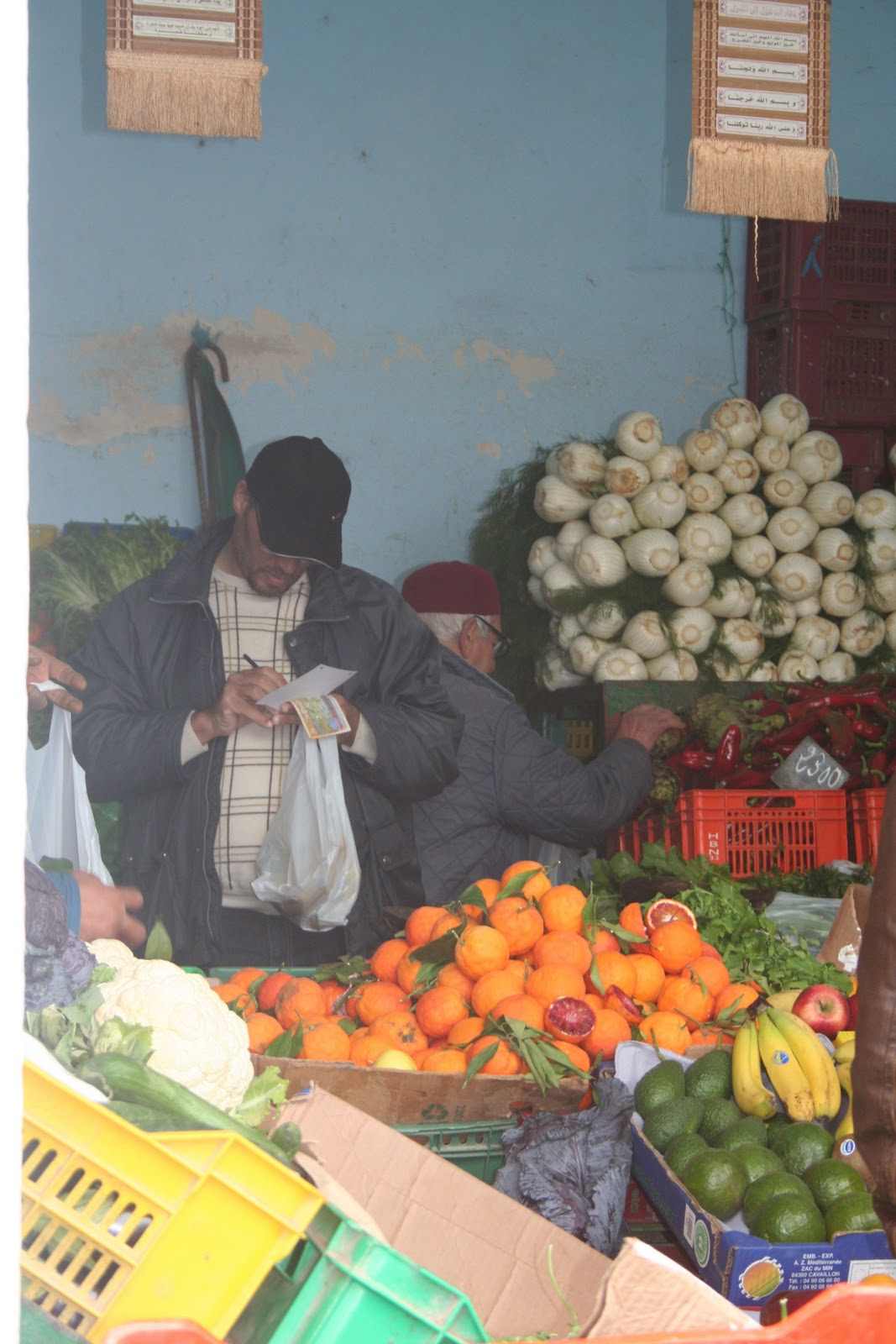
But, upon returning from the winter break, we’ve found ourselves in a citrus avalanche.   The color orange, in particular, dominates every produce stand.  Truck farmers come in for the day with an entire load of just oranges and sit at a street corner by their orange mountain with a scale, hoping to go home with less than they came with.  I can’t imagine who is buying them, besides Allan and me, because every home has a small citrus orchard in the yard.  I can see those yellow and orange balls everywhere I turn. And the long-suffering truth about citrus trees is that they put on blossoms while they are still bearing last year’s fruit.  As a woman who gave birth to two sons, fairly close together, (two years and 4 days), that thought makes me groan.
We’re past the point of peeling and eating.  We bought a slick juicer and our morning ritual is to juice up about 16 oz. of whatever combination we have at hand.  We have grapefruits, tangerines, blood and navel oranges, and then, the mystery citrus.  At first I thought it was a miniature lemon, like a Satsuma orange.  But our produce vendor, who just had a few, told me, “Bergamot orange, Madame,” (you have to say “ber gay mote, oh-ronge” to get the proper effect).  When I finally tasted one, I knew immediately what it was: the haunting flavor in Earl Gray tea.  I never knew where that essence came from. It’s from a dwarf variety of the Seville orange tree (I researched that).
So there is the metaphor behind my blog title.  It’s the surprising essence, discovered, appreciated, and then gone.  There was a pile of citrus on the bench beside me as I was writing and I thought, why not?

Color is Back in our World

Even though scenes of destruction in Tunisia have come to television screens around the world recently, this is actually an excellent time to dedicate writing to the vibrancy and determined growth that are part of the energy of this country.  I have chosen to focus on the rhythmic joys of the changing seasons here, but nothing marks those changes more clearly than the evolving scenes at the produce stands.  Every few weeks it is like a set change.  Certain fruits and vegetables we were just working into our cooking are gone, replaced by many new interesting subjects.  I have never lived anywhere that truly subsists on its local production like this country does.  After all, it was the breadbasket of the Roman Empire and farming goes way back in their genealogy.  Still I continue to be surprised by it.  The wine is local, so is the cheese, the olives, the wheat and it turns out…everything.  When we go to a restaurant, they are using the same ingredients that are available to me in the market and nothing more.  We had turnips available in January and I used them in a way or two at home and then we were having lunch at a restaurant and they brought out a dish of house-made pickled turnips as an appetizer and I exclaimed, “Oh, look how they’ve used the turnips!”
Our spoon-feeding from the local farms suddenly dried up for more than a week during the revolution.  There was nothing to buy and nowhere to buy it.  It was a consciousness raising experience to suddenly realize that what you have in the fridge at this moment may be all you have for some period of time.  Friends and neighbors began to share what they had in stock.  Our neighbors gave us a head of garlic and some lemons from their trees.  Someone else found us some eggs.  We cooked strategically and wasted nothing.  Even after the military took over the city, shops remained shuttered for many days and I thought that this could be the reason that might cause us to evacuate after all.  And then, as if cued, and I think they were, the trucks began to come in.  Only now, because many of the large supermarkets had been burned and looted, farmers supplied the produce shops dotted all over the neighborhoods and set up their own truck stands on street corners.  It was like color reentered our worlds.  It really was moving to me to think about the farmers in the countryside who continued to farm and keep the food supply in order while their countrymen were protesting, and then waited for permission to bring it in and provide relief.  It reminded me of the time in Tunisia’s history when foreign armies were using their country as a battleground.  World War II has a major chapter that took place here and the foreign cemeteries dotted all over the country are reminders of the young men who came to this gentle place and lost their lives.  We were given a book last fall, written by Lillian Craig Harris, called Cemeteries and Memories, The Second World War in Tunisia. A paragraph from her preface came to mind for me at this time.
“I dedicate this book to the Tunisian farmers who, motivated by the basic need to feed their families, bravely drove their mules before the plough in the spring of 1943 as battles raged around them.”
            Being from a farm, I find enormous dignity and intelligence in the growing of food and I am certain that while I will have many memorable experiences in Tunisia, I won’t have enough seasons to exhaust my interest in this country’s food.