Dried Chili Salsa

Chilies

Salsa

There are things about living in Tunisia that remind me of growing up in the Southwest.  One of those is chilies on a string.  Just south of Tunis is Cap Bon, well known for producing fiery hot chilies that are ground into Tunisian harissa.  Truck farmers will park around town, in the fall, and sell long strings of leathery dried chilies on a rope.  I bought one for the first time this year and it has been wonderful to have a constant supply of chilies ready at a snip in the kitchen.  Bon Appetit had this recipe for Dried Chile Salsa in February and it was just what I needed to make ready use of my chilies for a hot, cooked salsa or an enchilada sauce.  I am thinking of blending up the rest of my chilies before I go home and putting them in my chest freezer for instant use when we get back in August.

Dried Chile Salsa

Ingredients

  • 12 dried New Mexico or guajillo chiles (about 2 ounces)
  • 4 garlic cloves, unpeeled
  • 1 tablespoon (or more) apple cider vinegar
  • Kosher salt

Preparation

  • Toast chiles in a large heavy skillet over medium heat until slightly puffed and lightly darkened on both sides, about 2 minutes. Remove from pan; let cool. Add garlic to same skillet; cook, turning often, until skins brown in spots and cloves are soft, 10-15 minutes. Remove from pan. Let cool; peel.
  • Stem chiles and halve lengthwise; discard seeds. Cut into pieces; transfer to a medium bowl. Cover with boiling water; let soak, mixing often, until softened, 25-30 minutes.
  • Drain chiles, reserving soaking liquid. Transfer chiles, garlic, 1/2 cup soaking liquid, and 1 tablespoon vinegar to blender. Purée, adding soaking liquid as needed, until a smooth, thick sauce forms. Season with salt and more vinegar, if desired. DO AHEAD: Salsa can be made 1 week ahead. Cover; chill

I add about 4 ounces of tomato paste to give the salsa some body and to temper the heat.

A Proper Goodbye

I come from a family of terrible leavers.  My parents and later, adult siblings, might come for a visit and then on day 2 or 3, we would wake up to just find them gone, long down the road before we were even up.  When I left Durango at 18 and started moving around as a young adult, I carried along some of these patterns.  I think back to boyfriends, college roommates, and neighbors who were pretty significant in my life at a particular time, but I just moved away from without much of a goodbye.

I am pondering why just slipping away felt like what I wanted to do.  I have chided myself before for being self-centered, insular, but I’m not sure that is the heart of it.  I am actually a slightly shy person, so the confrontation and intimacy of goodbyes raises my anxiety a little.  I think, too, that I didn’t believe that I was that significant to these people to warrant a formal parting.  I possibly assumed they would wonder what I was going on about if I made a little farewell speech to them about their importance to me.

While we were working at Singapore  American School, Anton, then only 10,  and I had the opportunity to take a workshop on how to leave well that changed my life.  The presenter, who is famous in international circles, was David Pollock, author of the book Third Culture Kids: Growing Up Among Worlds.    If you are unfamiliar with the term “third culture kids”, Dr. Pollock developed this description:

A Third Culture Kid (TCK) is a person who has spent a significant part of his or her developmental years outside the parents’ culture. The TCK frequently builds relationships to all of the cultures, while not having full ownership in any. Although elements from each culture may be assimilated into the TCK’s life experience, the sense of belonging is in relationship to others of similar background.

The workshop that day was designed to help children, who are living in a different culture and possibly move frequently, have a strategy for parting.  He called it building a RAFT, which is an acronym for the steps one should go through.  Here is how you build your RAFT for saying goodbye:

Reconciliation- Don’t leave relationships loose-ended.  Say what you need to say to people so you can both go peacefully and not try to avoid one another the rest of your lives.  People who move frequently can delude themselves into thinking they can just leave awkward relationships behind, but they end up taking that emotional baggage with them, which could even affect their abilities to form significant relationships in their next locations.

Affirmation- Tell people that they have been important to you, that you have appreciated the time you have had together, and that you will miss them.  There are two sides to a parting.  There is the one leaving and the one being left behind.  Both sides of the relationship need to know that they have been of significance to the other.

Farewells-  Touch base with all of your favorite places and people, knowing it is your last time.  The final weeks or days before a move can get so hectic with goodbye parties, but you must also fit in time to go to your favorite beach, take that walk you have loved, or eat at a favorite restaurant one final time.

Think about your next move- You have to get excited about where you’re heading toward or you won’t have the momentum to take you there.  Think about ways you can change your life for the better with this move.  Cast off commitments and possessions that aren’t making your life better and only take along what you love and need.  Get excited about all of the new possibilities this move will present.

Getting this strategy has helped me become much better at goodbyes.  I have made this a ritual and I don’t wait until I am entirely leaving a place to practice it.  If someone I work with is moving to another grade level and we won’t be working as a team anymore, I tell him how much I have appreciated our working relationship and friendship and how I hope it will continue.  When I leave the US in the summer, I try to leave behind a string of affirmed relationships, making sure people know that I do miss them and think of them when I’m gone.  I also make a point of noting or experiencing favorite places, restaurants, and events.  One of the most poignant observances for us is the bi-weekly transit of the Alaska-bound ferry, passing right in front of our house as it motors toward the Strait of Georgia.  We count down the ferry passings until it is finally the last one of the summer….

I am trying to help my sons be better at leaving than I was at their ages.  Gabe left Bellingham is a big hurry in December.  He needed time and space to do some thinking about what he wanted to do next, but he left a few unresolved conversations with people.  Some people were really hurt that he didn’t say goodbye or let them know he had changed plans they had together.  He got a couple of scoldings on Facebook and his brother had to make some explanations for him.  He will need to reaffirm those relationships and rebuild a couple of bridges when he gets back and I know he will do that.  He is leaving Tunis on Tuesday and even though he has just been here for 5 months, he has circles of people who love him and need to know he will miss them and that they have been important to him.  One of those groups is his assorted school chums from Habib Bourguiba Arabic school.  If you have ever wondered who goes to study Arabic in a place like Tunis and why, well here they are.  They are just other parents’ children from many different countries who are continuing with some Arabic they began in high school, perhaps have a parent from the Middle East, or see speaking Arabic as a valuable skill to their futures.  The common language amongst them is second quarter Arabic, a limited vocabulary base, for sure.  What is lovely about this group of unlikely friends is that they have stretched themselves to employ any and all language commonalities in order to communicate.  Listening to Gabe on a phone call with one of them is a melange of simple Arabic, a little Italian or Korean, a smattering of French, and some English slang.  They are buds and they will miss Gabe terribly.  He will miss them, too.

Arabic Class Enhanced

Mother Guilt

Apples 4

The term “mother guilt”  is usually associated with a mother, like the character Mom on A Prairie Home Companion, who intentionally puts a few twists on the screw of her child’s heart for the gratification of receiving, albeit grudgingly, affirmation of his love or confirmation of a visit.  I think I am talking about the reverse of that, though.  I am talking about the almost unbearable sweetness of a child who recognizes a dream of a parent and makes an effort to connect with her about it.  Whether because it has become a shared passion or just because the child knows it is significant, the connection is dear.

Ten years ago, our family bought a small farm on Lummi Island.  Our West Shore homestead came with a simple farmer’s house, 5 acres of hay, some outbuildings, and several old fruit trees.  The one pictured below is part of our family.  At least 50 years old and perhaps another half that much, this tree nearly kills itself each summer producing loads of tart, green,  softball-sized fruit.

Apple Tree

When we renovated the farm house, I considered this tree in all seasons, and created a baking counter with casement windows that could swing wide open and practically bring the tree indoors.  In summer, deer come by in the afternoons to eat the groundfall apples and nap in the shade, I think listening to classical music from the CBC, while I am cooking.
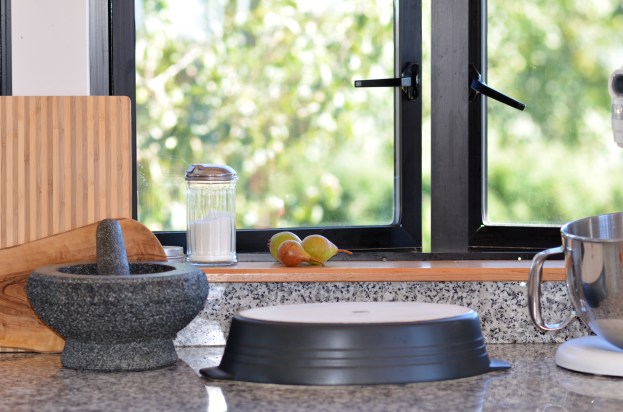
Baking Counter

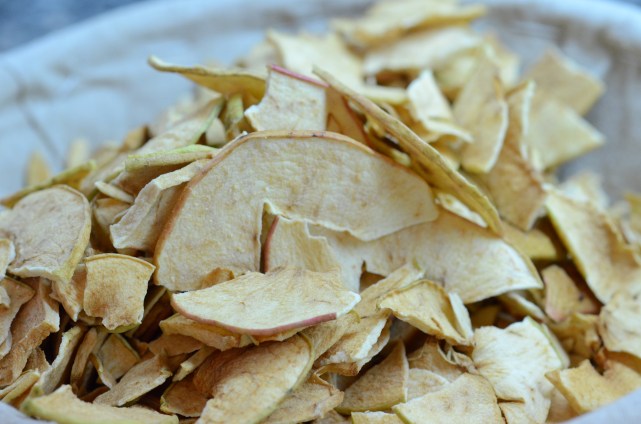
We have only been able to live the life we envision on this farm in snippets because we work overseas and can only be there for six weeks in the summer and possibly a couple more in the winter.  Our oldest son, though, went to university in the nearby city and has been able to live on the island or commute there on weekends for several years, now.  Even though this place can be a challenge to maintain sometimes, he loves what we love about it and has begun living the life we would live which includes growing our own food and preserving it.  I bought a heavy-duty dehydrator a few years ago and in the fall,  Gabel painstakingly cuts the apples into slivers and sees them through the drying process.  Then what does he do with the bags and bags of dried apples?  Like a cat who has proudly pounced upon a mouse, he brings them to me, all of them.

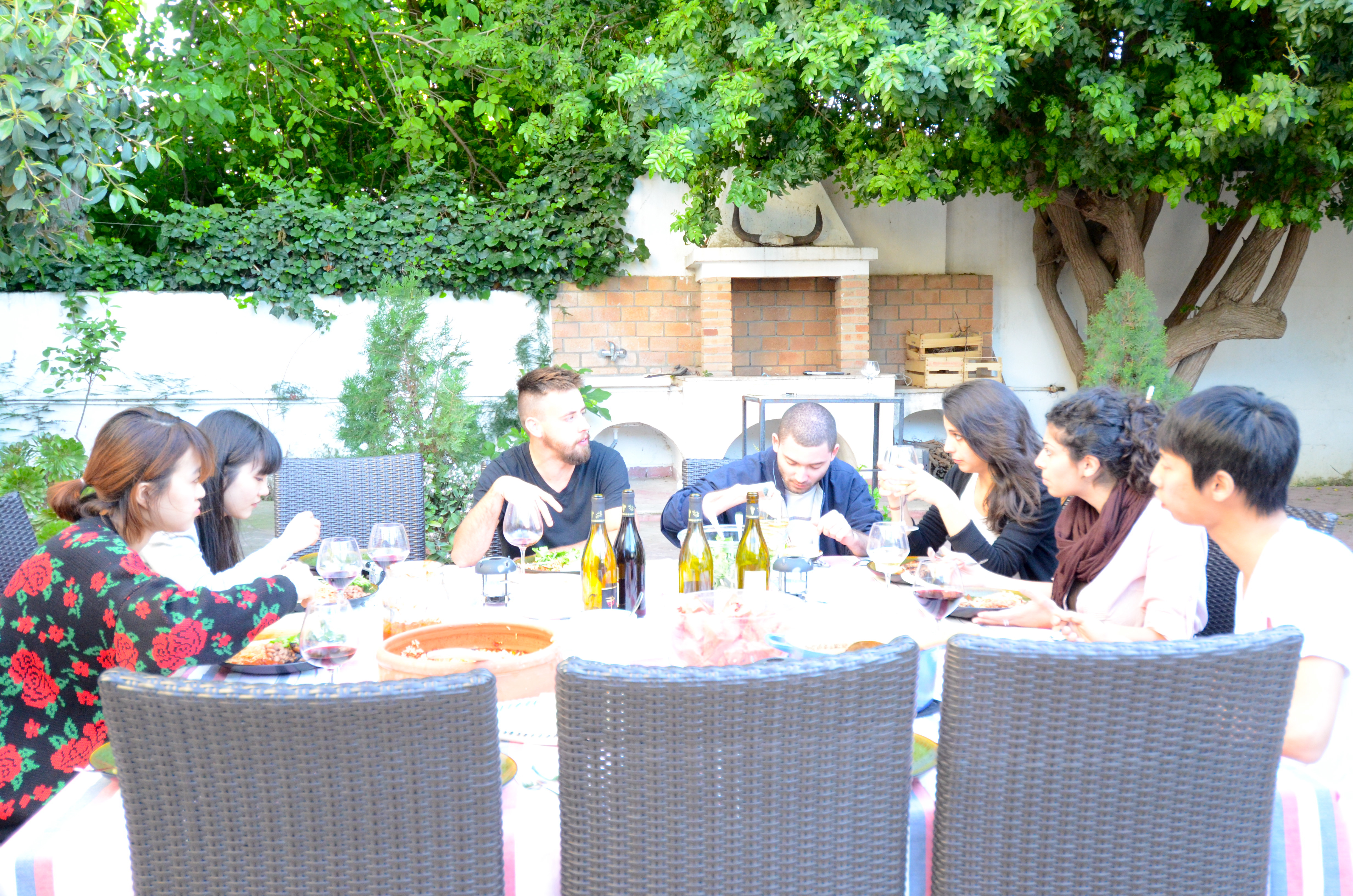
When the boys came to Tunis for Christmas, their backpacks were a hit and miss of items we had put on our wish list for them to bring, but Gabe did put in eight small packets of his freshly dried apple crop.  I have been saving them here in the freezer, but now Gabe is heading back this week.  He has finished what he has been pursuing here in Tunis and is ready to get a jump on a summer job, register for summer school, and get our farm back in shape.  We’re having some of the friends he has made through his Arabic school over for a dinner of his favorite foods, tomorrow.  We will have pinto beans, Mexican rice, dried chile salsa, goat cheese tamales, and a cake, featuring his hand-dried apples.  Imagine, feeding his friends, from several different countries, cake, made with the fruit from the heart of our home?  These are heavy apples, indeed.

Dried-Apple Cake

(Adapted from Smitten Kitchen, Carrot Cake with Maple Cream Cheese Frosting)

2 cups all purpose flour
2 teaspoons baking soda
1 teaspoon salt
2 teaspoons ground cinnamon
1/2 teaspoon ground nutmeg
1 teaspoon ground ginger
2 cups sugar
1 1/4 cups canola oil (If you possibly can, use extra-virgin olive oil instead.)
4 large eggs
3 cups reconstituted dried apples
1 cups coarsely chopped nuts (I used toasted hazelnuts, also a NW specialty)
1/2 cup golden raisins

Preheat oven to 350°F.

Butter two 9-inch-diameter cake pans. Line bottom of pans with baking paper. Butter and flour paper; tap out excess flour.

Whisk flour, baking soda, salt, cinnamon, nutmeg and ginger in medium bowl to blend. Whisk sugar and oil in large bowl until well blended. Whisk in eggs 1 at a time. Add flour mixture and stir until blended. Stir in apples, nuts and raisins.

Divide the batter between the prepared pans, and bake the layers for about 40 minutes each, or until a tester inserted into center comes out clean. Cool cakes in pans 15 minutes. Turn out onto racks. Peel off baking paper; cool cakes completely.

Maple Cream Cheese Frosting

Two (8-ounce) packages cream cheese, softened
1 stick unsalted butter, room temperature
2 cups confectioners’ sugar
1/4 cup pure maple syrup

In a stand mixer beat all the ingredients on medium until fluffy. Chill the frosting for 10 to 20 minutes, until it has set up enough to spread smoothly.

To assemble, frost the top of one cake, place the other cake on top. Frost the sides and top, swirling decoratively. Refrigerate the cake for 30 minutes to set up frosting.

House Rule:

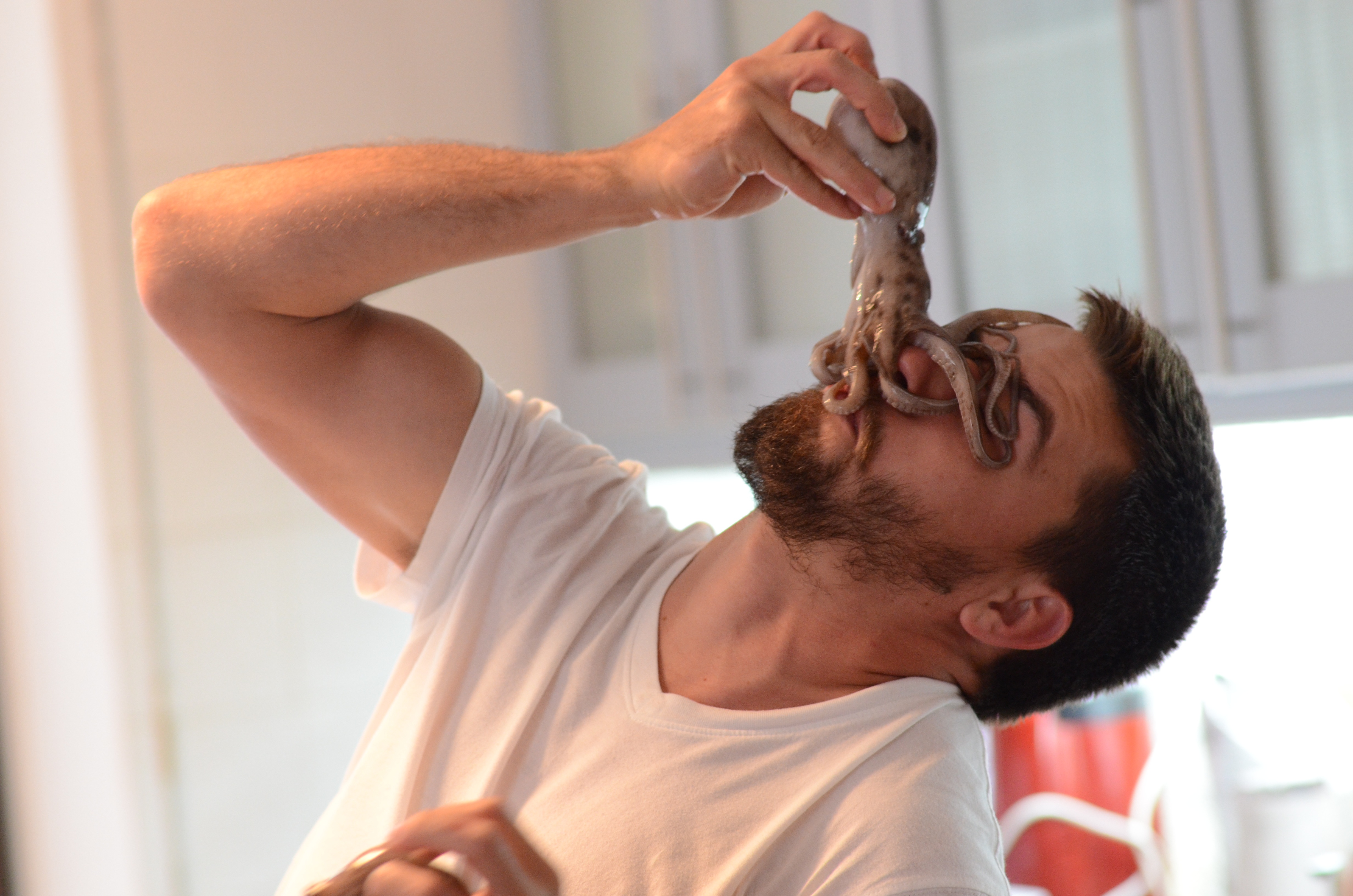
He who brings home challenging seafood must figure out how to cook it.

Octopus Face

This happens.  I send one of my men to the market to get some simple white fish and he comes back with bloody hunks of saw-cut tuna, or I send one for some easy squid and he comes back with octopus.  Honestly, I have been meaning to commit myself to octopus in a big way.  The local fishermen at the Punic Ports, on my corner, have intriguing clay pots on a rope they use to trap and draw them in.  I saw a menu item in Croatia for a clay-pot braised octopus and I am so going to make that.  Do you know what puts me off?  The beak.  Octopuses have beaks and you have to clean them from the flesh.  Ew.  Here is what you do, though.  Cut the legs from the head, right below the eyes.  The beak will still be attached to the leg portion, so push that out.  Flip the hood assembly inside out and gut it.  Then, skin the outer membrane from the outside of the hood.  Rinse it all under fresh water, and flip the guts out on the sidewalk for the neighborhood cats.  While you do all of this cleaning, put a pot of salted water to boil.  When it reaches a boil, dip the octopus pieces in three times each to blanch them.  The muscles will tighten and curl.  Put all of the octopus in the boiling water, reduce the heat to a mere simmer and cook for 45-60 minutes or until it is tender.  Now, you can do what you want with it.  We dipped the braised octopus in egg, then Panko, and pan fried them.

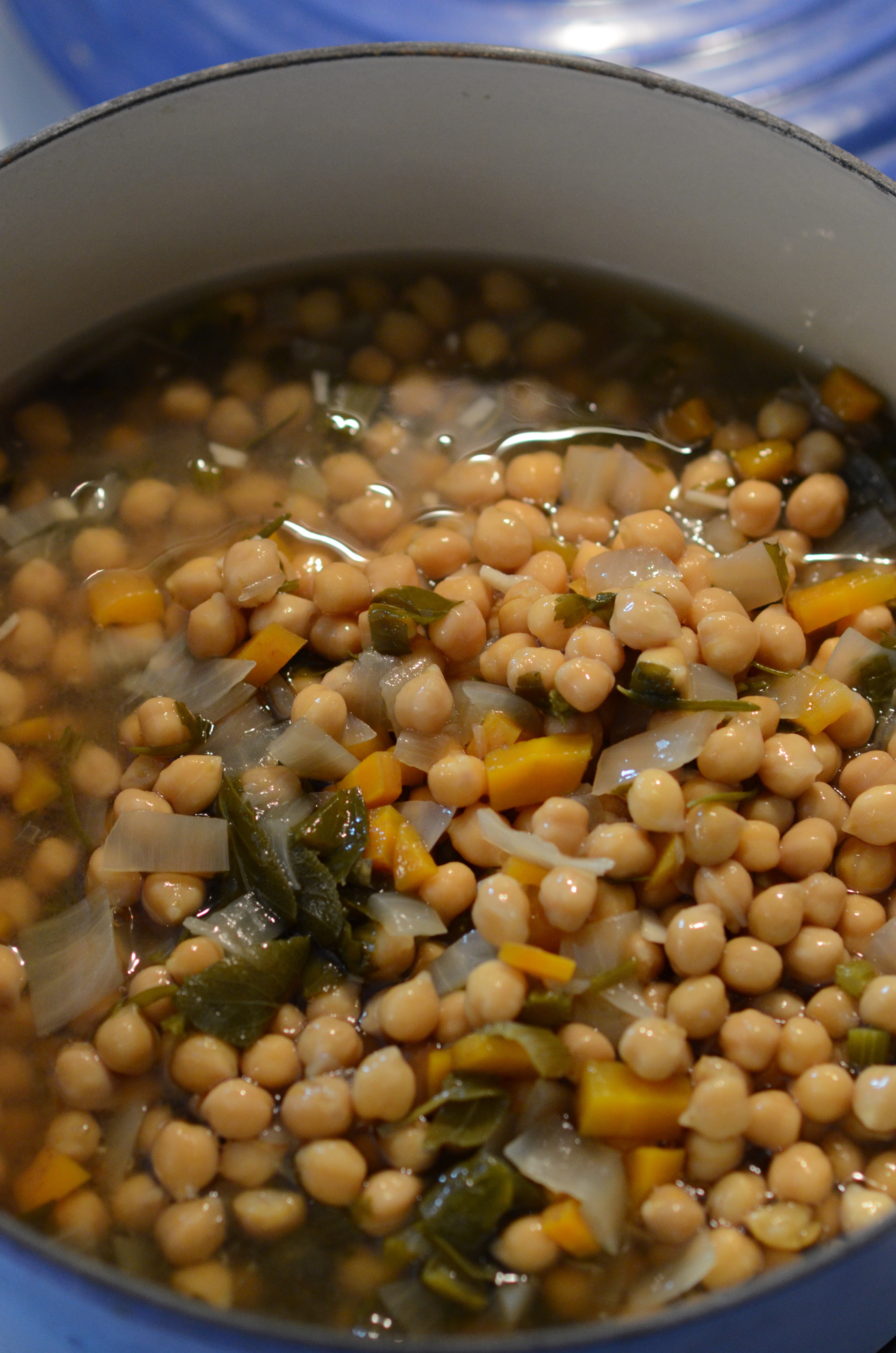
For my part, I made a pretty, pretty chickpea soup.  The truth is that I was watching the ABC interview of Amanda Knox yesterday on the Internet and it made me ravenously hungry for the best chickpea soup of my life which was from a tiny restaurant in Perugia.  Perugia is the Amanda Knox connection.  I connected to the tragic Amanda Knox story on many levels and I am a little embarrassed to admit that hunger was one of them.

I was home yesterday, prepping for today, so I first soaked my chickpeas by pouring boiling water over them and letting them soak for 2 hours.  I drained the peas, then, returning them to the pot, and added two chopped onions, 2-3 chopped carrots, 2-3 chopped celery stalks, with leaves, 2-3 cloves of garlic, a large sprig or two of sage and rosemary, and a couple of bay leaves.  I cooked this for a couple more hours, until the beans were a little al dente, then cooled it and refrigerated it over night.  The next day, the peas were completely infused with the scents of the vegetables and herbs.  I sauted some pancetta and 1 tablespoon of tomato paste and pureed the pancetta, tomato paste, and 3/4 of the peas in a food processor.  Then, I returned the peas to the pot to heat.  To serve, I topped it with some pan-fried pancetta and sage leaves.

Chickpeas

Substitutions Encouraged

I am on a “use it up” theme these days, but honestly, this way of cooking is what makes me the most satisfied, in general.  I really get a thrill out of surveying what I have in the freezer, pantry, and refrigerator and then putting together something, hopefully, wonderful without making a run to the store or market.

Today is Tunisian Labor Day so I’ve got a little time at home, mid-week.  I am pulling long-horded foods out to the kitchen island so they are in my working notice.  I’ve still got several artistic pastas from two trips to Italy in the past 5 months, and I’ve got this vaccuum-packed wild, smoked salmon filet that was backpack transported by my sons, at Christmas.

Salmon

Thinking of a preparation, I could mentally taste a light white sauce.  I didn’t want something as heavy as true bechamel sauce and nothing overly cheesy.  I think this combination could turn into tuna noodle casserole if I’m not careful.  My go-to Italian cookbook, Made in Italy Food and Stories, by Georgio Locatelli has a white sauce for fish and pasta.  It is made with warm milk, not cream, and thickened with pureed potatoes instead of roux.

Riced Potatoes

At the end, you drop in cubes of a premade and chilled greens/butter.  He is recommending basil, but you can vary the greens depending on the meat or main vegetable you choose to use.  How about mustard butter with beef or swiss chard butter with chicken?  This is the beauty of this dish:  any pasta + any main meat or vegetable + any greens/butter will = a great, light(ish) pasta dish.

Chipped Herbs

Cubed Butter w:Herbs

Herb Butter

Ingredients

  • 2 large bunches of basil or any combination of greens
  • 100g unsalted butter, softened
  • 2 large or 3 medium  potatoes, peeled
  • 500 ml milk
  • 200g meat or main vegetable
  • 500g pasta
  • Salt and pepper

Put the greens in a food processor and chip them, then add the butter and process to a bright green paste.  Spoon into a container and leave in the fridge until you need it.

Put the whole peeled potatoes in a pan of cold salted water.  Bring to the boil, then turn down the heat to a simmer and cook until soft.

When the potatoes are nearly cooked, warm up the milk in a pan.  Don’t let it boil; just heat it through, so that it won’t bring down the temperature of the potatoes when you add it to them.

When potatoes are cool enough to handle, but while still hot, put through a fine sieve.  Add the milk and season.  Keep in a warm place.

Meanwhile, cook the main meat or vegetable using your preferred method.  You could pan fry, grill, bake or saute.

Cook the pasta until al dente.

Put the potato puree back on the heat and whisk in the greens butter by spoonsful.  Finally,  season with salt and pepper.

Toss the pasta into the sauce to coat.

Serve the pasta, topped with the meat or main vegetable.  Finely grate parmigiano reggiano to taste.

For Northwesterners, the wood-smokey salmon, combined with the potato-cream sauce, was reminiscent of salmon chowder, but more refined.  It was a nice touch of home for a rainy day off in Tunis.


Pack-Out Pancakes

DSC_3537
Shutter: 1/80, Aperture: f/4.0

I am starting to feel that lightness of a life sea-change around the corner.  We’ve had an interesting year with many unexpected events.  We have done good, hard work, tried our best, made some mistakes, had some triumphs.  Then, paralleling all of this life going on, I have been working on an additional teaching certification in educational technology and information literacy for the past year and a half.  I just put the wrap on my final project for that sequence last week and I am beginning to let myself dream a little about how I might like to use some of my time that will be freed up.  I know I want to cook and write a lot.  I want to make huge growth in my photography skills.  I also want to get some music back in my life.    I’m breathing a little deeply, including the exhales.

I won’t start making any concrete plans.  Right now, I want to click through these last 6 weeks of school like a pro.  Each sector of life has its own checklist to be completed, and using up our food in the freezer and pantry is the thing I can get to right now.  The cover of Bon Appetit this month shows a stack of pancakes.  That seemed a little odd to me for the May cover.  I anticipated something a little springier, like asparagus.  I haven’t paid much attention to pancakes since the late 1970s when a few hippy cafes started making whole wheat pancakes.  After our kids were past preschool age and especially after we moved to Asia, pancakes seemed too heavy and sweet as a regular choice and there just wasn’t enough food in them to justify all of those calories.  But BA added an intriguing caption to the cover photo.  It said, “Pancakes worth flying for from our No. 1 hotel.”  When I checked the recipe to see what set these cakes apart, I was impressed that they were  loaded with a variety of whole grains and they could clearly be adapted in almost infinite ways.  I will reprint the recipe here as BA wrote it, but I substituted petite oatmeal for the oat flour, semolina for the cornmeal, and barley flour for the brown rice flour.  I also had a couple of packs of dehydrated blueberries from Trader Joe’s and it was time to use those, too.  This was an intense looking pancake as the berries turned them a dark color and the semolina gave them a subtle crunchy coating.  We liked them.  They were tender on the inside, had lots of texture and flavor, and motored me through a busy school morning which is the real test.

Blackberry Farm Griddle Cakes

Reprinted from Bon Appetit, May 2013

  • 1 large egg
  • 2 cups buttermilk
  • 1/4 cup pure maple syrup
  • 1 cup gluten-free oat flour
  • 2/3 cup yellow cornmeal
  • 1/3 cup brown rice flour
  • 1/4 cup buckwheat flour
  • 1 Tbsp. baking powder
  • 1 tsp. baking soda
  • 1 tsp. kosher salt
  • 1/4 cup (2/3 stick) unsalted butter, melted
  • Vegetable oil (for skillet)

6 Servings

Fast-track this recipe by tripling the dry ingredients and storing them in a jar.  At breakfast time, scoop out 2 1/4 cups.  All the other measurements stay the same.  Alternatively, cook off a double or triple batch and then freeze them, individually, for a quick microwave breakfast.

Whisk egg, buttermilk, and maple syrup in a small bowl.  Whisk oat flour, cornmeal, rice flour, buckwheat flour, baking powder, baking soda, and salt in a large bowl.

Whisk buttermilk mixture into dry ingredients, then whisk in butter until no lumps remain.

Heat a large nonstick or cast-iron skillet over medium heat; lightly brush with oil.  Working in batches, pour batter by 1/4-cupfuls into skillet.  Cook until bottoms are browned and bubbles form on top of griddle cakes, about 3 minutes.  Flip and cook until griddle cakes are cooked through, about 2 minutes longer.

Barely Sweet

If you read my blog astutely, not that I expect you to, but you may have noticed that I posted Allan and I went on a trip to Slovenia and Croatia.  Now, I had every intention of giving day by day coverage of our discoveries, but I forgot the charger for my camera and I burned out the battery on day 2.  Without photos, let’s face it you don’t have much of a blog.  I took some pictures with Allan’s phone and I may dribble those out over time, but I missed the big photo op.

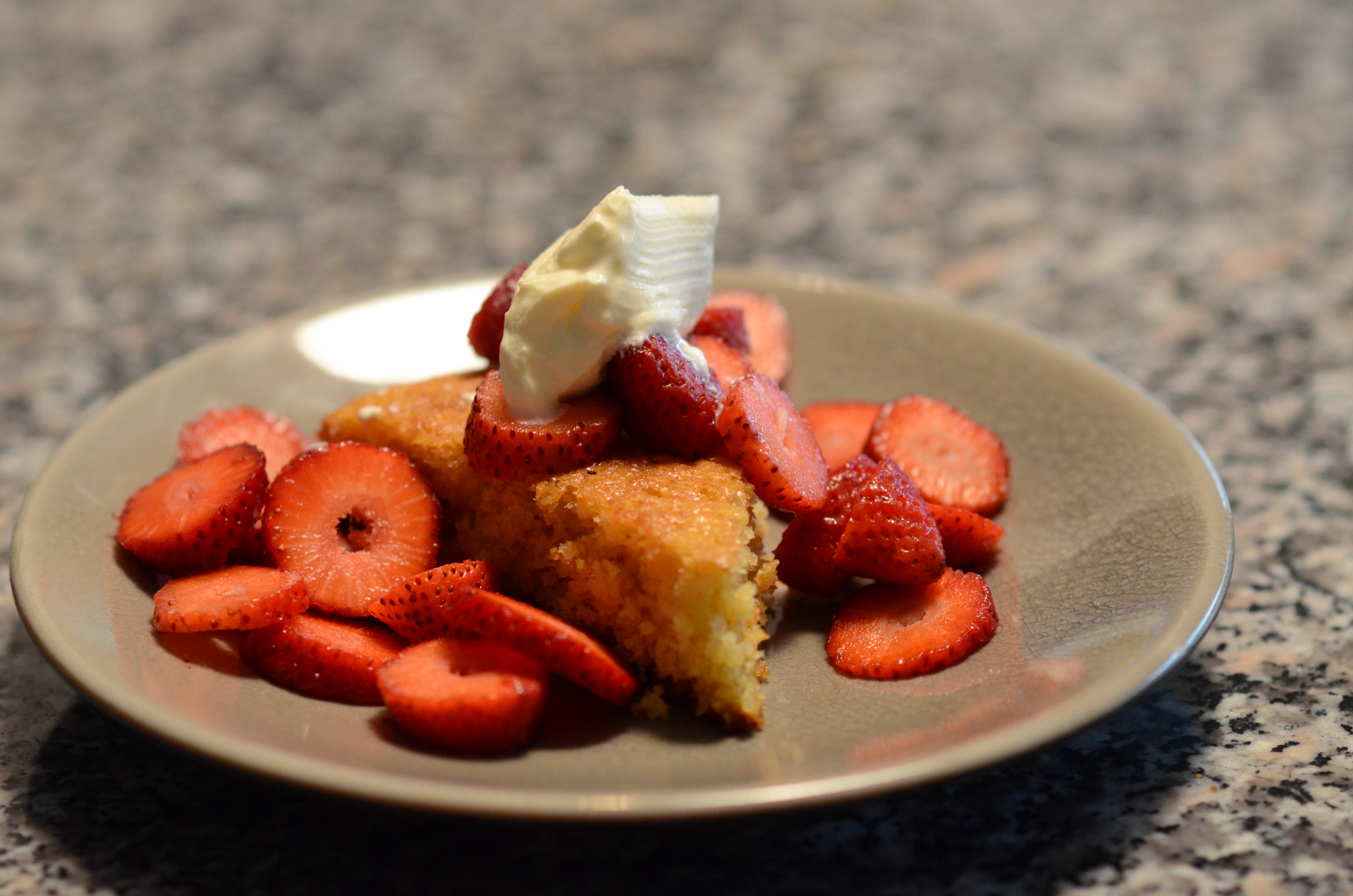
But maybe it’s better this way.  Maybe Slovenia and Croatia just became part of me and I will reveal how they changed me through small revelations.  That is actually true, and I noticed that tonight.  I always have a quart of strawberries in my fridge these days because they are so beautiful and abundant in Tunisia, right now.  We don’t eat much dessert at our house, but the weather has turned chilly again, and the sea is stormy, and Allan and I aren’t feeling our best, so our son made a gorgeous chicken soup with homemade dumplings for dinner.  I decided I could at least contribute a little cake to have with our strawberries.  I saw a recipe today for a cornmeal cake, which I hoped would be like just about every dessert we had on our trip:  barely sweet.  The desserts were heavily fruit laden, think strudel,  with just a hint of sweetness.  I commented several times that the dessert could almost be a side dish.  This cornmeal cake has that very touch of sweetness and a really nice corn crunchiness (I used a coarsely ground cornmeal), while being fork tender at the center.  It was just what I wanted to have.

DSC_3480
Shutter: 1/60, Aperture: f/2.8

Cornmeal Cake with Strawberries

From Fresh From the Farmers’ Market by Janet Fletcher

  • Unsalted butter and cornmeal for preparing the pan
  • 1 1/4 cups sifted cake flour
  • 6 tablespoons yellow cornmeal
  • 2 teaspoons baking powder
  • 1/4 teaspoon salt
  • 1/2 cup unsalted butter, at room temperature
  • 1 cup sugar
  • 2 large eggs
  • 1 teaspoon grated lemon zest
  • 1/2 cup milk
  • 1 teaspoon vanilla extract
  1. Preheat oven to 350 degrees F.  Butter the bottom and sides of a 9-inch round cake pan with 2-inch sides, then dust with cornmeal, shaking out excess.
  2. In a bowl, stir together the cake flour, cornmeal, baking powder, and salt.
  3. With an electric mixer, beat butter until creamy.  Add sugar gradually and beat, scraping down sides of bowl once or twice, until creamy and light.  Add eggs one at a time, beating well after each addition.  Add lemon zest.
  4. Combine milk and vanilla extract.  With mixer on low speed, add dry ingredients in three batches, alternating with milk.  Beat just until blended, scraping down sides of bowl once or twice.  Spread batter evenly in prepared pan.
  5. Bake until top is golden brown and firm to the touch, 35-40 minutes.
DSC_3495
Shutter: 1/60, Aperture: f/2.8

Satisfying a Craving

Going out to dinner in Tunis is a tricky thing.  There are good restaurants worth pursuing, but there are obstacles, such as the following:

  1. Most dinner restaurants don’t begin seating until 7:00, at the earliest, and more likely 8:00 or 8:30.  This just doesn’t work so well for North American types, like us, who start their days at 5:00 AM.
  2. Because the restaurants open late, they generally take reservations for only one seating for the evening.  Even if you swear you could get in and out before that 10:00 party who reserved the table arrives, the restaurant host is uncomfortable about releasing the table.
  3. Just when you find a restaurant you think could become part of your life, it inexplicably closes, moves, or changes in some other way that isn’t as good.


I have learned, living here, not to set my heart or my stomach on going out to eat.  If we think we are willing to make the effort to wait until 7:00 or 8:00 for dinner, we make a reservation, in French, another inhibitor,  to be sure that the restaurant still exists and we have the required booking, but I always have a meal backup in mind just in case some part of the plan falls through.

We had a restaurant that was becoming the go-to of the school community named Le Golfe.  Foolishly, I always puzzled why it sounded like a golf club restaurant and only just recently realized it is French for “the gulf” as the restaurant sits right on the beach, looking out at the Gulf of Tunis.  We really liked this restaurant because it had a hip, modern interior, beautiful interaction with the sea and breezes, and a good menu.  Most of all, we came to realize that by 6:00 PM, some Tunisians would still be sitting around at tables finishing a long leisurely lunch and if we bullied the host just a little, and absolutely swore we could vacate the table within 4 hours, we could also get in.

This was working so well for us that one Friday evening, when I really wanted to eat out, I broke my own rule about having a backup.  In the morning, we had agreed we would have dinner there and I enjoyed thinking about that prospect all day long.  When we pulled up to the restaurant, however, we were confronted with mounds of dirt surrounding the building and a backhoe, smashing down the roof and walls with its bucket.  I was devastated, partly because I really liked the building the way it was, but mostly because I then had to go home on a Friday evening and spend a couple of hours in the kitchen, after all, making a dinner.

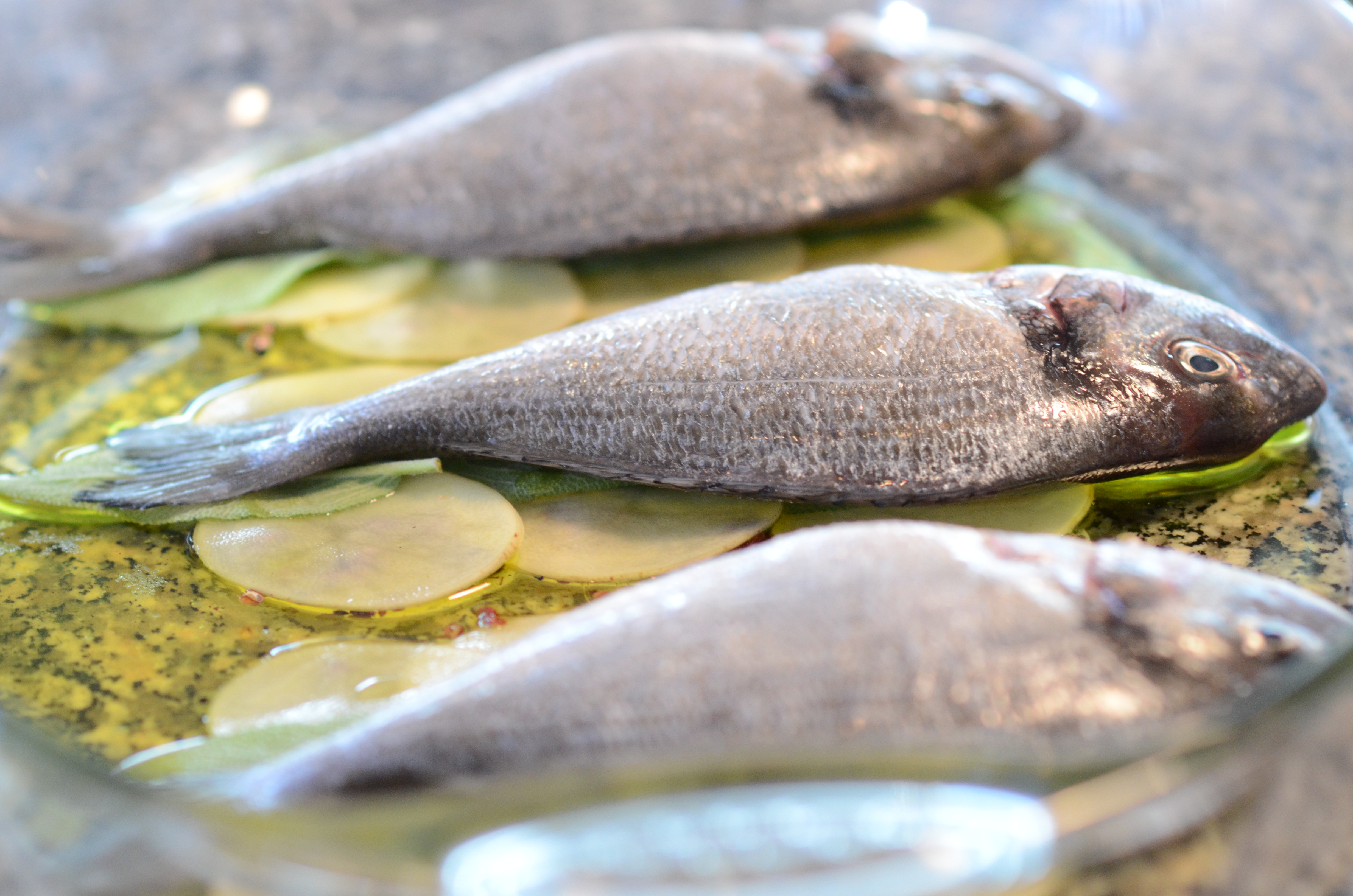
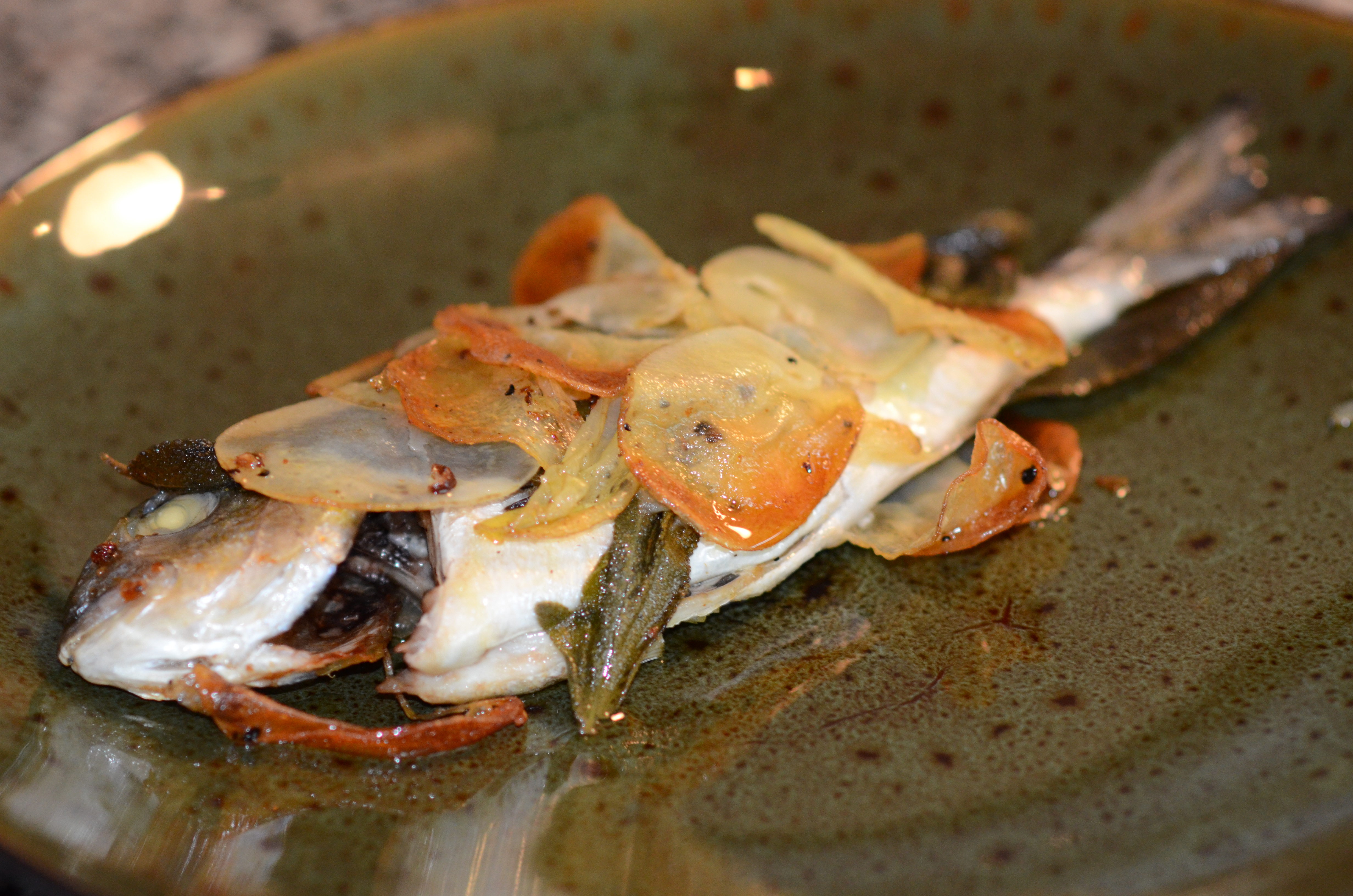
I was also disappointed because I almost always have the same thing there and I was hungry for it that day.  The title of my favorite dish on the menu includes poisson, vapeur, and pommes de terre.  I can’t imagine why I ever ordered it in the first place, but it turned out to be a small, white fish called dourade, steam cooked in a crust of thinly sliced, crunchy potatoes.  The combination of the moist fish and crunchy, salty potatoes is haunting and I get really hungry sometimes for that exact dish.

I drove by Le Golfe last night.  I didn’t really expect they would be ready for business, but I wanted some indication whether or not the restaurant might ever be in my life again.  Some sort of renovating is going on, but I can’t be sure it is going to be reopened as a restaurant.  It might be someone’s home, which also hurts my feelings because if I could have picked any different place to live in Tunis, other than my own sweet house, it would have been in that restaurant.  Anyway, I knew I had to take matters into my own hands if I was to satisfy my fish craving anytime soon, so I went right to the fish market and brought home a few little dourades for dinner.

Dourade
Shutter: 1/200, Aperture: f/3.5

The sage in my garden has had a recent flush of spring growth so I snipped plenty of sage leaves to layer in, too.

sage
Shutter: 1/60, Aperture: f/2.8

I do recall that the potato crust at the restaurant isn’t firmly adhered to the fish, but just layers around it, so I first built little  potato and sage rafts in a baking dish on top of some olive oil, sea salt, and Szechuan pepper.

Potato Raft
Shutter: 1/60, Aperture: f/2.8

I laid the fish on top and oven fried that first side.  Then, I removed the fish and potato, letting it drain for a minute while I built the second side in the dish.  Flipping the fish, I cooked side two, crisping the potatoes and sage.


Finished Fish
Shutter: 1/60, Aperture: f/2.8

I still have to work on my potato fish scale technique, but I am happy to tell you that I achieved the flavor and most importantly, the texture of the dish and I can satisfy my craving now, with or without the restaurant.

Thank you for pretending with me that these overexposed photos are arty.  I am still struggling with adjusting for shutter speed and aperture at the same time.


Slo Season

Monday morning of spring vacation, Allan and I left our hotel in Trieste, Italy,  on the Caspian Sea, and climbed a mountain pass into Slovenia.  Slovenia?  Where has this country been all my life?  Where was I now?  Crossing borders in the EU is incredibly easy.  You see the skeletons of the old border stations, but they are closed, except to trucks, and you whiz right into an entirely new country set, with no questions asked.

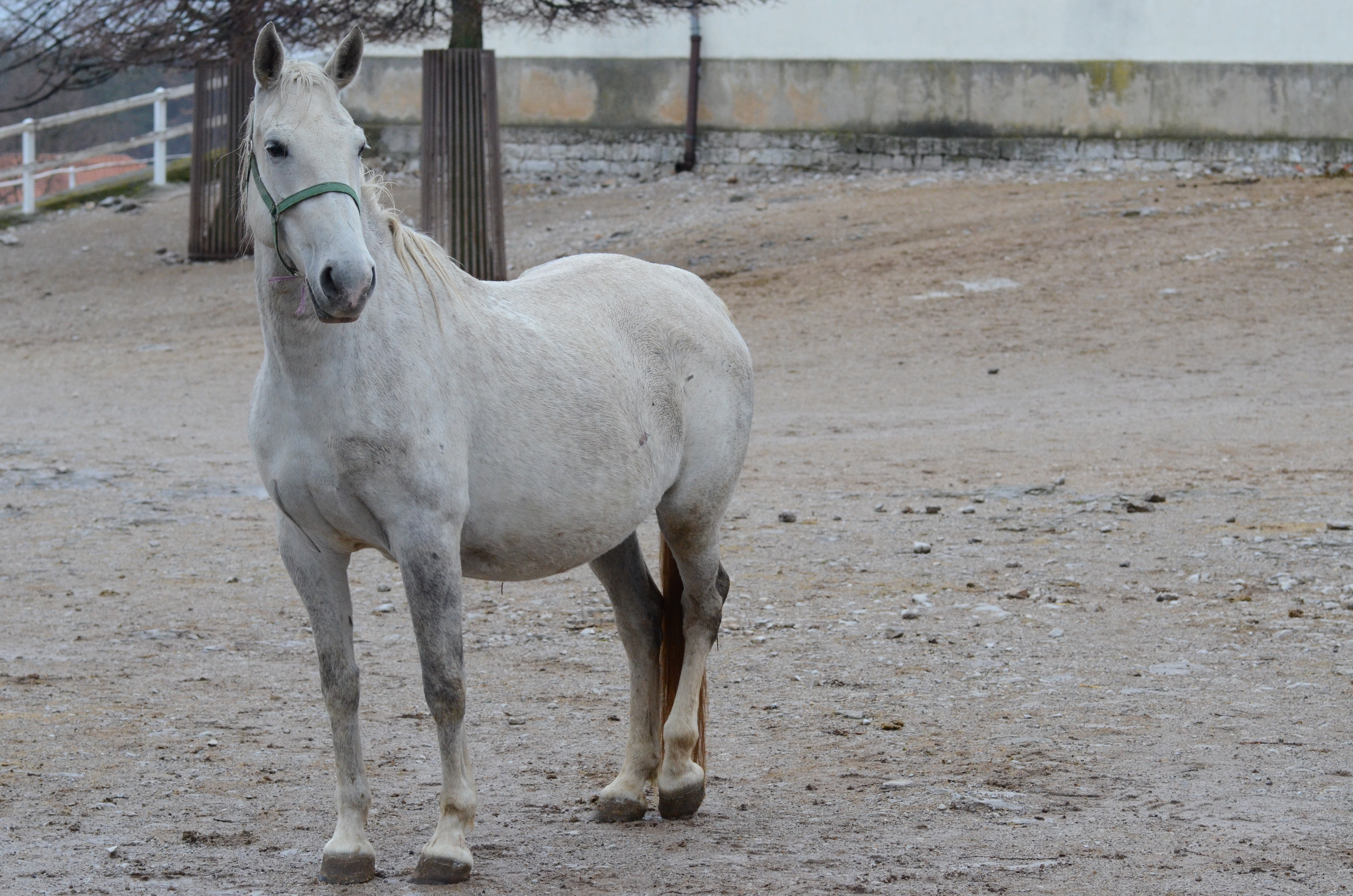
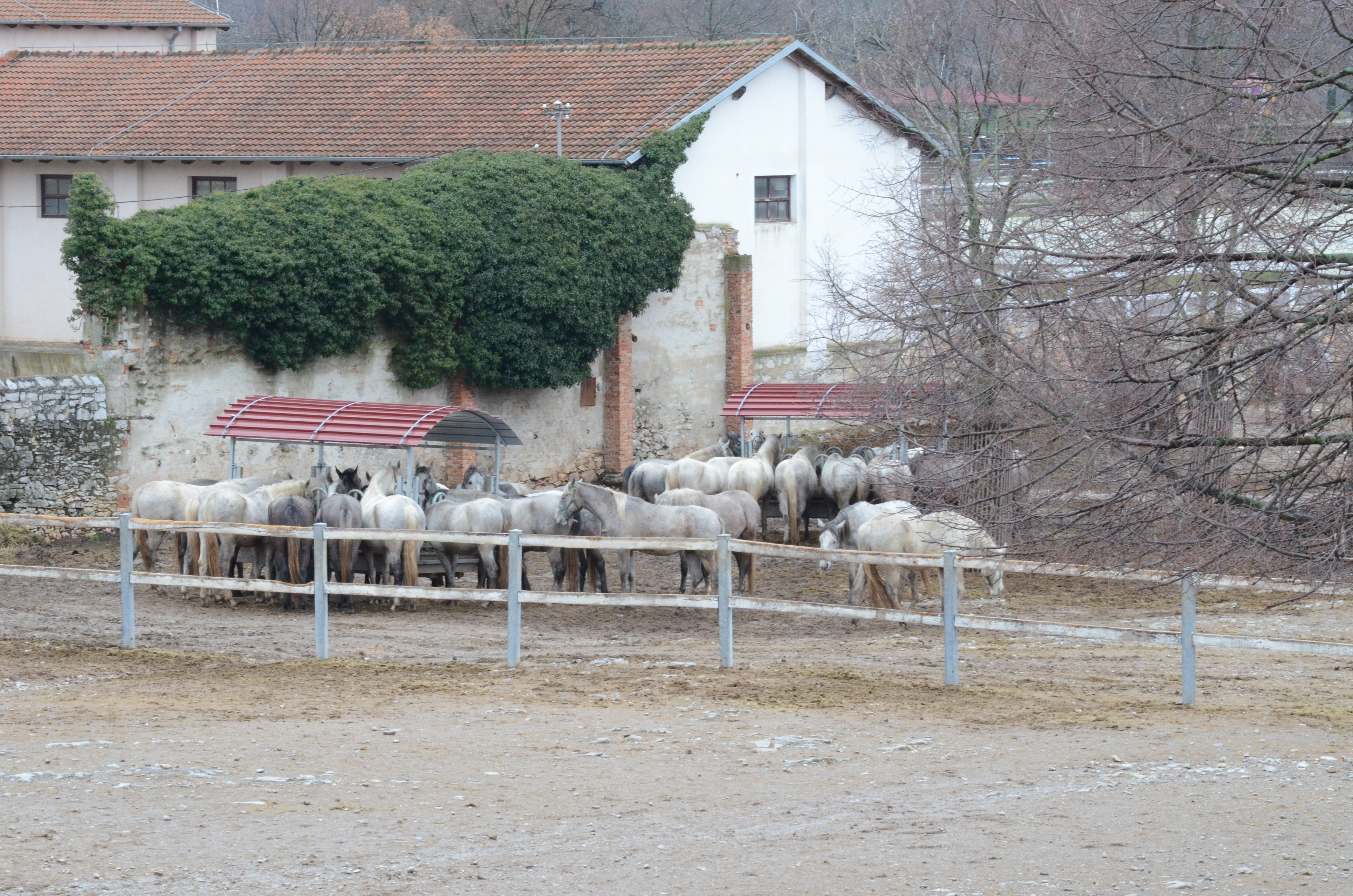
Big, wet snowflakes began to fall as we entered the village of Lipica.  Does that sound at all familiar?  It is the very place where the Lippizaner Stallions are bred and trained.  This horse breed and training style were brought from Spain to Vienna in the 16th century, but a little known fact is that the breeding ranch is in Slovenia.  Being an off time of year, the horses weren’t being shown, but we did get to visit the maternity ward where about 20 mares were waiting to give birth in the next few weeks.  The video I linked mentions a couple of facts that I was amazed by.  One is that the horses are not born white, but are genetically engineered, through exact breeding, to turn pure white at about age 8.  The other was that the idea of “breaking” a horse is grotesque to these trainers.  They are horse whisperers and in fact claim that the technique used in the movie by that name demonstrates their style.  They don’t master the horses, but calm,  befriend, and teach them.  The whole ranch exuded this air of calm.

These horses weren’t just developed for royalty; they were developed for emperors.  You do get a sense of awe thinking of the Habsburg Dynasty of the Austro/Hungarian Empire or Napoleon parading by, the white horses symbolizing ultimate power and purity.

Pregnant Mare
Shutter: 1/2000, Aperture: f 6.3, ISO: 1600
Maternity Ward
Shutter: 1/2500, Aperture: f 6.3, ISO: 1600
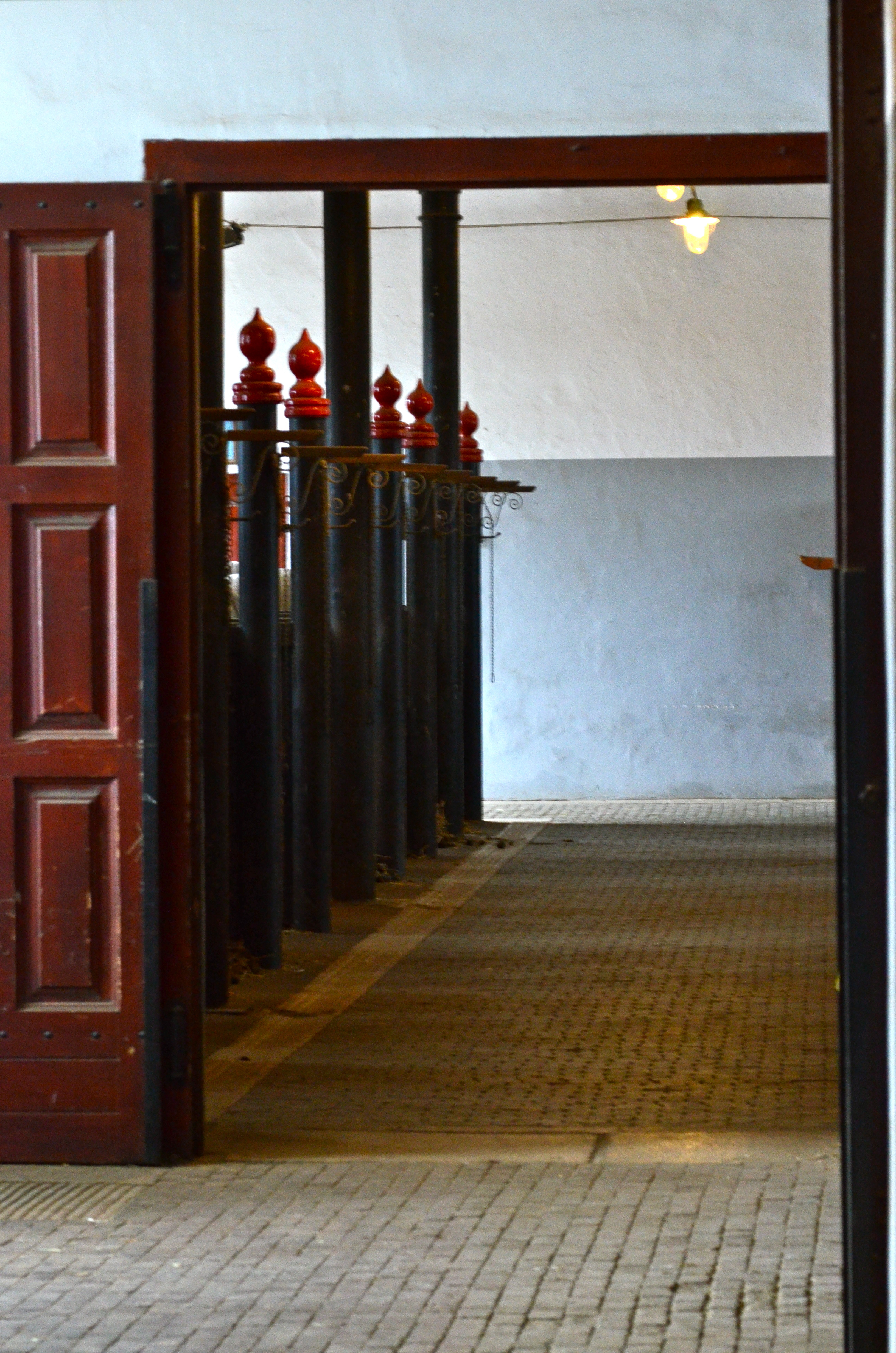
Stables
Shutter: 1/30, Aperture: f 7.1, ISO: 1600
Hay and Tools
Shutter: 1/30, Aperture: f 7.1, ISO: 1600
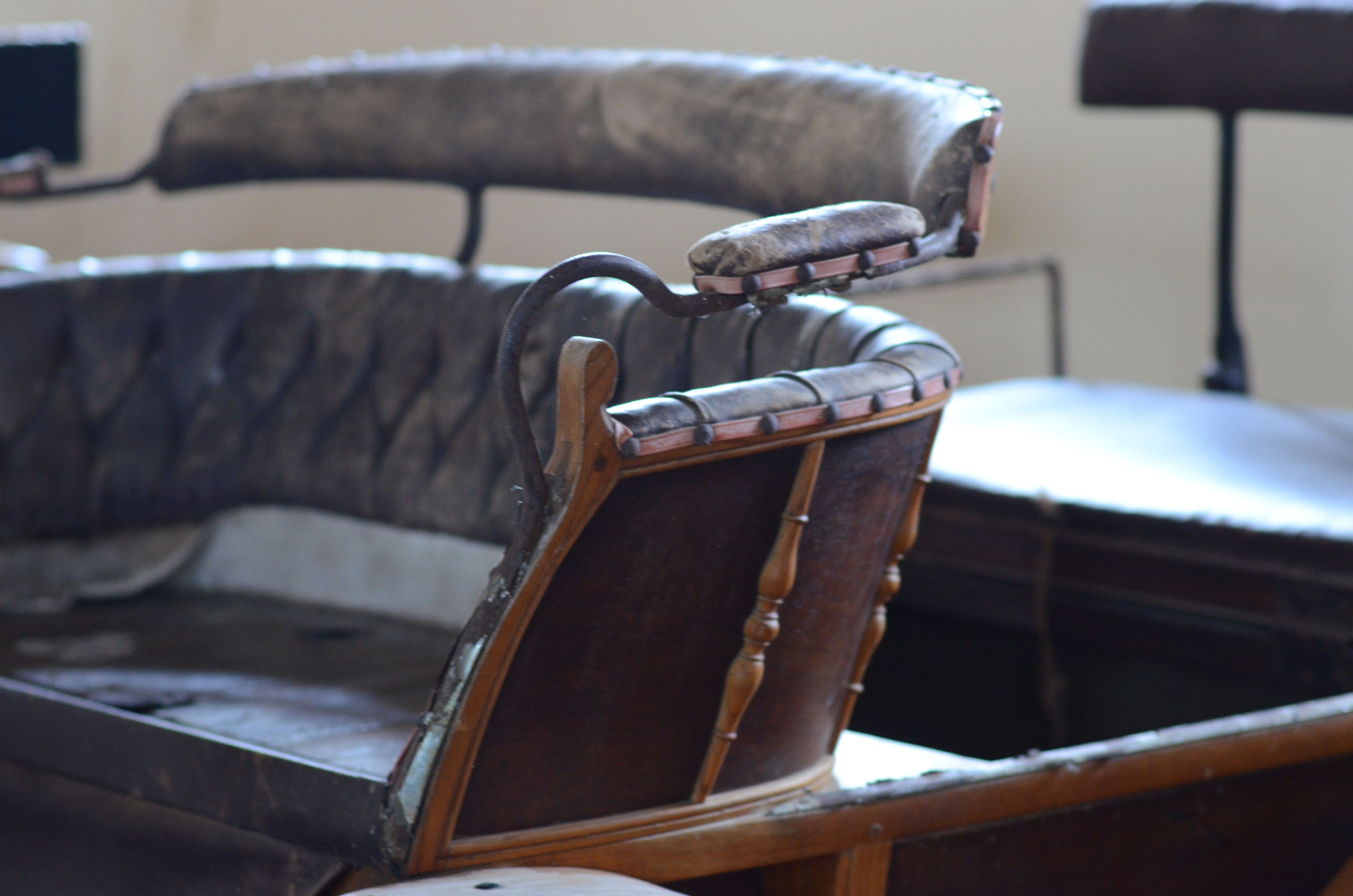
Carriage
Shutter: 1/20, Aperture: f 2.8, ISO: 1600
Young Stallions
Shutter: 1/100, Aperture: f 16.0, ISO: 1600
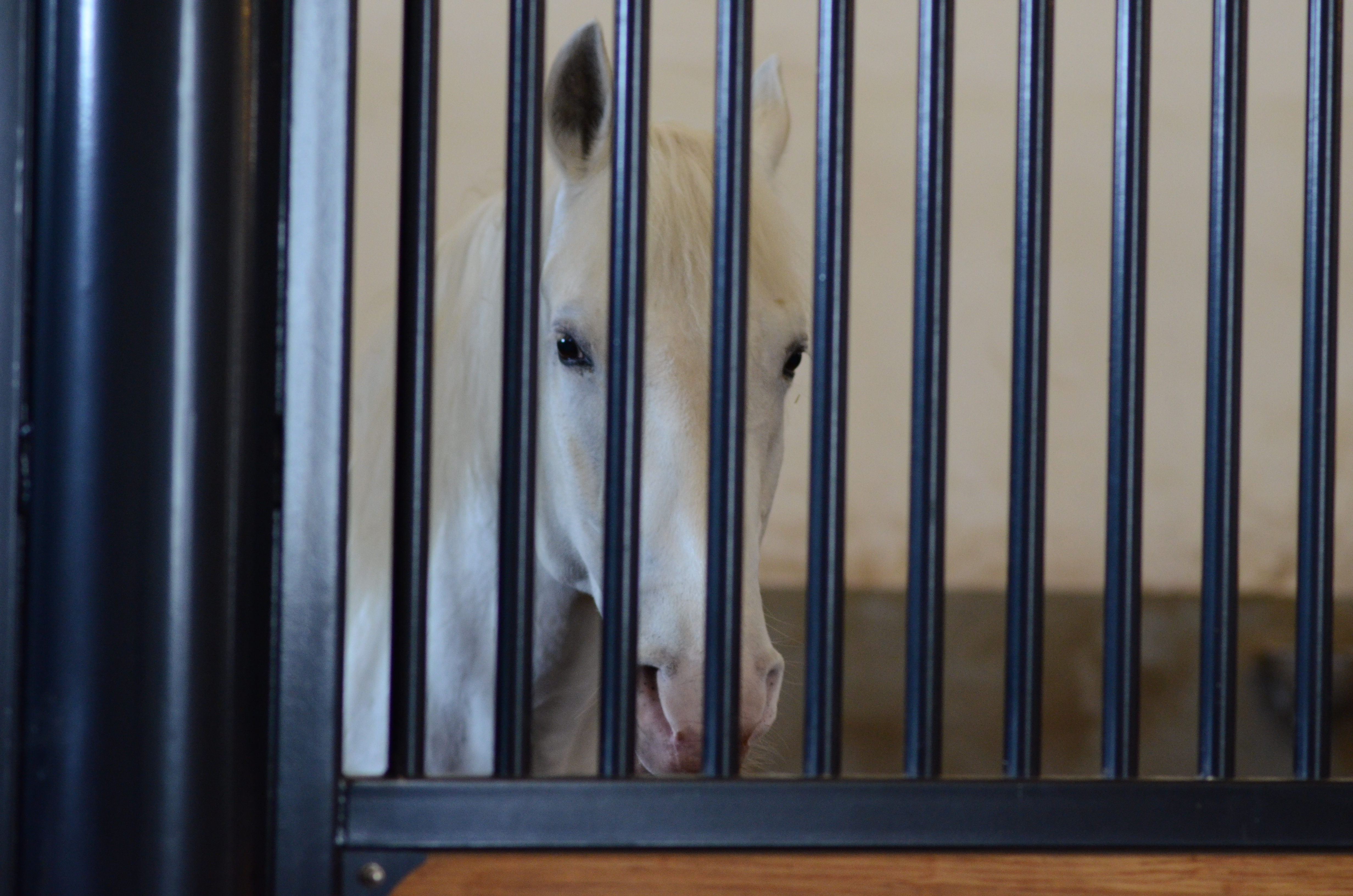
Top Horse, Behind Bars
Shutter: 1/60, Aperture: f 1.7, ISO: 1600

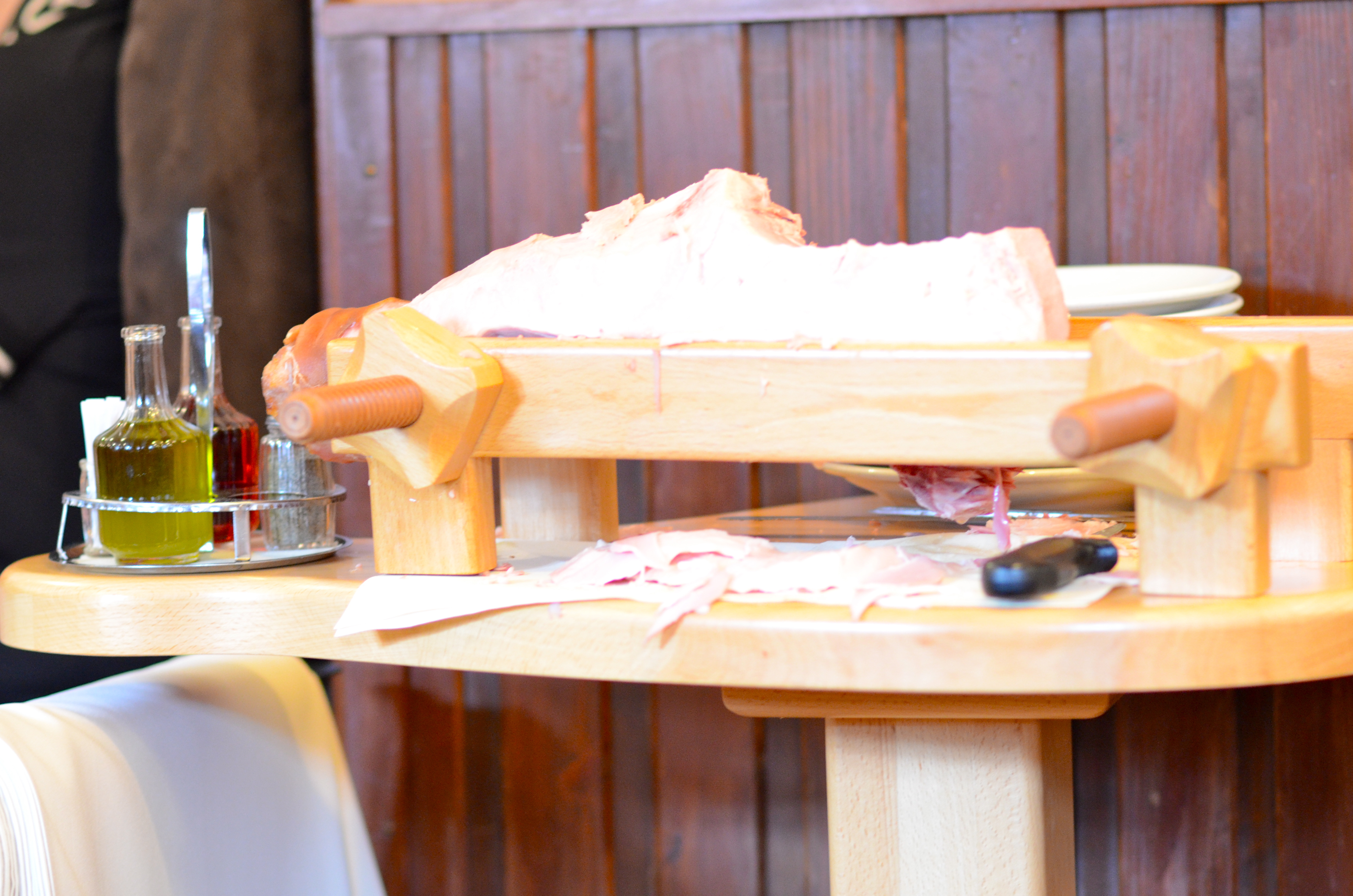
Then after that, we were starving.  Allan had done some research on local restaurants and had a recommendation for a slow-movement style family restaurant in the nearby village of Lokev.  Tromping around a horse ranch for a couple of hours at a freezing temperature, wearing all of the layerable clothing we had packed, left us drooling over the idea of sitting in a small dining room, warming ourselves to plates of long-cooked food.  We popped into the tiny dining room, expectantly, and were told it was impossible.  See, Easter Monday is also a holiday in Europe and it seemed that the entire village was taking their mamas, who had slaved over the Easter feast, out to lunch.  We stumbled back outside, not believing our ears.  This couldn’t be true.  Allan decided to go back in and see if they had another recommendation for us.  The interrelated staff of 4 at this point were taking some pity on us.  They said they couldn’t think of any other place that would take us at that time and then said if we could wait for 1/2 hour, they could give us a table.  They even offered to let us wait at the counter where they served us a plate of sliced ham, freshly baked country bread, boiled eggs, and a huge dollop of horseradish sauce.  This would typically be enough for a satisfying lunch for Allan and me, but we knew there was much more to come.

Piggy Bank
Shutter: 1/60, Aperture: f 1.7, ISO: 1600
Ham Carving
Shutter: 1/60, Aperture: f 2.2, ISO: 1600

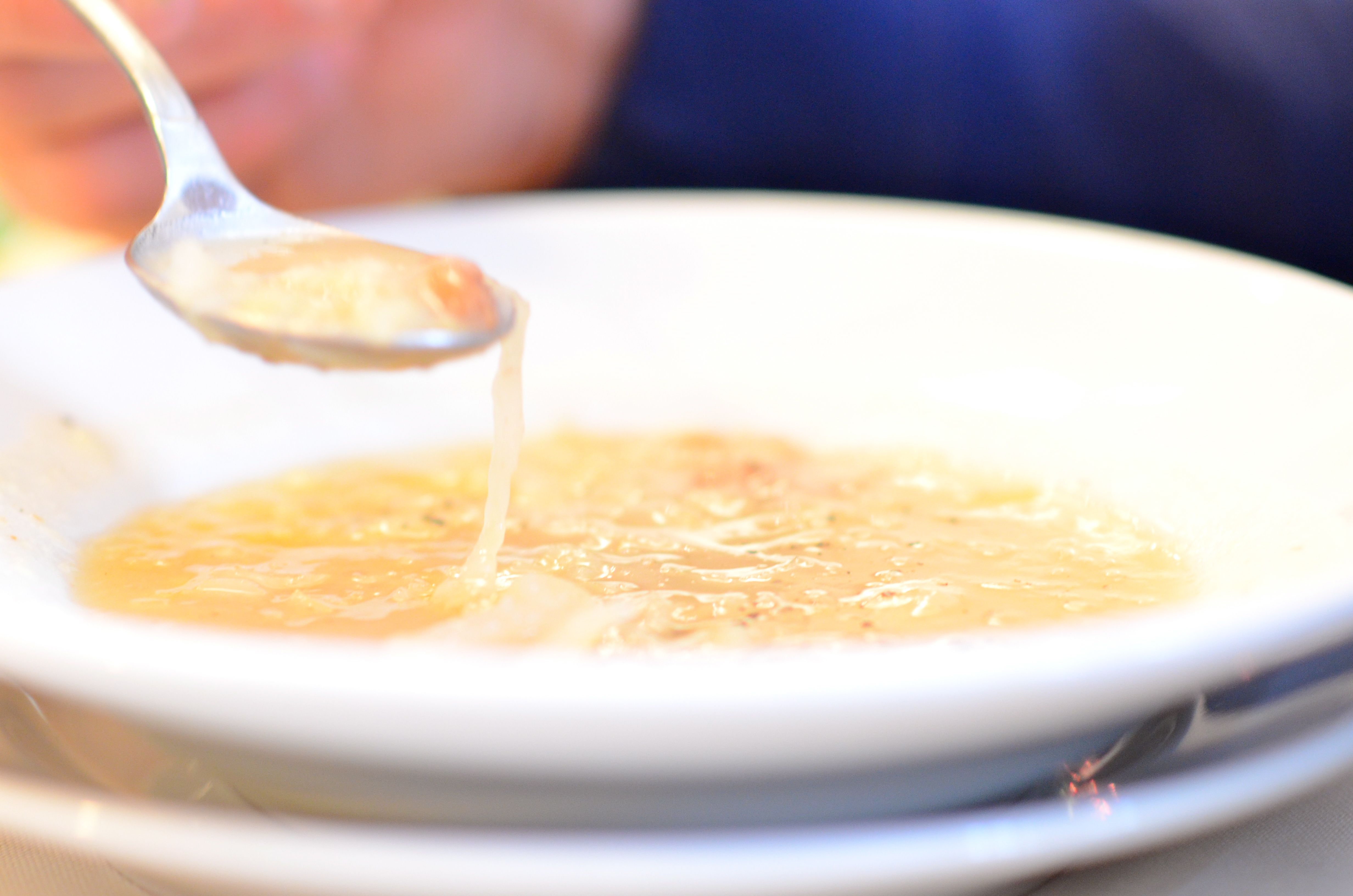
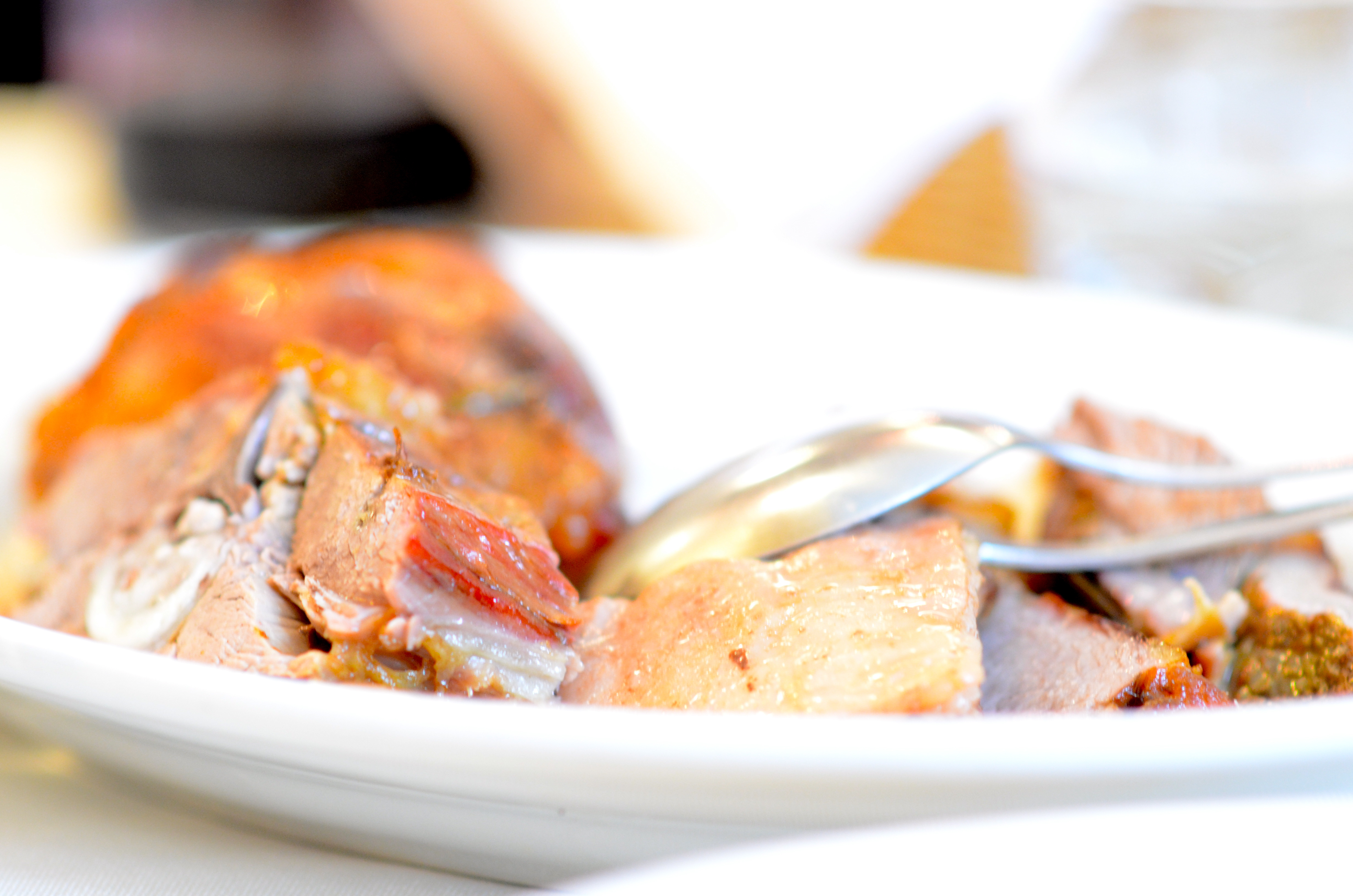
When we finally got our table, we could only share some dishes, which filled us to bursting.  We began with the waiter’s recommended cabbage and bean soup.  This is essentially sauerkraut and bean soup in a ham broth, and it was fantastic.  The sauerkraut tang, against all of the other melded flavors, was energizing to our taste buds.  We then slurped up a plate of hand-made fettuccine with wild mushroom sauce, followed by a lamb shank that was caramelized and falling off the bone.  Groaning as we waddled out, we felt like we had invaded a family reunion, though they were very kind to us.  It was a privileged slice of village life and we regretted nothing.
Cabbage Soup
Shutter: 1/60, Aperture: f 2.2, ISO: 1600
Roast Lamb
Shutter: 1/60, Aperture: f 2.2, ISO: 1600

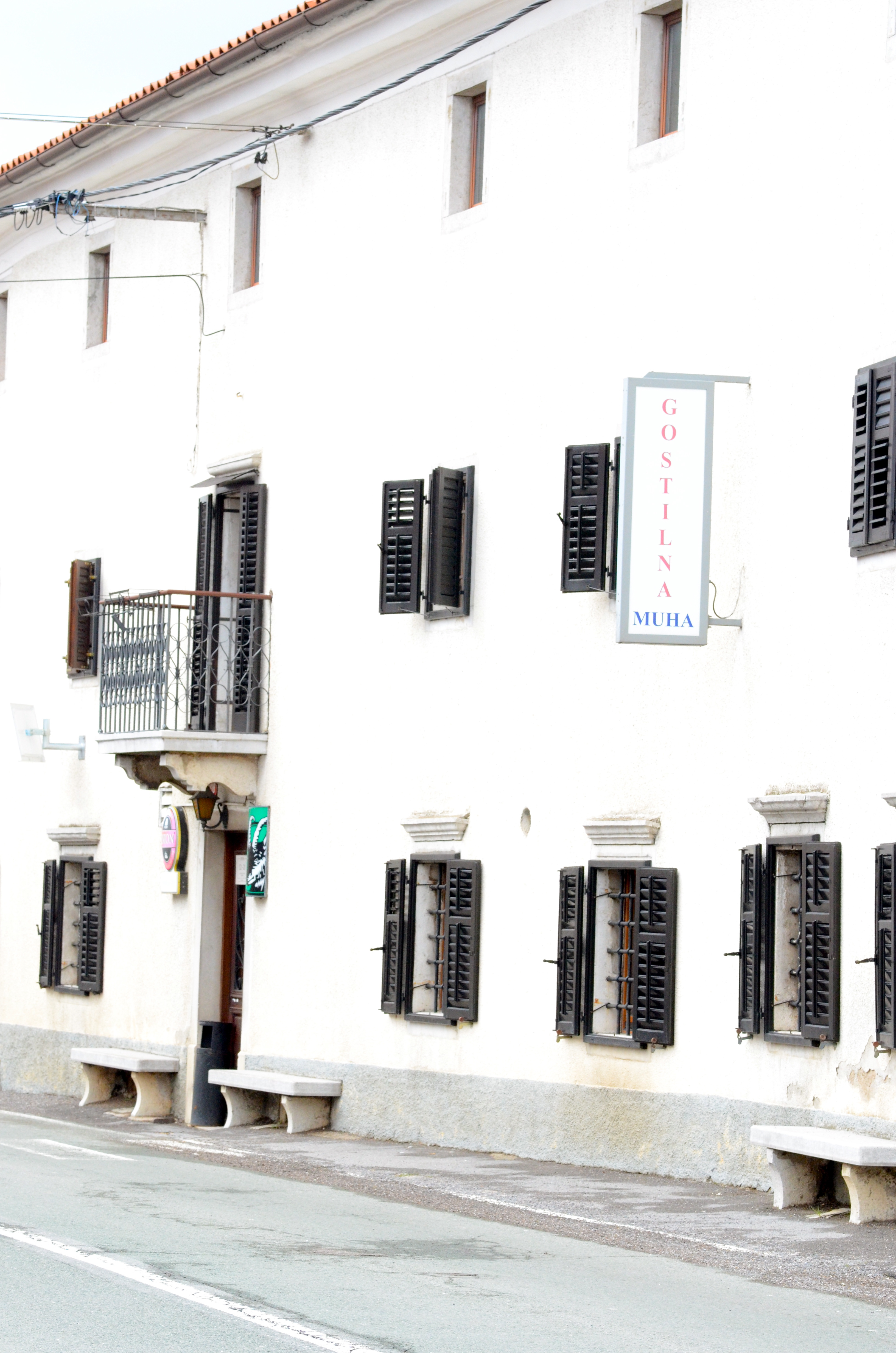
The restaurant is Gostilna-Trattoria Muha in Lokev, Slovenia.  If you want to get a table for Easter Monday lunch, I advise you make a reservation at 00 386-5-767-00-55.  They also are now offering 4 guest rooms and based on the quality of their food, I would be eager to rent a room.  Sights in the area are, of course, the horse ranch and also several large limestone caves that we hope to see on our way back through.

Gostina Muha
Shutter: 1/800, Aperture: f/8.0, ISO: 1600

About the photography, this is my first excursion where I adjusted both the aperture and the shutter speed, manually.  I got some underexposure that I had to enhance to use the photo and some overexposure, which it turns out there isn’t so much you can do with.  I did post my settings, mostly to remind myself what I did and to get used to associating with these numbers.

In Like a Lion

I celebrated my birthday a wee bit early last weekend at the resort town of Hammamet.  As we were making our weekend plans, it did look like it might be a stormy weekend, but we are from the Northwest and I romanticized going to the Oregon Coast on a winter weekend, which is not an unusual thing to do.  As one would, we planned to do a lot of reading and expected chilly beach walks.

But the rain storm that rolled in on Friday evening surpassed our expectations.  We entered Hammamet to flooded streets and being led on a dark path to our rooms, just by the sea fence, we could hear the Mediterranean a few feet away, crashing and roaring.  It rained torrentially all night.

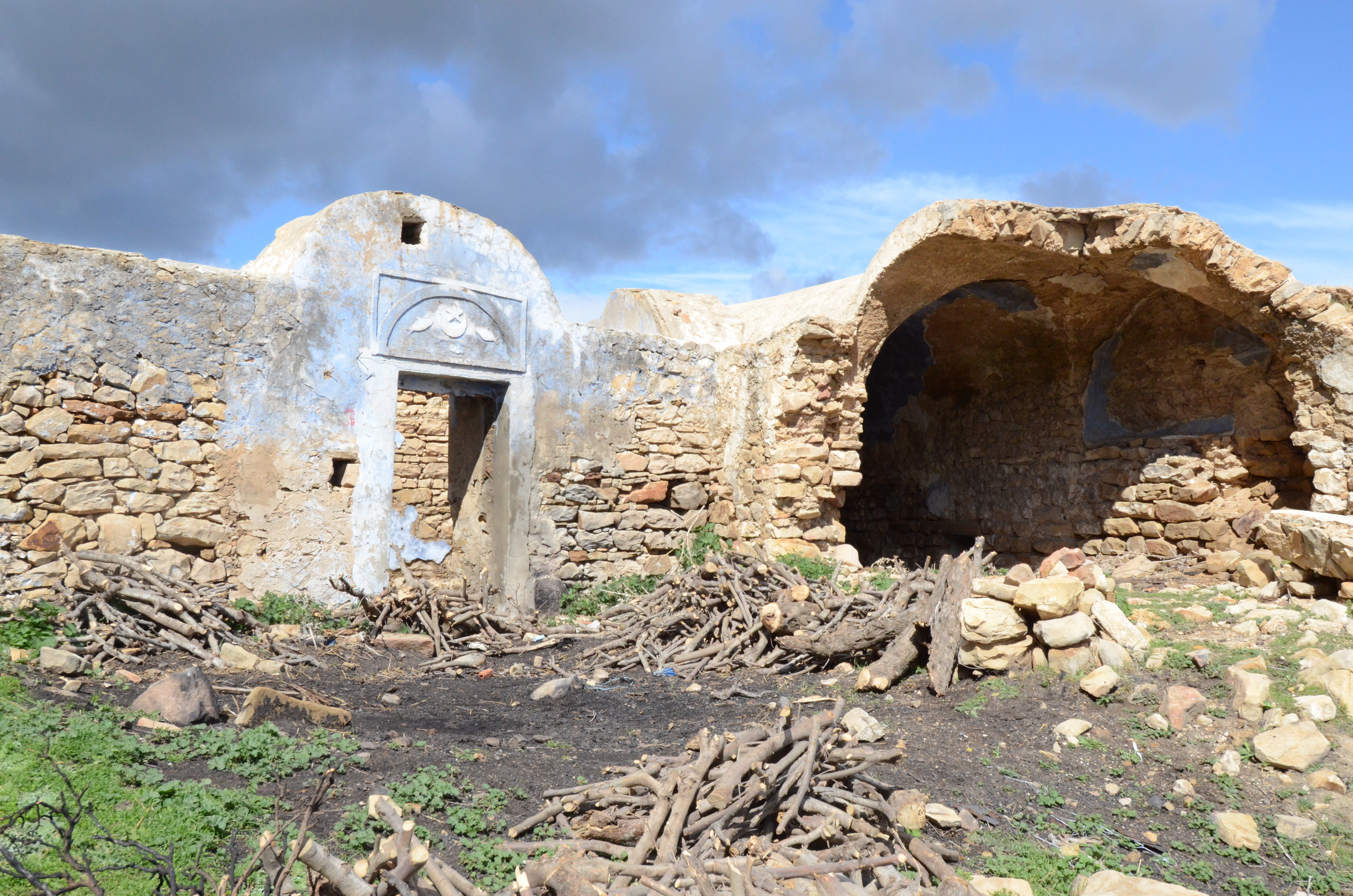
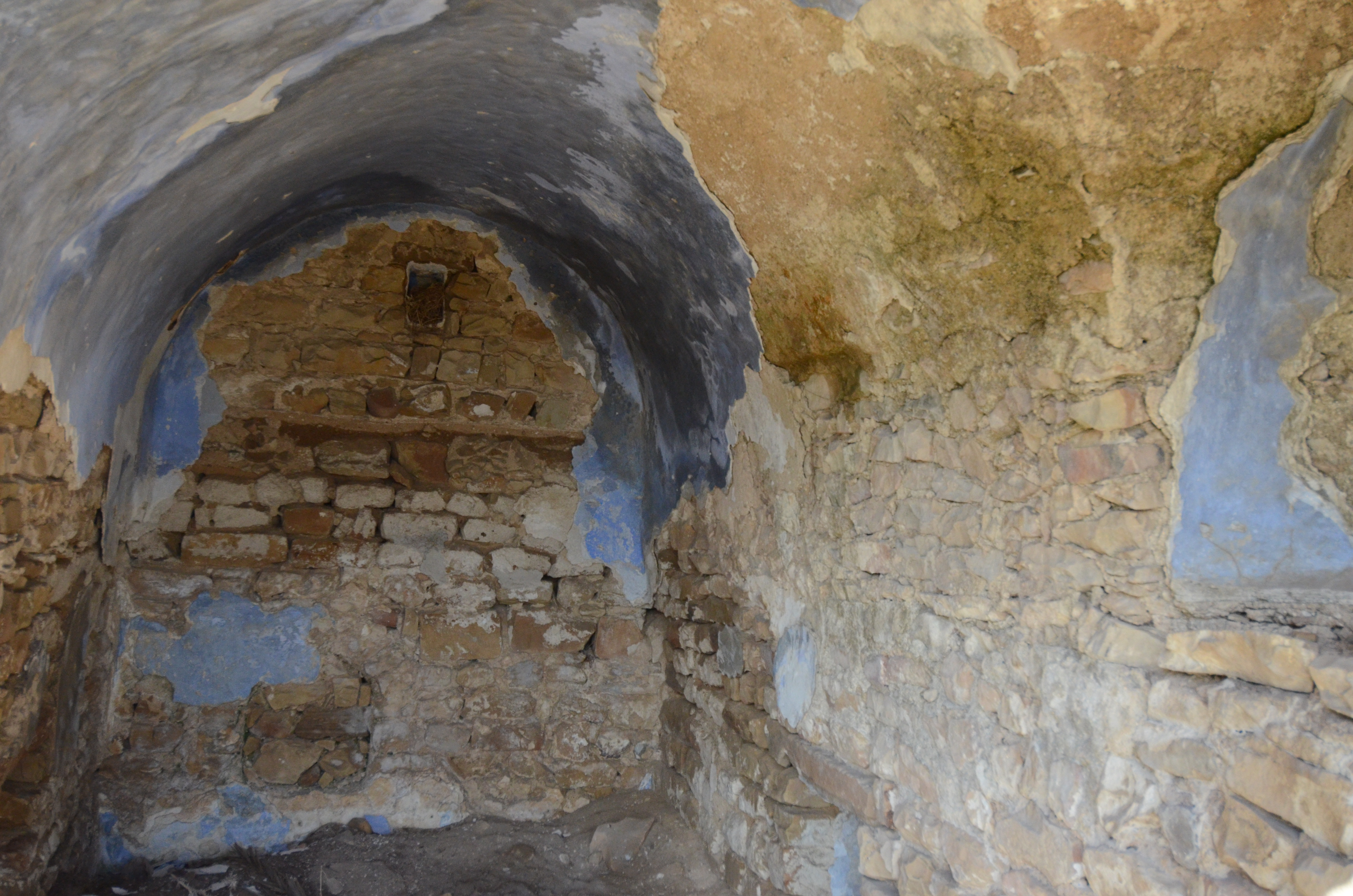
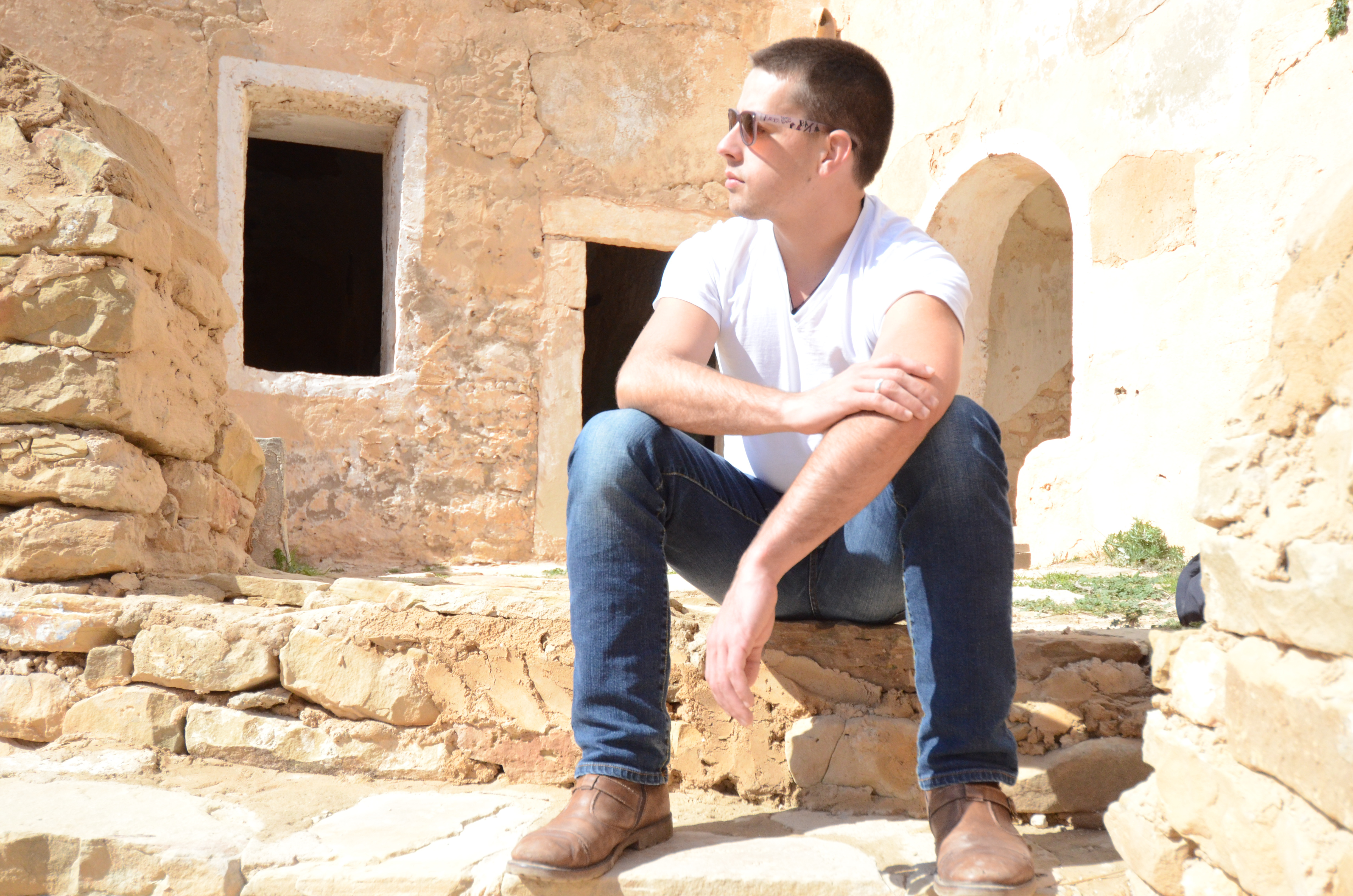
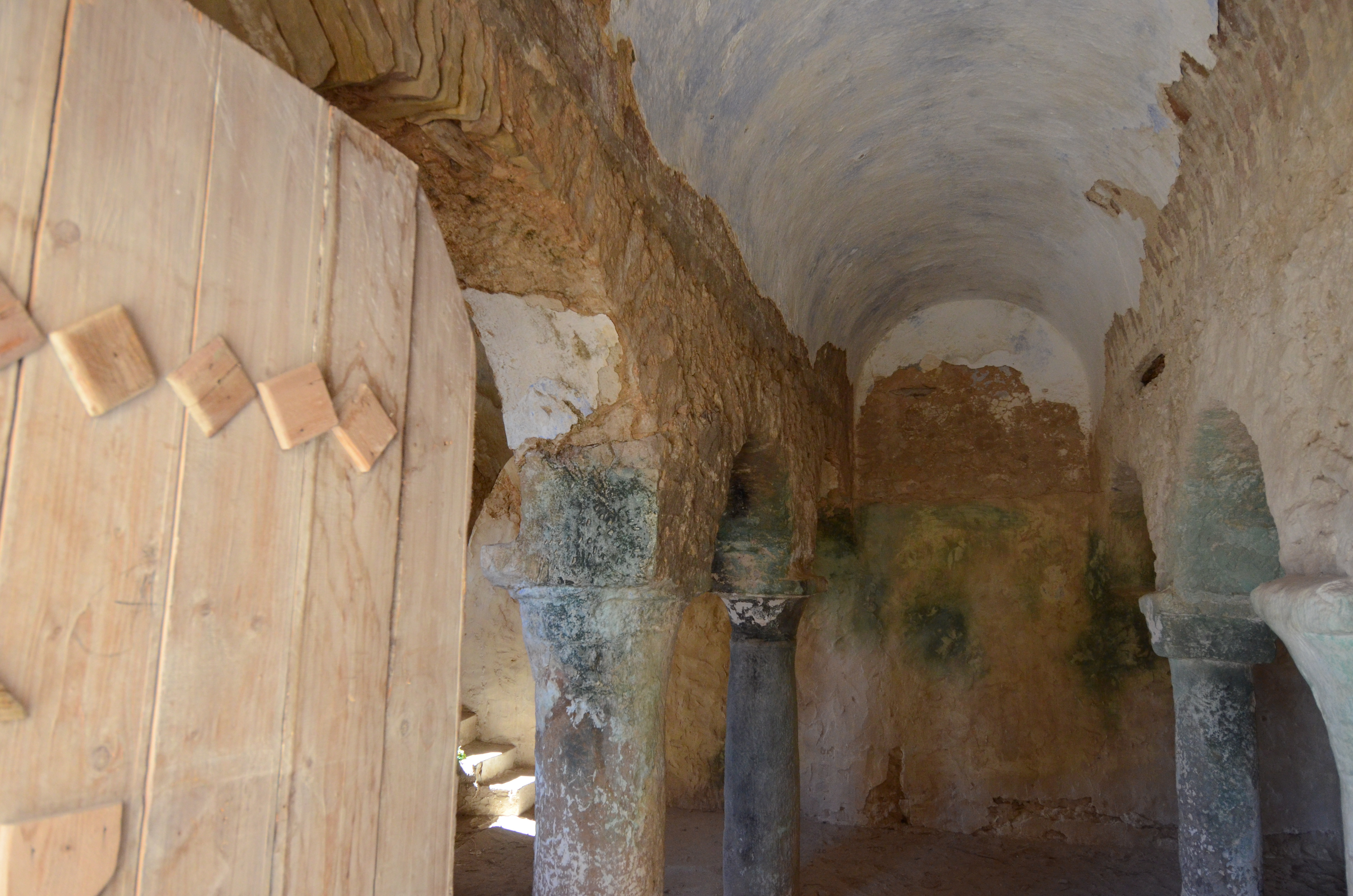
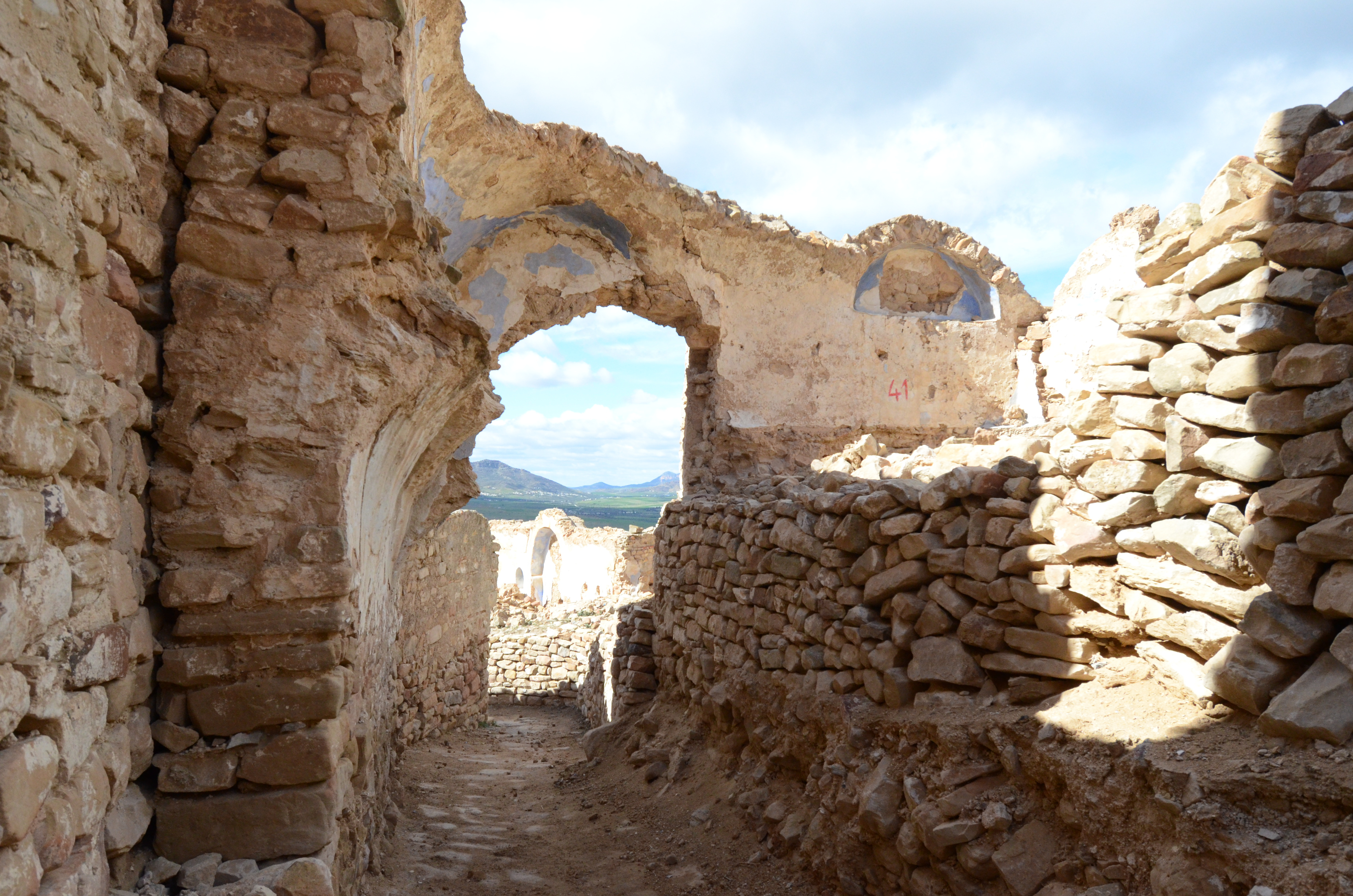
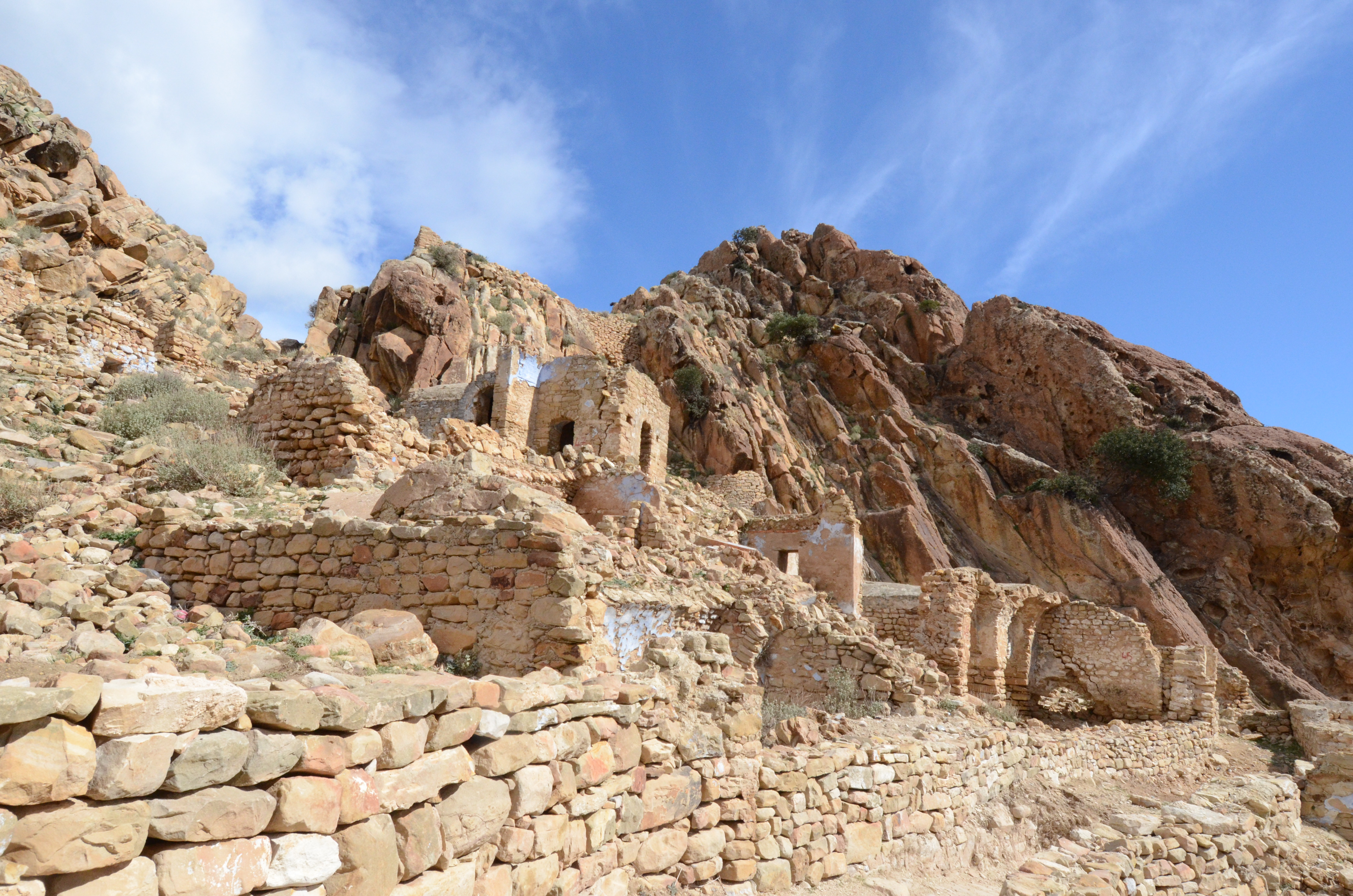
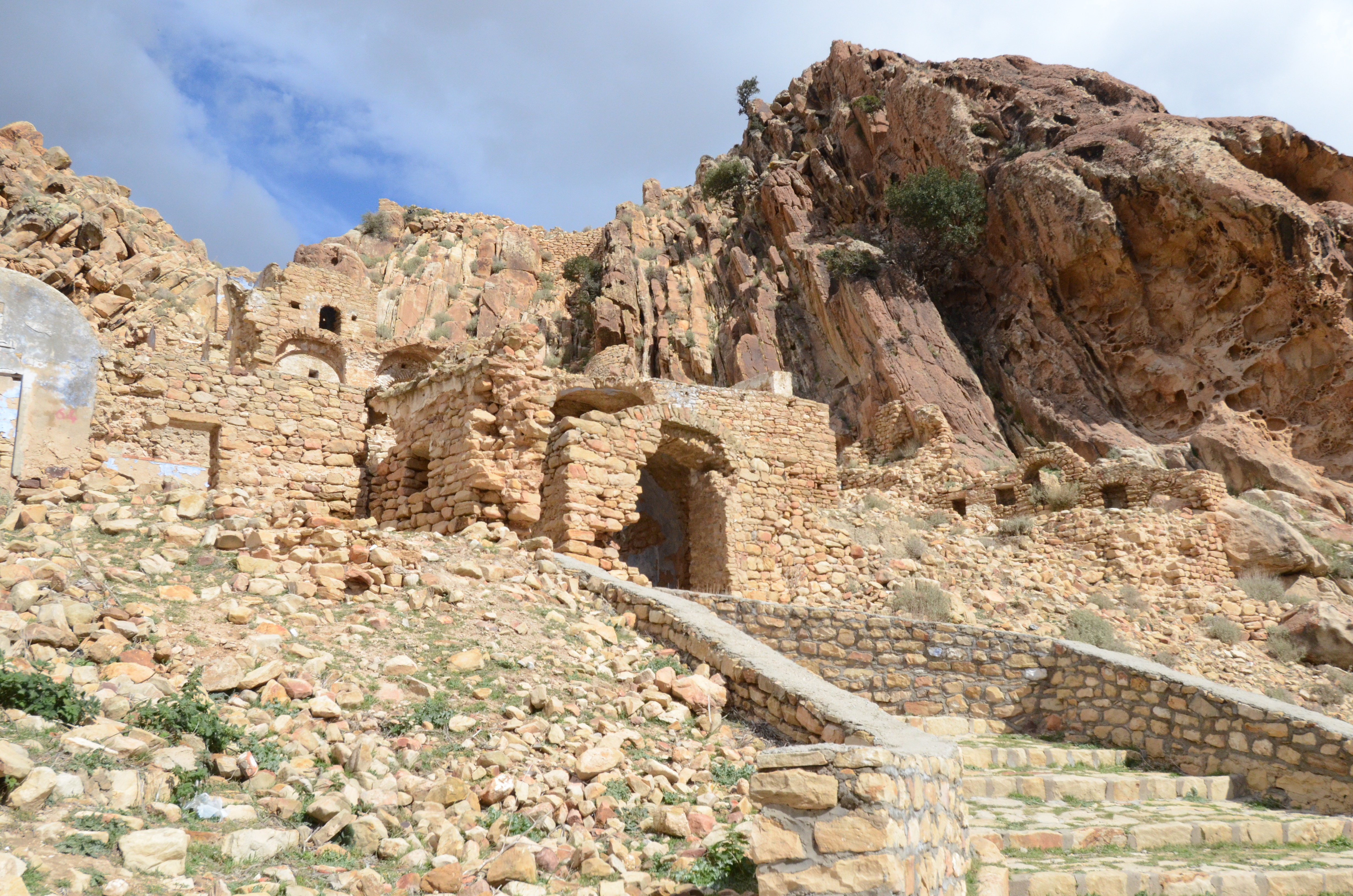
Allan had made plans for us to have a little adventure on Saturday morning.  Some friends had discovered a primitive village a year ago when their young son had been cast in a film about Mary, mother of Jesus.  He was to play Jesus as a child, but alas, as the filming day drug on, his blood sugar level and interest in the whole project waned and when it was time for him to perform, he just wasn’t feeling it anymore.  The setting of Zriba el Alia, where the filming was done, however,  is a dead ringer for a Biblical era stone village and is worth scouting out.

Only inhabited currently by some sheep herders and their families, it isn’t well-known and is not exactly easy to access.  We had some Google Maps directions, but would never have found it without the conversational Arabic skills Gabe has already amassed in 6 short weeks of study.  Allan pulled over every time he saw two or more young men on the roadside and made Gabe ask again which way to Zriba el Alia.  Impressively, they understood him right away and kept gesturing straight down the road.

Following the dramatic rainstorm, the sky was a major player in the scenery.  It was bluer than blue, freshly washed, and the clouds were still forming into expressive collections.  I am reading The Testament of Mary by Colm Toibin at the moment so I had many contemplations about the life of Jesus and those who surrounded him as I poked through these sepulchre-looking rooms.  The entire village must have been painted blue at one time, inside and out.  The remains of the patina offset all of the natural stone, providing interesting photography opportunities.  DSC_2943

DSC_2951

DSC_2966

DSC_2978

DSC_2979

DSC_2986

DSC_3047

DSC_3006

DSC_3020

DSC_3031

DSC_3034

DSC_3059