Olive Oil Poached Fish with Fragrant Salt

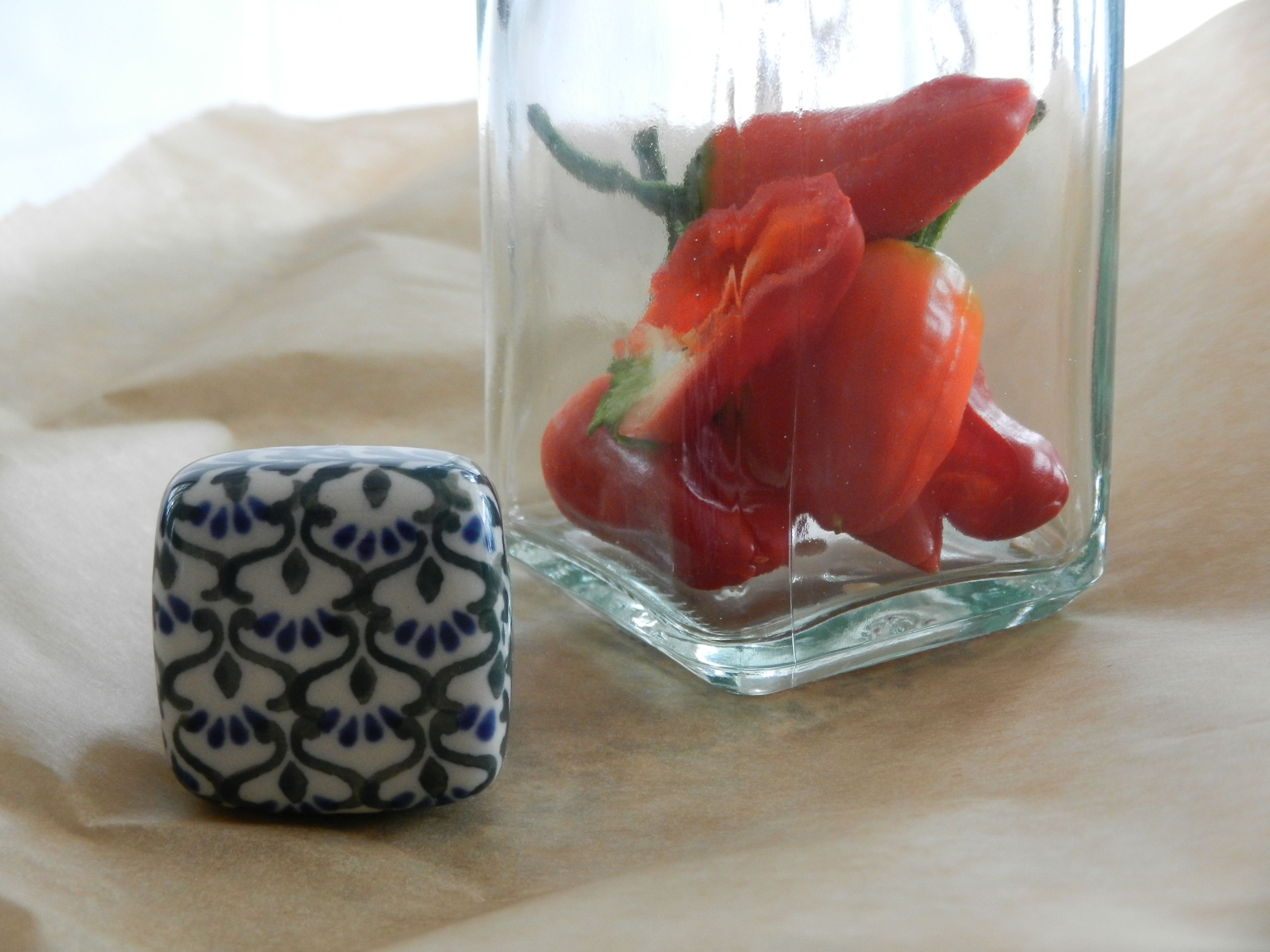
I just got back from Spring Break in Italy where I was inspired to restock my kitchen in Tunis with some specialty supplies.  First of all, the table at the agritourismo we stayed at had a bottle of chili oil every night and we got addicted to it,  wanting to pour a little on everything.   I bought the hottest chilies I could find at my market when I got home and got my own bottle started steeping.  This is such a simple thing that I had completely forgotten about making.  My friend, Lauren, just gave me this pretty Polish pottery stopper for my birthday so I made up a lovely bottle in minutes.  I wanted to keep most of those cute chilies whole so I just made slits in the ends so the oil could come into contact with the chili flesh and seeds. I filled the bottle to the top with our grassy, green olive oil.
Then, the PAM grocery store, outside Siena, had a tremendous selection of specialty salts.  I have about every salt I need now to cook through Mark Bitterman’s book, Salted, cover to cover.

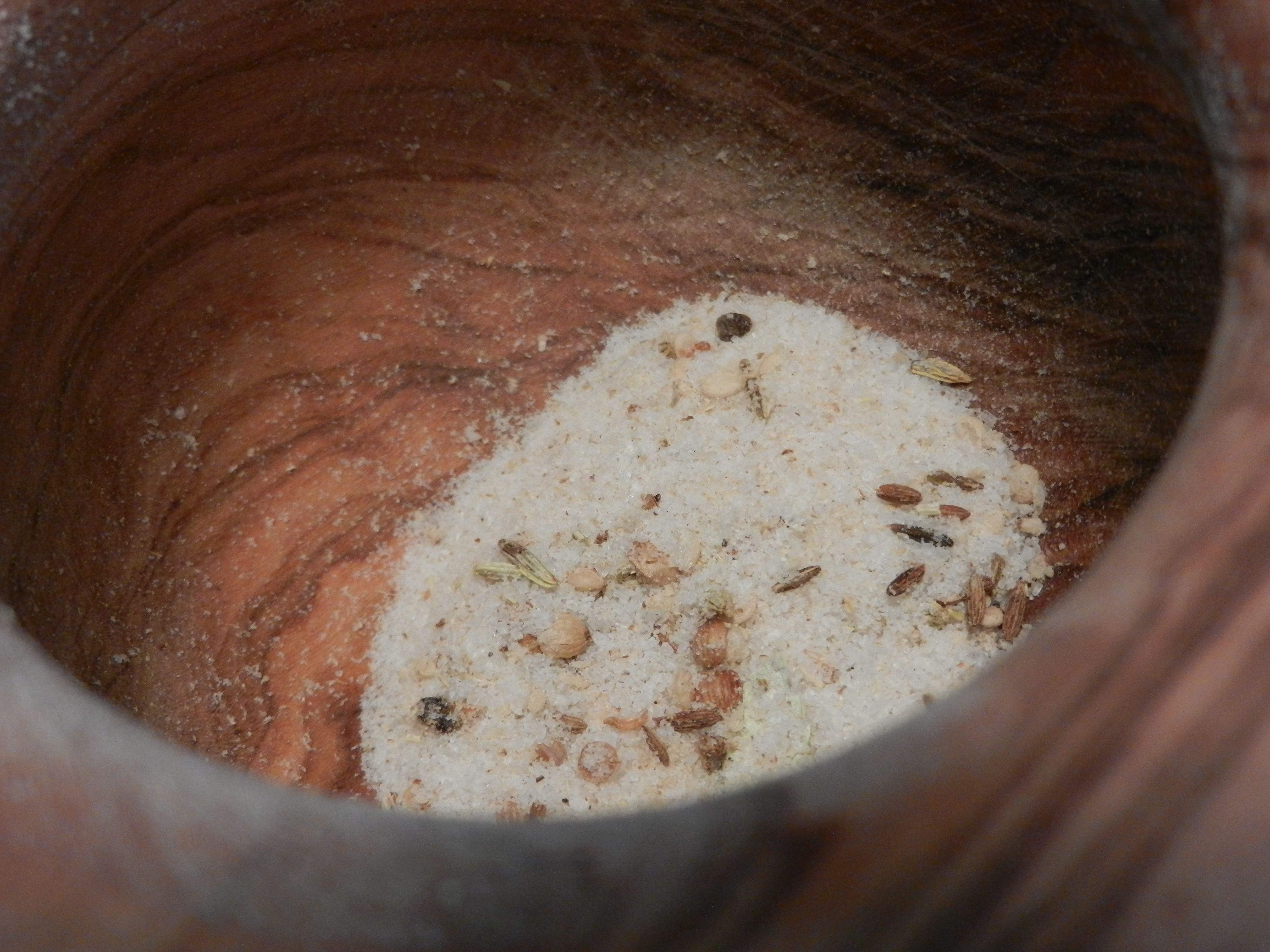
I made up another salt mixture, based on a recipe from Saha, A Chef’s Journey Through Lebanon and Syria, by Greg and Lucy Malouf.  This is easy to put together and keeps for 6 months.  It is a nice quick cure for a piece of fish.

Fragrant Salt

  • 1/2 teaspoon cumin seeds, ground
  • 1/2 teaspoon coriander seeds, ground
  • 1/2 teaspoon cardamom seeds, ground
  • 1/2 teaspoon fennel seeds, ground
  • 1/2 teaspoon nigella seeds, ground
  • 1/2 teaspoon sesame seeds, ground
  • 2 tablespoons sea salt

Put the ground spices, toasted sesame seeds and salt in a skillet and gently warm through so they merge into one fragrant powder.  Store in an airtight jar.
Olive Oil Poached Fish

adapted from Saha, by Greg and Lucy Malouf

Dust the fish all over with the Fragrant Salt and refrigerate for an hour to lightly “cure”.  Before cooking, rinse the fish and dry it thoroughly.

In a deep cast iron skillet or fish poacher, put a layer of sliced onions.  Place the fish on top, skin side up.  Pour in enough olive oil to barely cover onions and fish.  Put the pan on the stove and heat gently to 140 degree F.  Cook for 8 minutes then remove from the heat and let the fish sit in the oil for another 2 minutes.  You can easily skin the fish at this point, if desired.  Carefully lift the fish out of the oil and place it on paper towels to drain.

Make the Tarator.

Tarator

  • 1/2 cup walnuts or pistachios, toasted and finely chopped
  • 1 cup cilantro leaves, finely shredded
  • 1 small purple onion, very finely diced
  • 1 red finger-length chili, seeded and finely diced
  • 1/2 teaspoon ground sumac
  • Juice of 1 lemon
  • 1/4 cup extra-virgin olive oil
  • Salt and pepper to taste

Mix all ingredients and pack onto the top of the poached fish before serving.

Extravagance with Artichokes

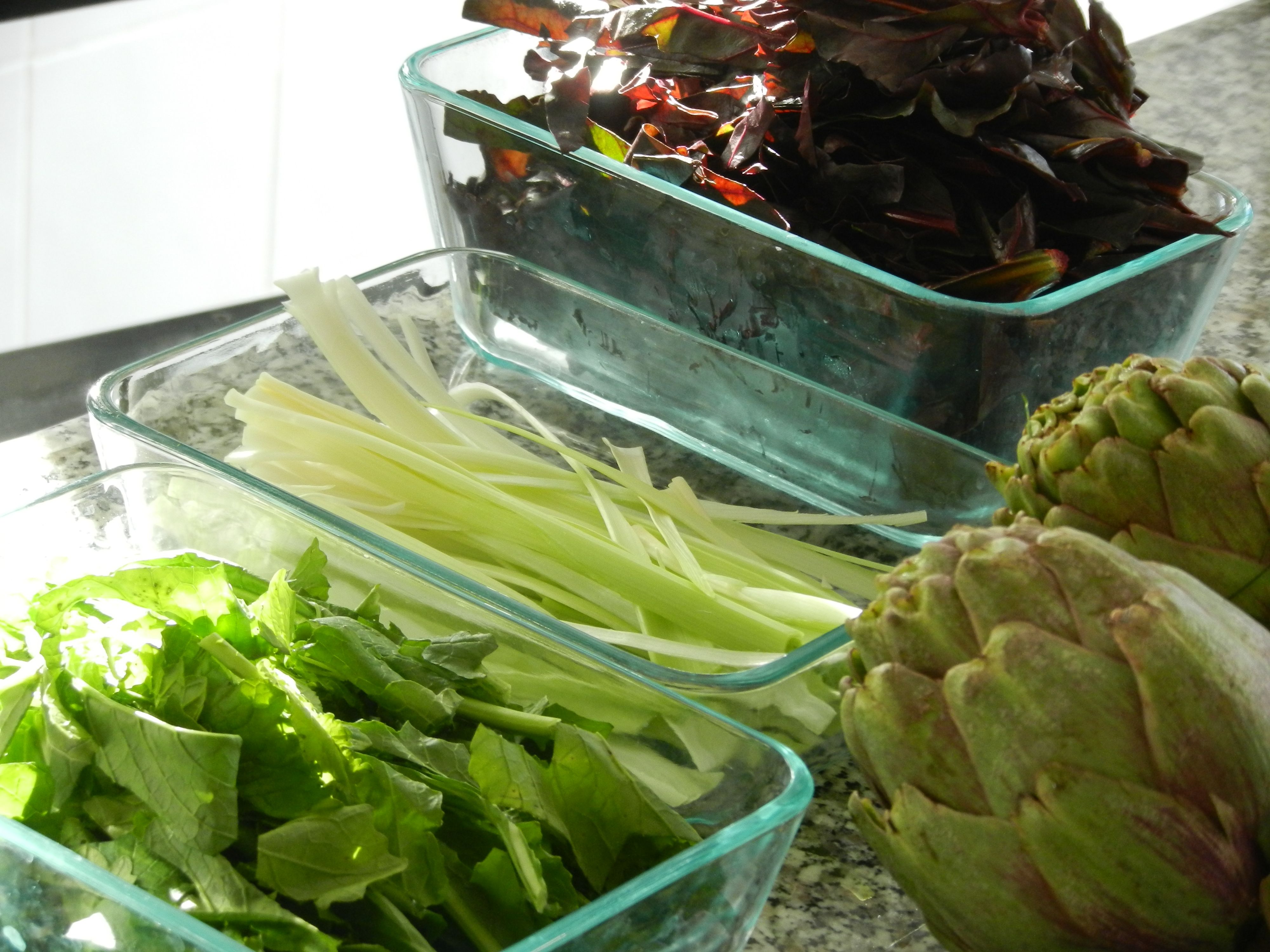
I want to do wildly extravagant things with artichokes.  They are so cheap and plentiful that this is my time, if ever, to try all of those artichoke recipes I’ve always dismissed as being for people who live in California.  One little hurdle in my mind can be getting past the separation of leaves and stem.  First, it is physically challenging to peel and de-choke an artichoke.  It’s not impossible, but I wish I had a better technique.  Second, if I don’t use the whole artichoke, I feel like I’m wasting the meat on those leaves.  I am currently steaming them off separately and Allan and I will either just sit and have a big artichoke leaf fest or I will try scraping the meat off of each individual leaf to add a layer of artichoke paste to a lasagna.  That’s my current plan.

Concurrently, I have been saving nutrient rich greens from the cutting room floor all week.  The vegetable sellers here are very quick to cut the greens from the bulbs of carrots and fennel, and on to beets and turnips, which we know are delicious.  I bought a bunch of beets a few days ago and had my back turned when the owner chopped off the greens and tossed them in a bundle on the shop floor.  When I asked for the greens, he put the decapitated heads of two other customers’ bunches in my bag, too, so now I have plenty of beet greens.  Plenty.

I bought a beautiful cookbook last summer, Turquoise, by Greg and Lucy Malouf that I am long overdue to start learning from.  The subtitle is A chef’s travels in Turkey.  Greg is an experienced Australian chef, Lucy is an evocative writer and they also had a fantastic photographer along because every page makes you want to crawl right inside.  They try everything they can, but then Greg puts a little Australian spin on the dish so it’s just a tiny bit fusionized for Western cooks.  This is my first recipe to actually cook from the book and it’s perfect for what’s available to me at the moment.  Rather than chicory and chard, I used beet and turnip greens.

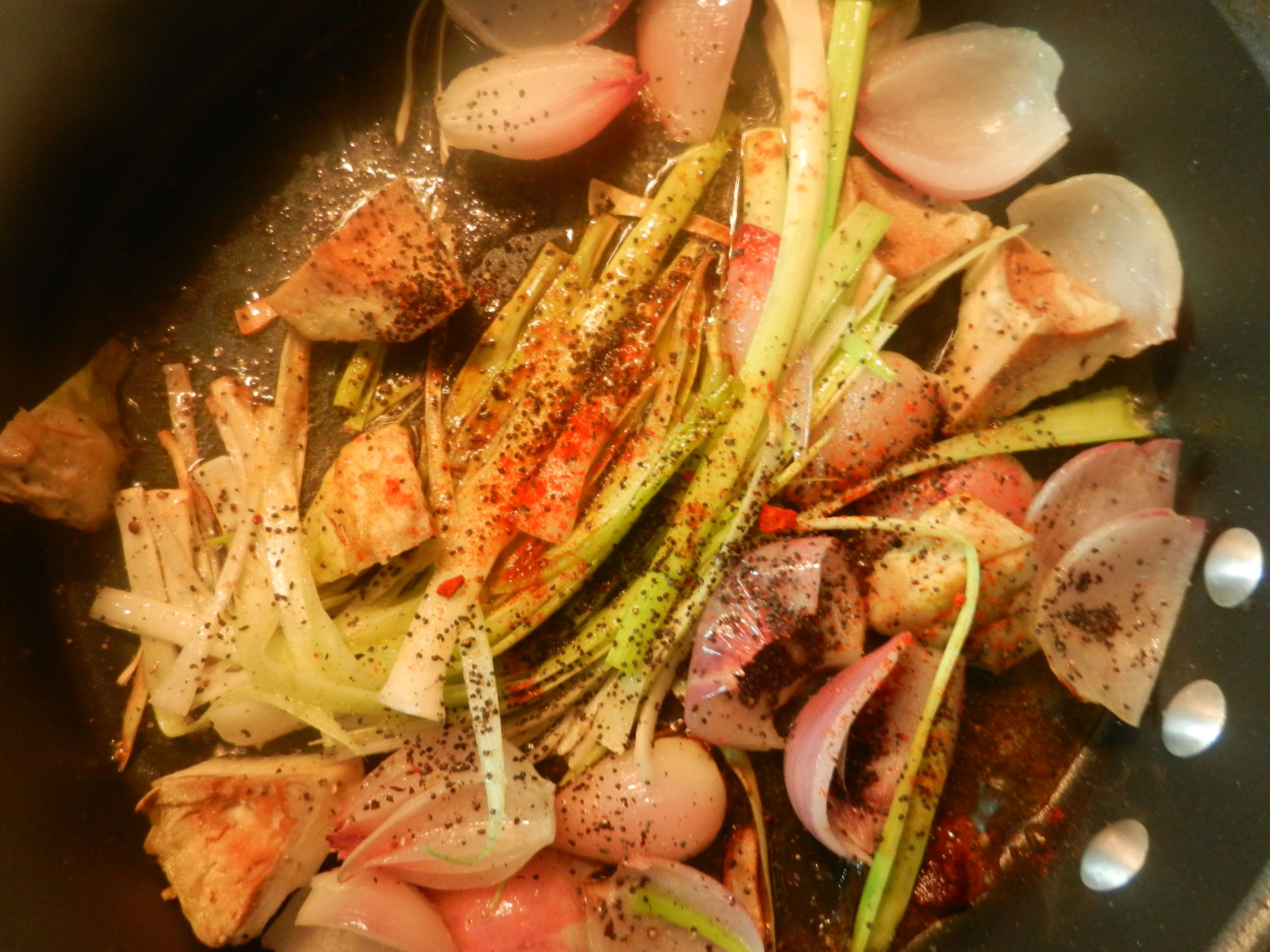
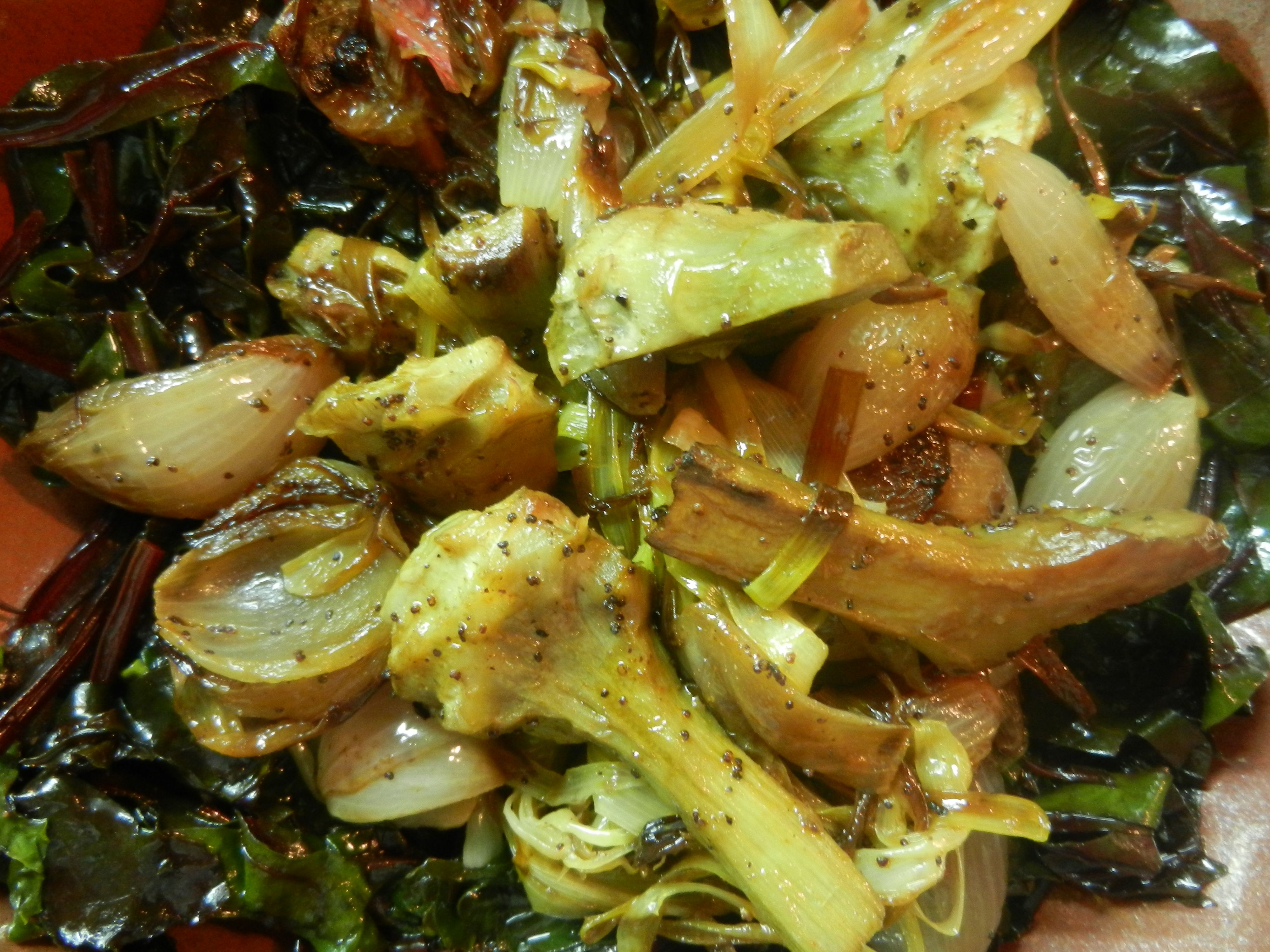
Bitter greens, artichokes, and shallots with poppy seeds

Adapted from Turquoise, by Greg and Lucy Malouf

Ingredients

  • ¼ cup extra-virgin olive oil
  • 6 fresh artichoke hearts, cut into quarter and kept in acidulated water
  • 12 small shallots, peeled and halved
  • 1 leek, white part only, cut lengthwise into thin strips and washed
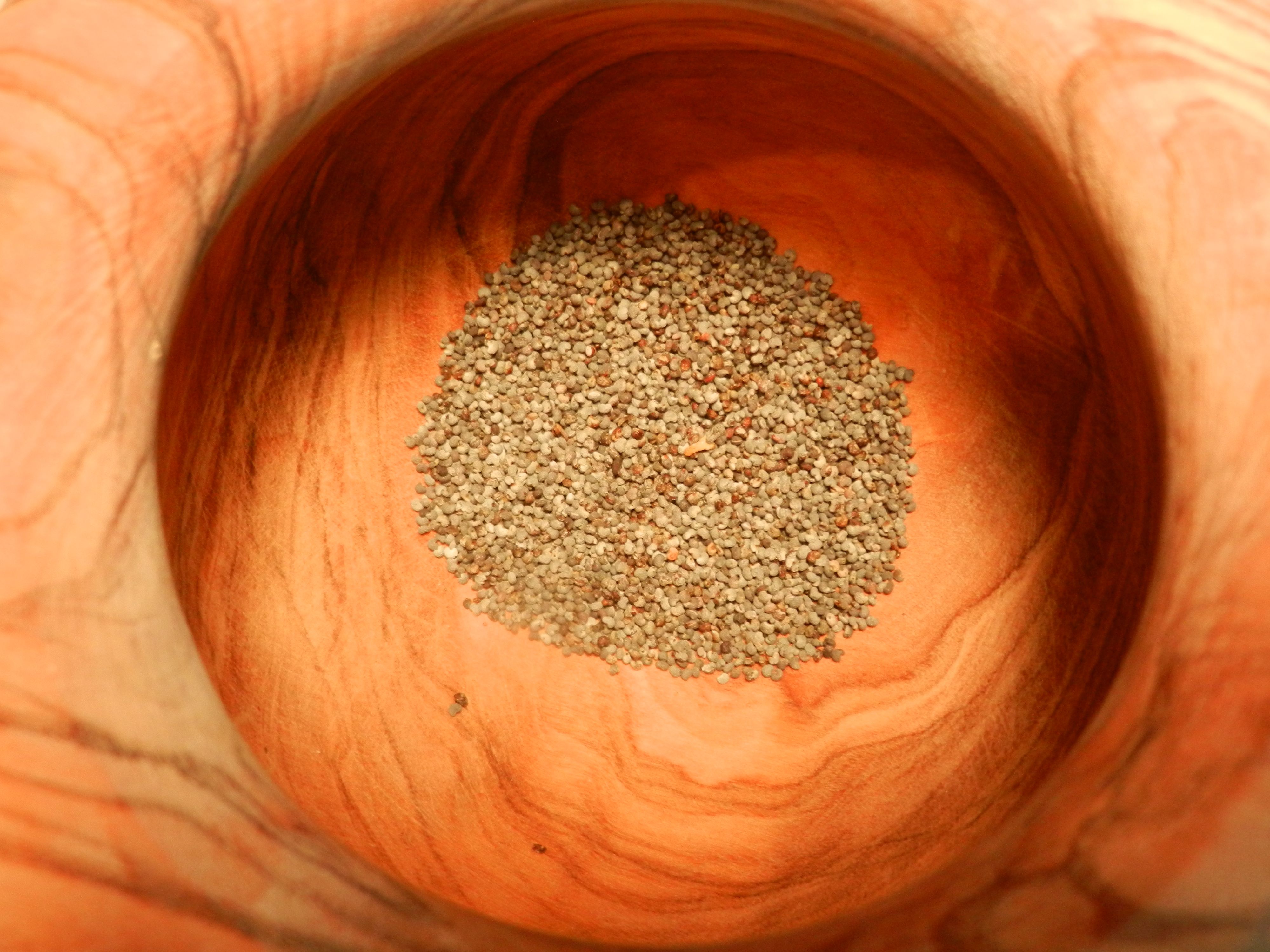
  • 1 teaspoon poppy seeds, lightly crushed
  • ¼ teaspoon hot paprika
  • ¼ teaspoon freshly ground black pepper
  • Ground sumac
  • 1 1/3 pounds chicory, roots trimmed
  • 5 ounces Swiss chard, shredded lengthwise
  • 5 ounces chicken stock
  • Squeeze of lemon juice
  • 2 ounces unsalted butter

Directions

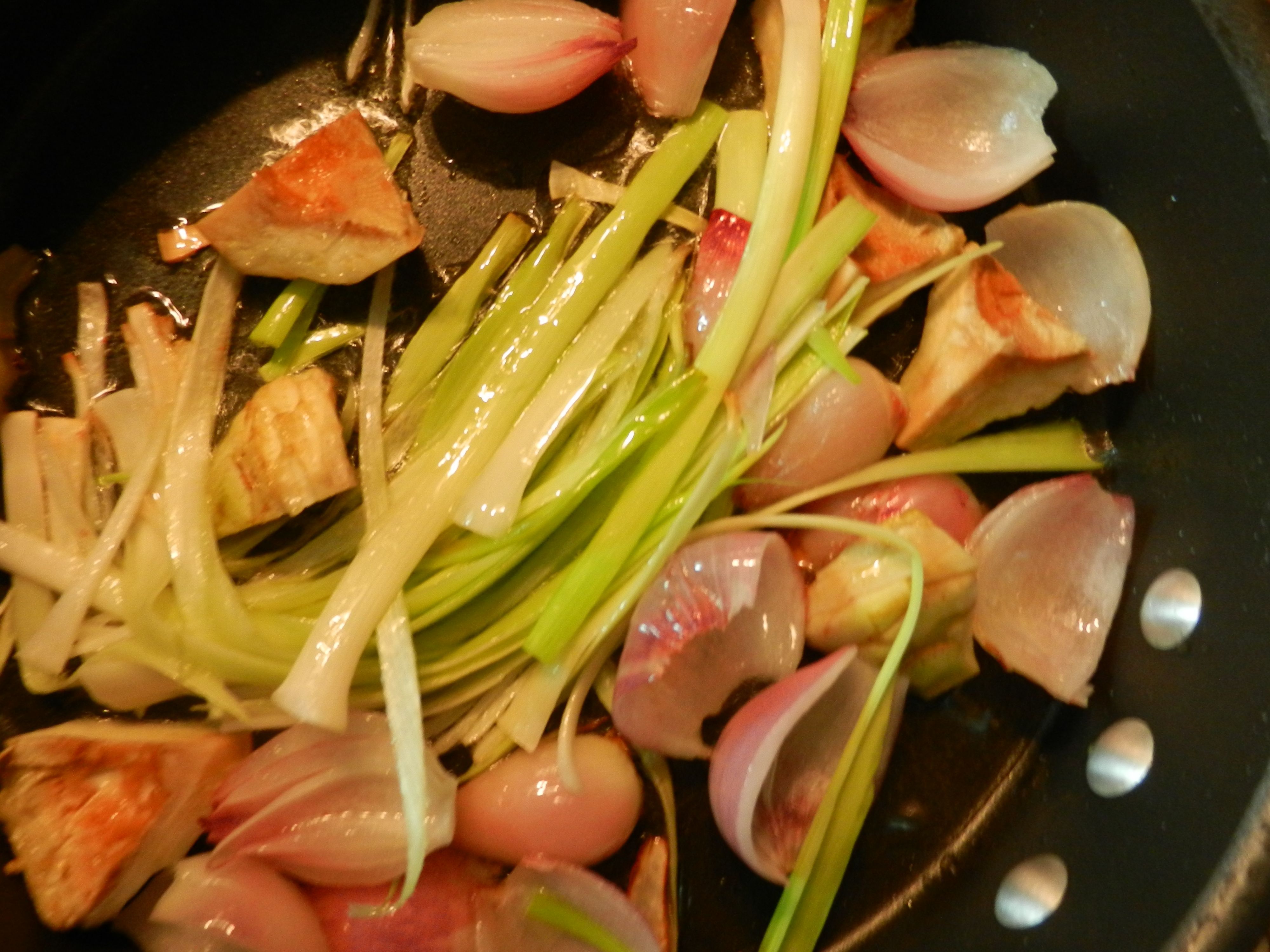
 Heat the oil in a heavy-based saucepan and add the drained artichokes, shallots and leek.  Saute over a low heat for a few minutes, then add the poppy seeds, paprika, pepper and 1 teaspoon sumac and cook for a further couple of minutes.  Add the chicory, Swiss chard and stock.  Bring to the boil, then lower the heat and simmer, uncovered, for 8-10 minutes until the artichokes and onions are tender.

Remove the pan from the heat, then stir in the lemon juice and butter well and put into a warmed serving bowl.  Sprinkle with a little more sumac and serve.

Serves 6

I prepared this using two separate pans to keep the beets from turning everything pink.  If you use chicory, kale, or endive, you can just use one pan.  I had never sauteed raw artichokes before and I love this method.  I will do this more often this winter.