The Great Salt Mountain

I discovered a new geographical feature today in Tunisia.  Utah has its Great Salt Lake and Salt Flats, but Monastir, Tunisia has a great salt mountain.

I have long wanted to answer my curious mind about how sea salt is produced.  I guess I pictured something like rivulets, hand-dug with wooden tools,  on a pristine beach, evaporating at the rate dictated by the sun and the wind.  The magical layer of fleur de sel occurring only when the sun and wind create the elusive but necessary conditions.  Well, the basic premise of that is correct, but the scale of production is exponentially magnified.

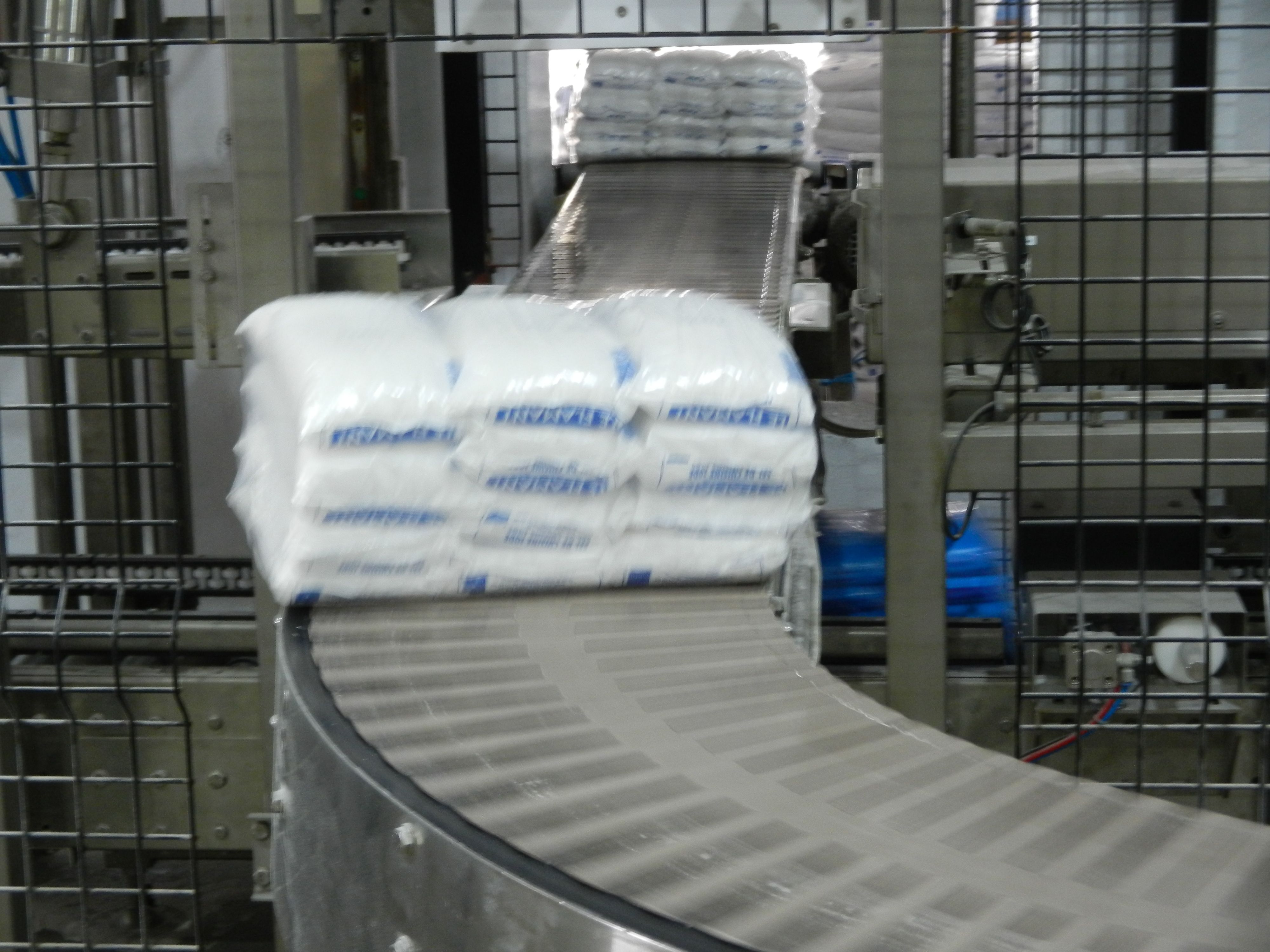
Here in Tunisia, the conditions are perfect for the production and harvest of sea salt only from May to September, with a peak window of about 5 weeks.  All of the salt gleaned from that harvet is augered into one enormous mountain that sits uncovered, outdoors and for the rest of the year, the business is all about processing, packaging, and distributing the product for sales.

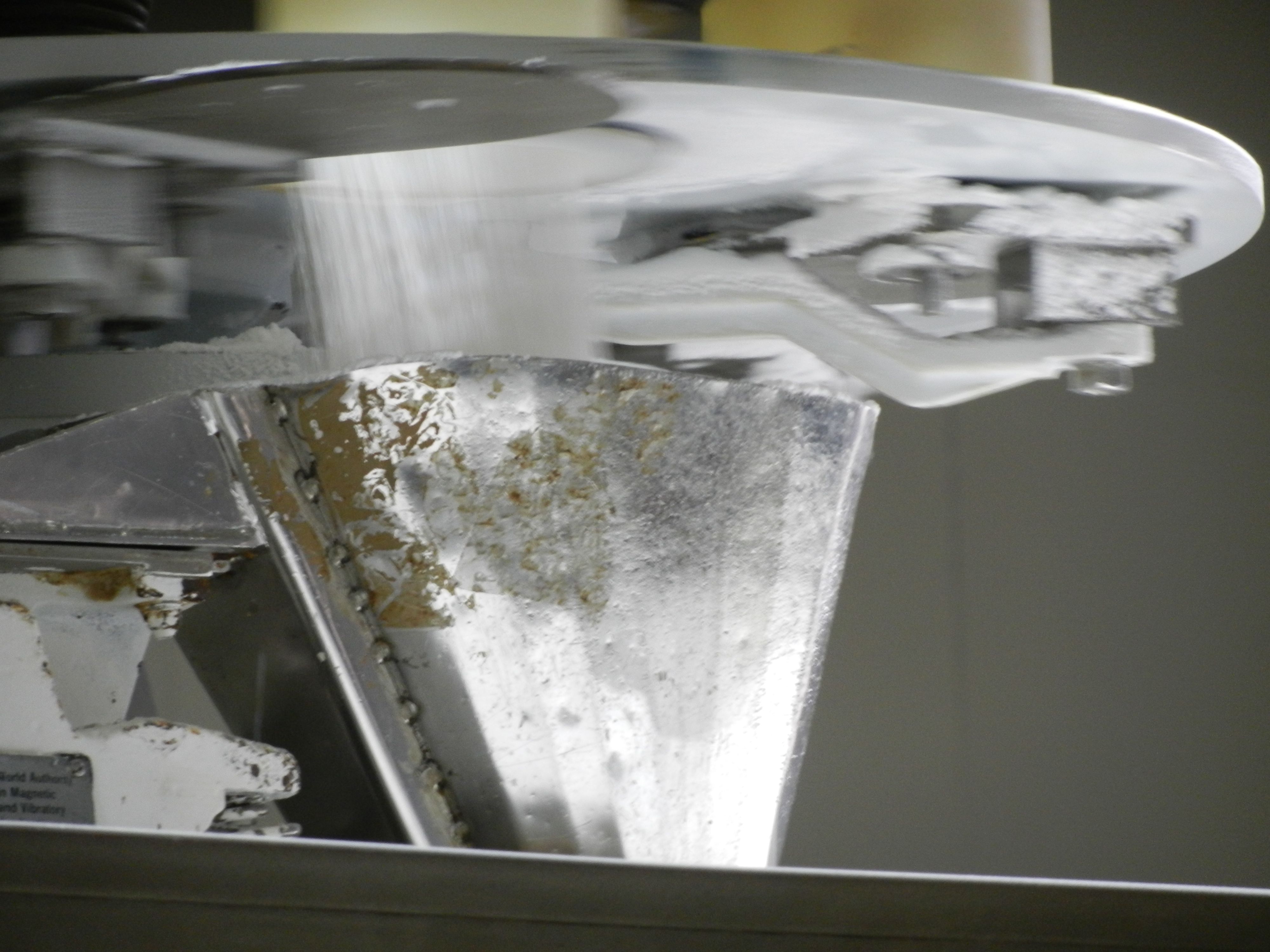
I saw the evaporation ponds where Mediterranean sea water is piped in and the evaporation takes place, but I was off season and didn’t get to observe the actual formation of the salt crystals.  Another visit will be in order in the summer.  Salt, however, clearly wanted to happen everywhere.  Anywhere drips of seawater were left unattended, salt wanted to emerge.  It also wanted to sift through the processing in fine salt hills that caught the next wind and made a salt blizzard in the air.
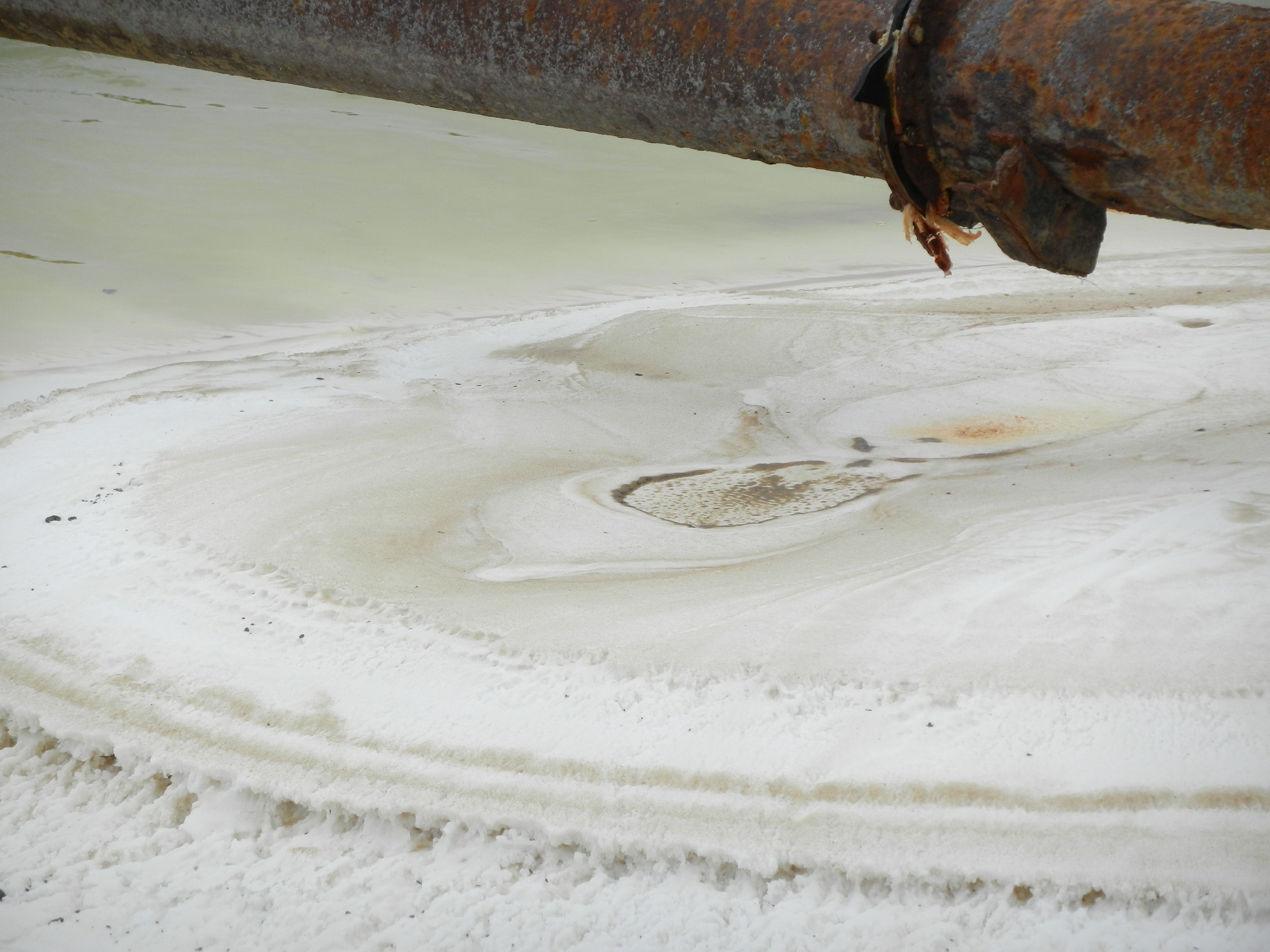
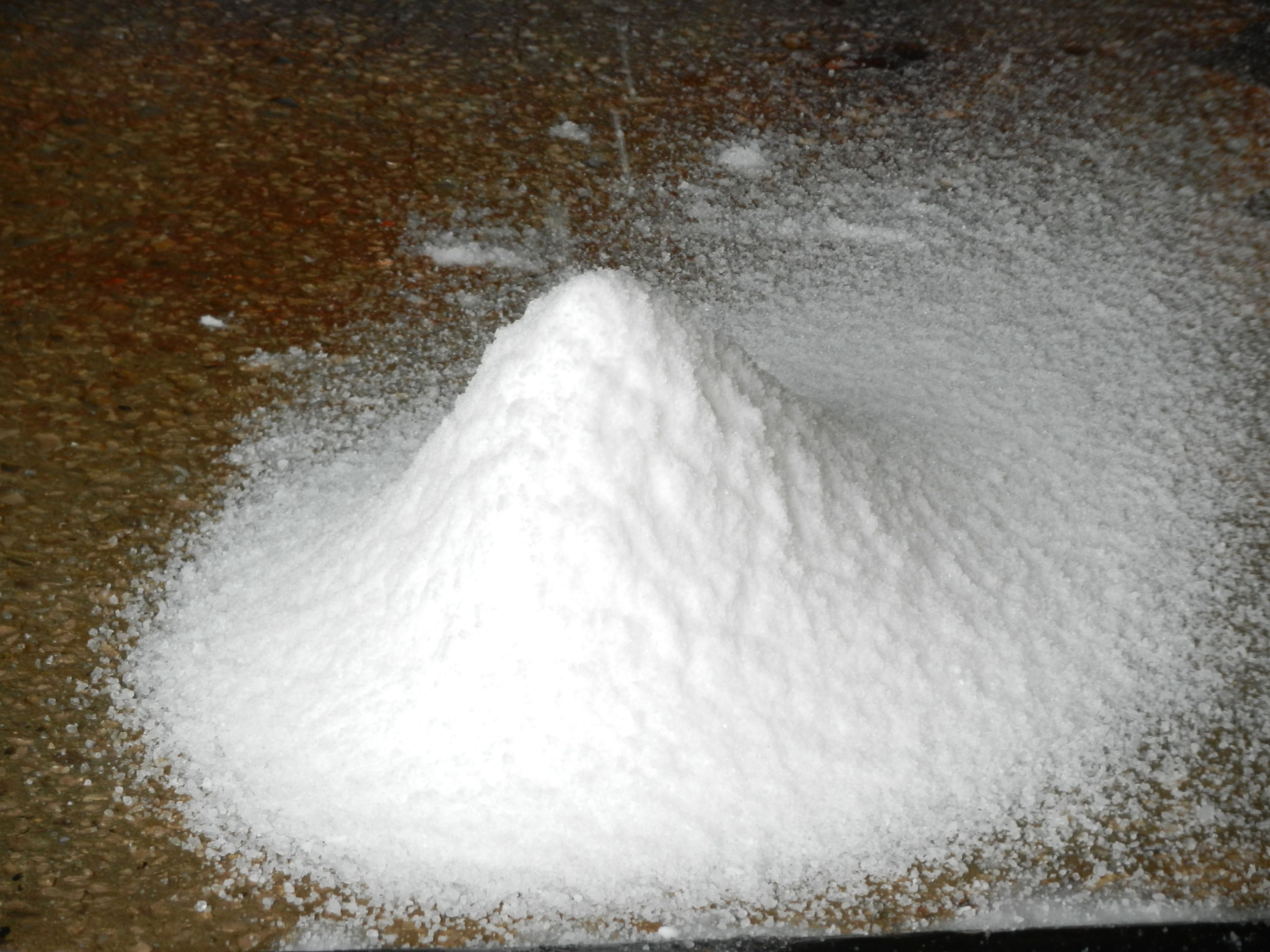
Our hosts at La Rose de Sel were so hospitable and we left them to continue digging away in their salty wonderland.  The references to snow are inescapable in the ways salt crystallizes, powders, and drifts.  It gets into every crack and crevice, filling the air, itself.  My hair wasn’t white when I left, but there was a fine dusting all over me, detected for hours every time  I licked my lips.

Raf Raf Tomato Sauce

          After about a week of daily rain and nearly hurricane force winds, everything calmed this weekend and for our Monday off of work for the Aid holiday it was like a summer day (in a place like the Northwest where it’s pleasantly hot in the summer).
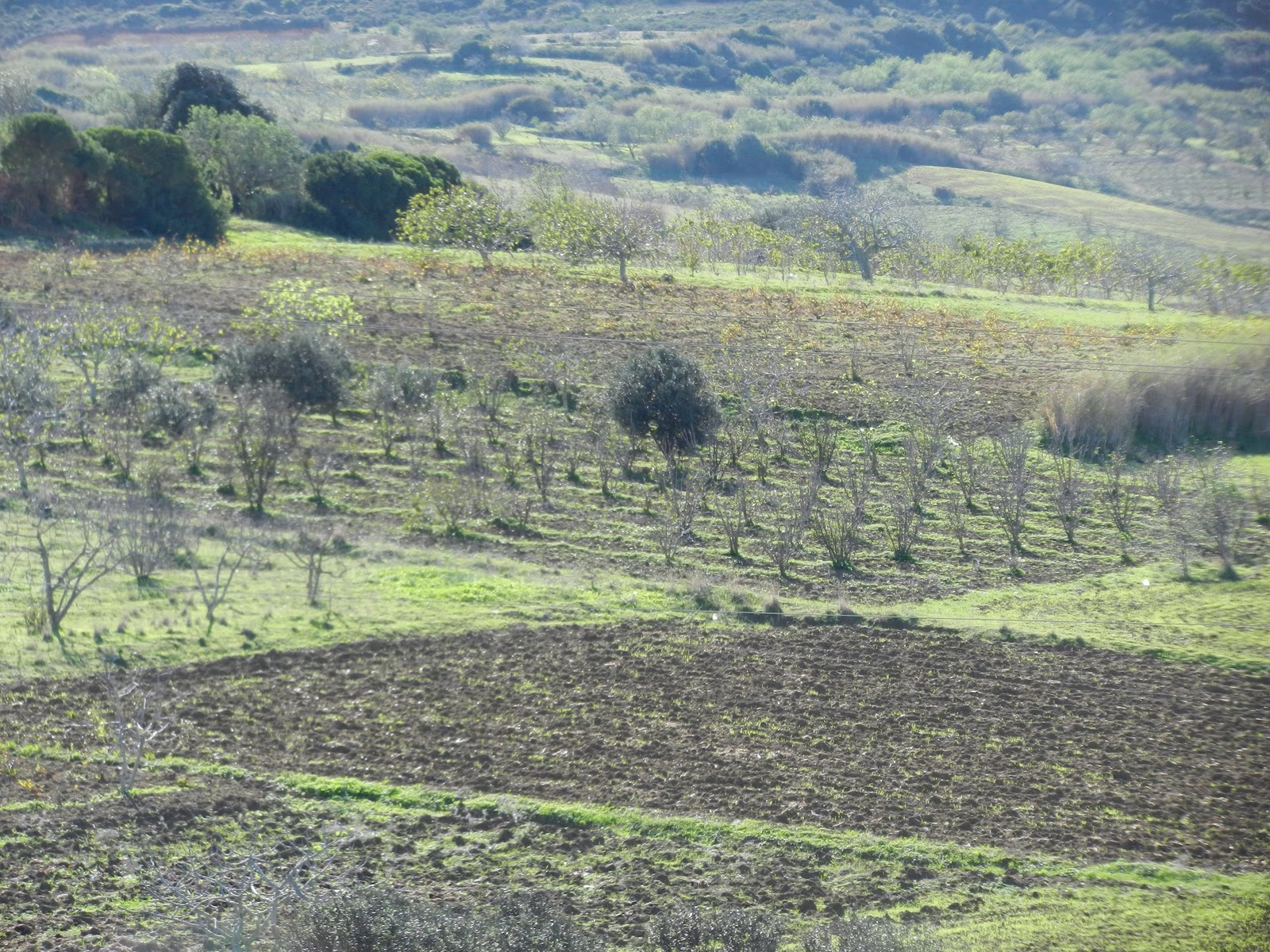
We took a driving trip into the countryside to the northern coastal towns of Raf Raf and Ghar El Melh.  The farms were like manicured gardens:  intensely planted and the soil was rich and nurtured.

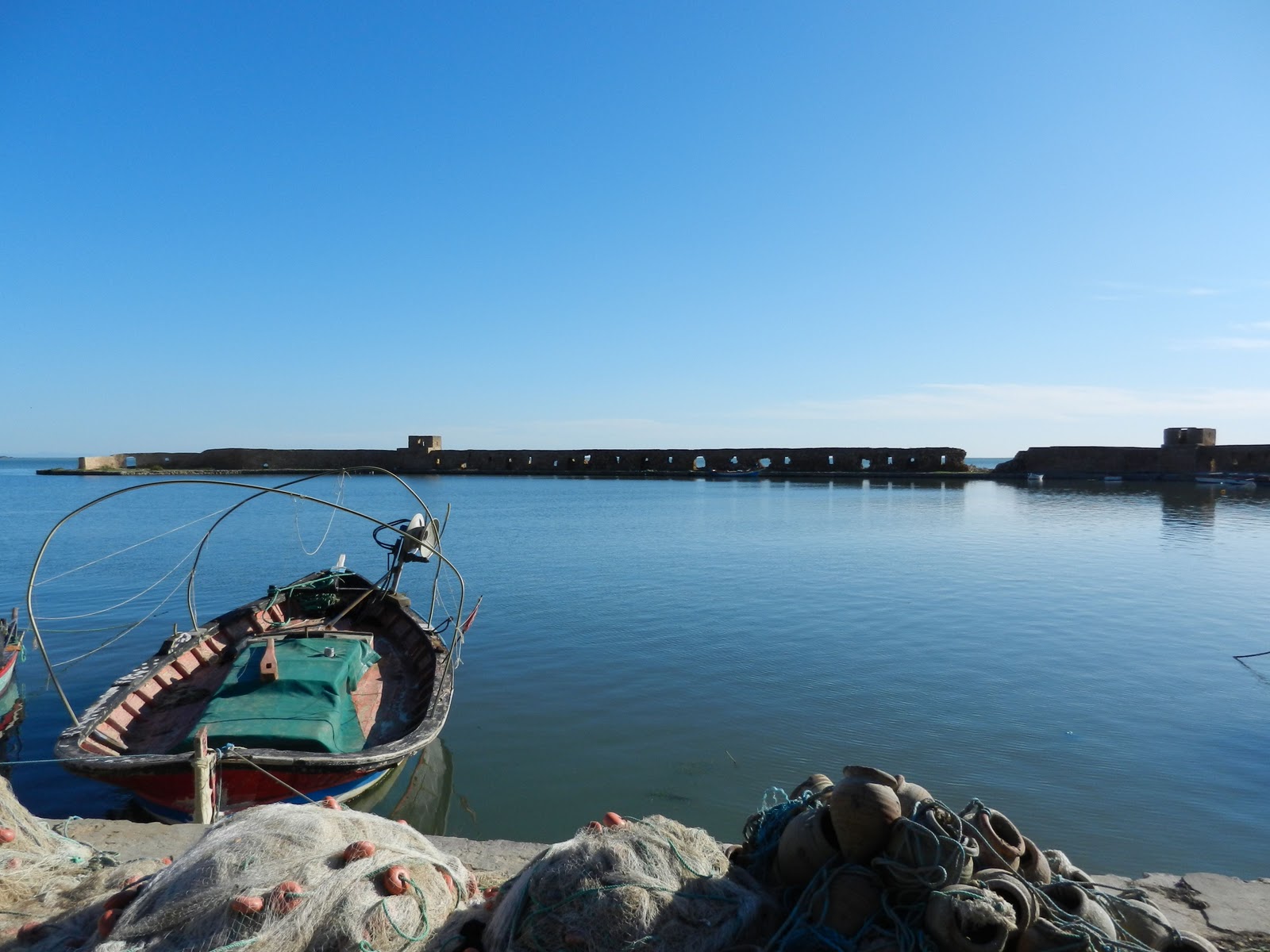
These towns are sleepy little fishing villages with a big history as posts of the pirates during the Ottoman occupation of the 17th century.

It was really quiet today, just some fishermen painting their boats and lots and lots of nice looking young men walking around and doing foolish stunts on motorbikes.  I think the young men in this country need more to do.   Maybe a lot of people are afraid that is true.
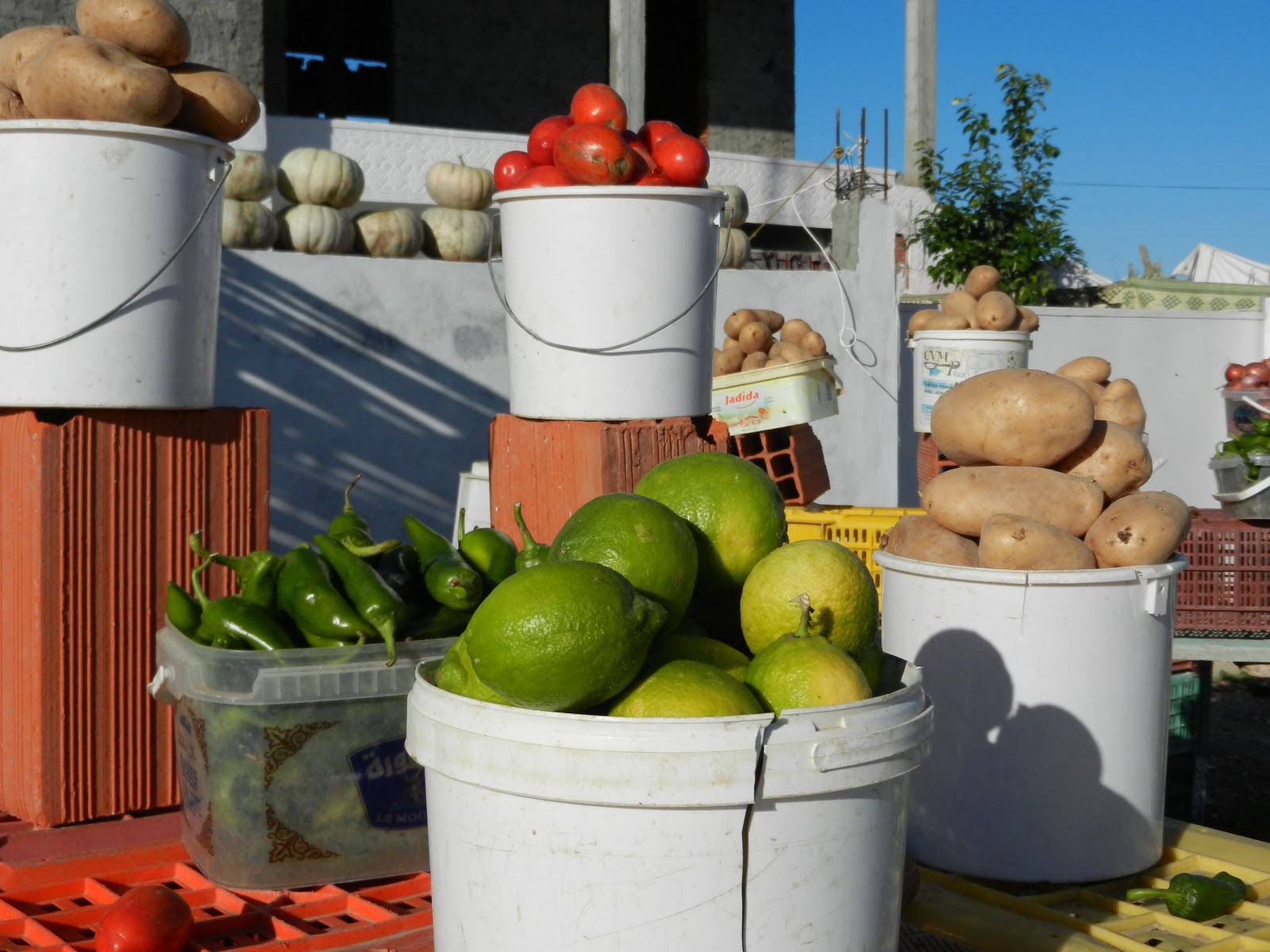
When I saw this roadside farmer’s stand I yelled STOP!  Look at this marketing idea, putting all of the produce into small buckets and displaying them on multi-leveled, multi-colored baskets.  You actually buy the produce by the bucket.  We bought two buckets of tomatoes, one of onions, one of peppers, and one of limes.

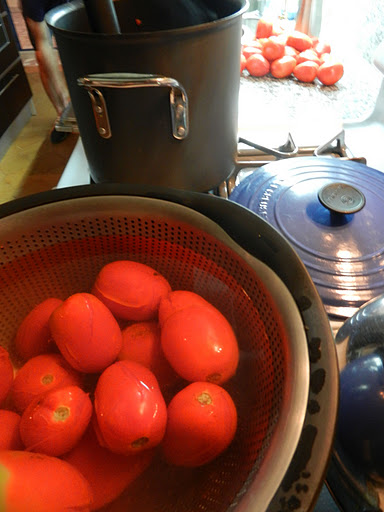
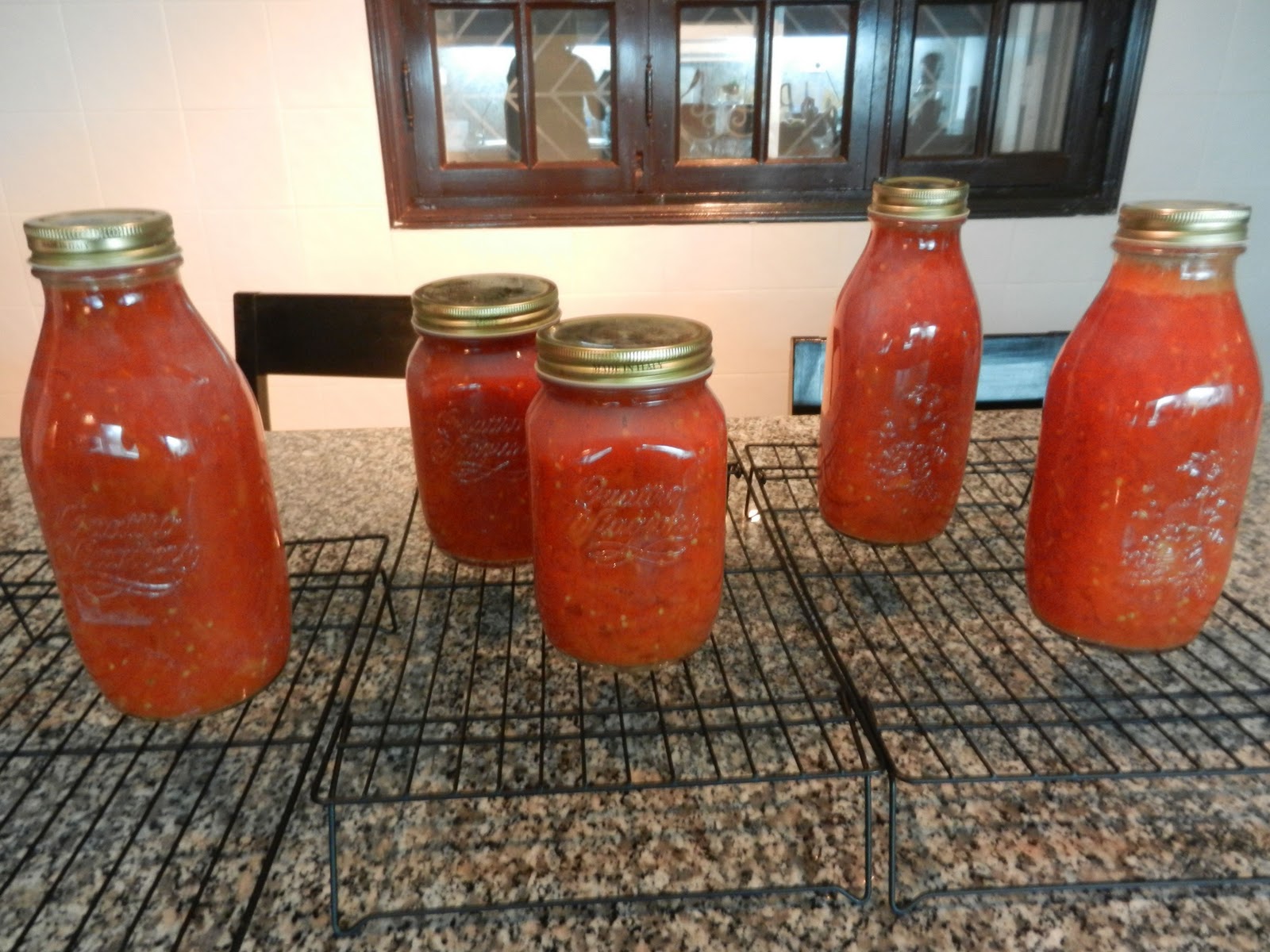
Upon returning home, we immediately rolled up our sleeves and began processing tomatoes.  The blog, Saving the Season, was very helpful in giving me a little sequence for getting them safely into jars.  We simply par boiled them in batches, chilled them on ice (until the ice ran out), peeled and chopped them, smashed and cooked them, and then put them into sterilized jars.  I sort of thought they would fill more jars than this, but then this is 1 1/4 gallons of processed tomatoes and that is a lot.

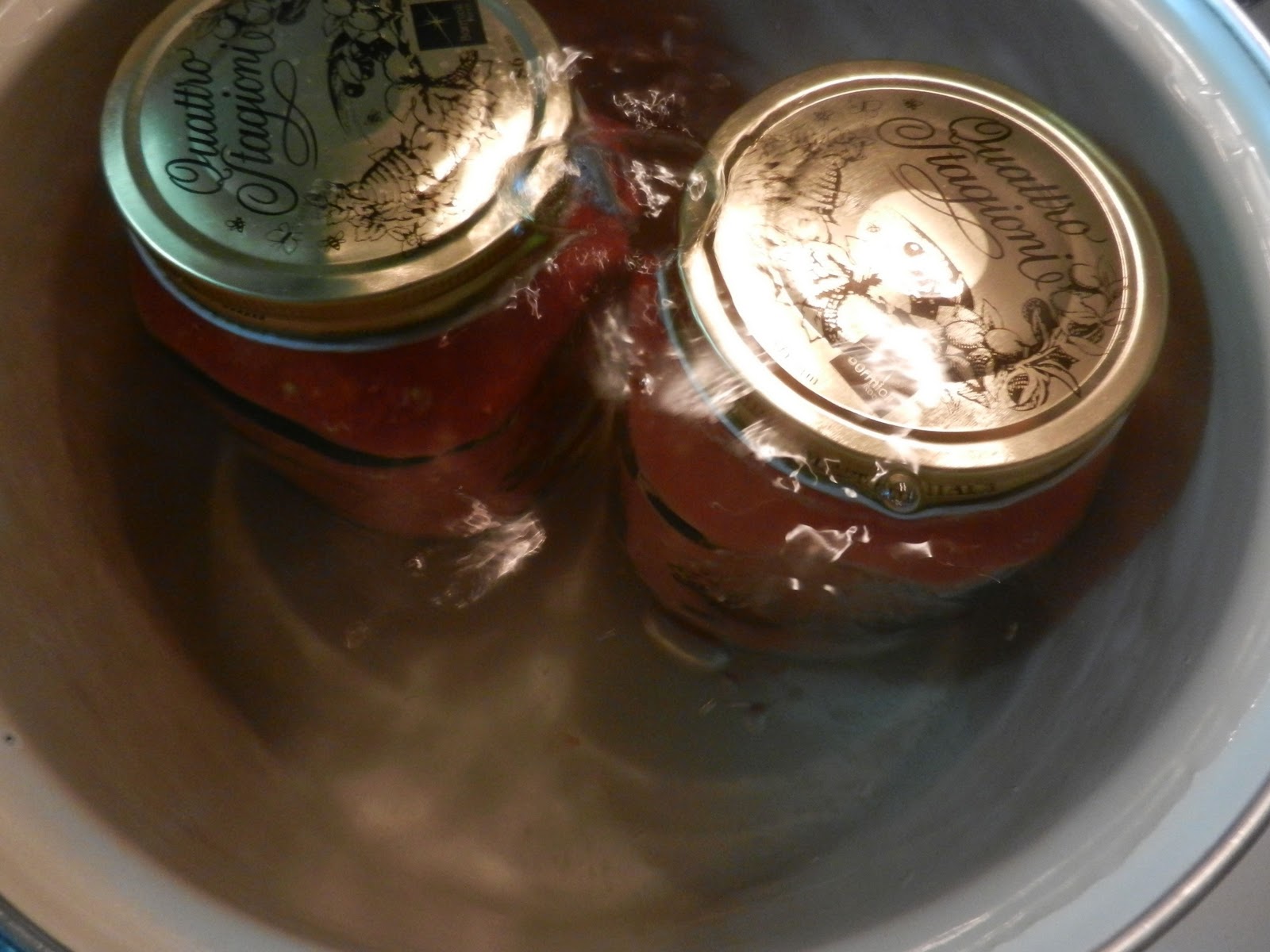
The final step is a 45 minute water bath and then the reward of every home canner:  the pop, pop, pop of the lids assuring her that the contents will be safe from botulism until she chooses to eat those tomatoes.