A Polish Country Dinner

RoosterGoogle Images

I was listening to The Splendid Table about a month ago when Lynn was interviewing Anne Applebaum who has authored a new cookbook: From a Polish Country House Kitchen:  90 Recipes for the Ultimate Comfort Food.  Visit this link to hear the podcast for yourself.    This was late January and we were up to our necks in root vegetables here in Tunis so I knew I would be able to identify with the book.

In 1988, Anne and her Polish husband, along with her inlaws, bought a broken down manor-house in Northwest Poland.  Over a decade, they renovated the house, along with the grounds and gardens, part of which was a large greenhouse.  Deer, wild boar, and geese can be hunted on the property and many types of fish are caught or farmed locally.  They preserve what they grow in the harvest season, in the traditional ways, and use what they have in the lean months in masterful ways.

I have been inspired and a little haunted by this Polish way of eating.  I was in Poland last winter and I still carry an unshakable sadness for one of the most tragic places I’ve ever been right next to a curiosity to more deeply know one of the quaintest and most beautiful places.

I was cooking this afternoon.  I needed four onions, but I only had two.  Rifling through the refrigerator, I found a bundle of leeks that had been stored for a couple of weeks.  They hadn’t yet been cleaned so they were still dirt caked and were also beginning to yellow on the outer layers.  A more finicky me would not have bothered with them and would have composted the entire bunch.  The compost can be a great rationalization sometimes when you just don’t want to bother with produce that will take a little work.  But, I needed the onions, now.  The produce shops were already closed for their afternoon siesta and I needed my dish to simmer in the meantime.  This is where the country cook comes through.  I washed and trimmed the leeks, finding plenty of good onion left to use and then slow-cooked them in a braise that was delicious.  I think that many of these old country recipes began from meats, vegetables, and fruit preserved using methods that were possible given the climate and technology of the time to provide foods of interest and variety in the bleak months, but since then, generations of cooks have refined the techniques until they have become exquisite dishes in their own rights.  They have evolved from necessity to art.

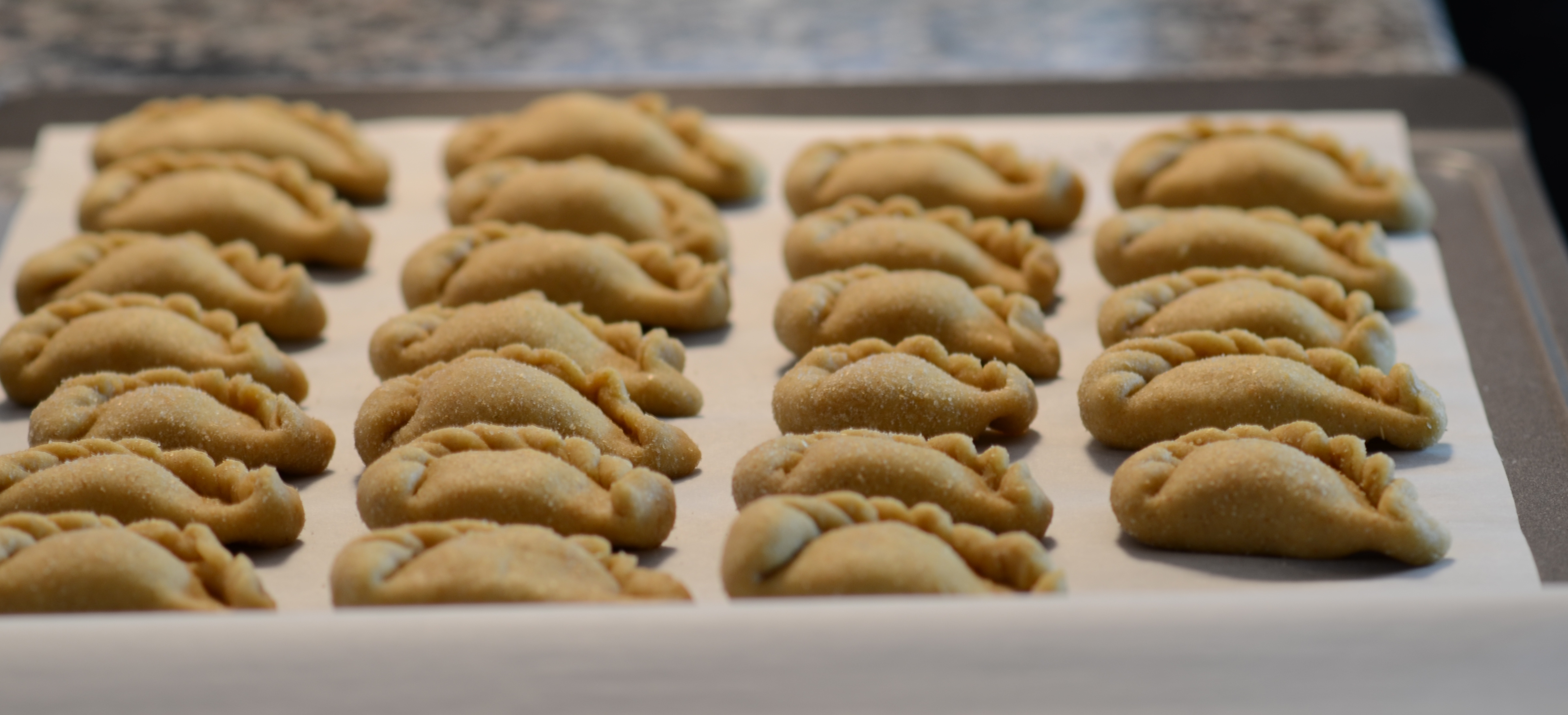
I became a little obsessed with the idea of cooking a Polish feast and I thought about it and planned it for weeks.  The atmosphere of the meal was simple with lots of candlelight, rough linens, and pottery,  and the menu was entirely Polish.  Here is what we had:

Blini with Smoked Salmon and Caviar
Barszcz or Borscht (the Russian name)
Pierogi:
     Potato and Ricotta, with Fresh Peas, and Bacon
     Sauerkraut and Wild Mushroom
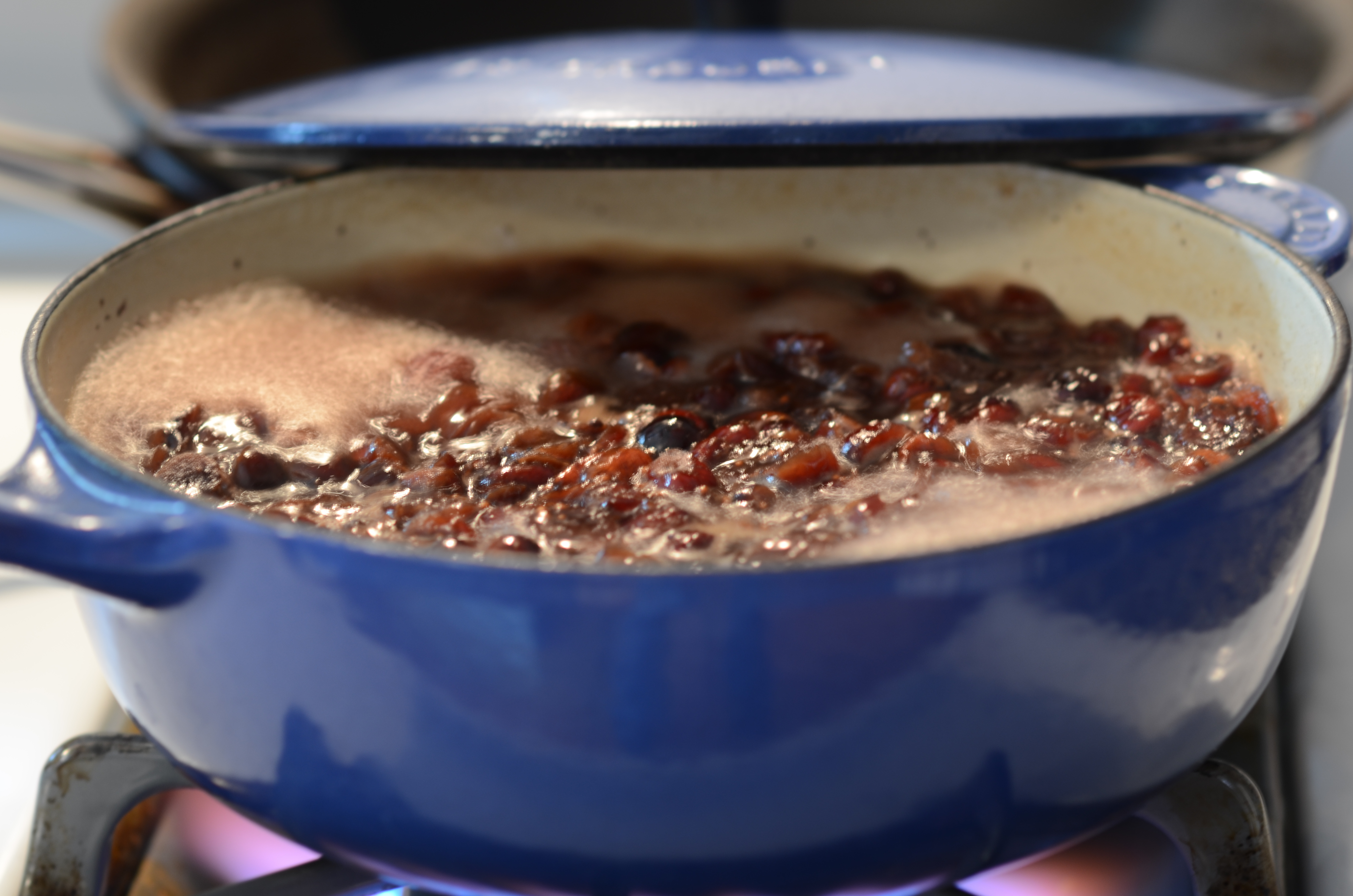
Braised Pork Shoulder with Sour Cherries
Brown Sugar Pavlova with Fresh Strawberries and Creme Fraiche
Mint Tea
 

Here are a few photos.

DSC_2828
shutter speed: LO, F:16, ISO: 1600
shutter speed: LO, F: 16, ISO: 1600

Cooking a disciplined dinner like this is really a massive laboratory exercise, especially when you are cooking recipes that are all new to you.  I learned many things.

1.  Even when you have stuffed the borscht stockpot, the massive one made for industrial kitchens, with beef on the bone, many, many onions, leeks, celery, beets, carrots, porcini mushrooms, and garlic,  simmered and simmered, and then reduced the final consume, it can still be a bit thin on body.  It wasn’t all that I expected, in the end, and I will keep trying to find “my recipe” that makes the borscht I am tasting in my head.

2.  After two complete pre-party pierogi run-through batches, I still prefer the peirogi dough recipe I referenced last summer when we were making crab peirogis.  The addition of sour cream or creme fraiche to the dough not only gives it a tender bite, but also makes the dough taste like more than flour.  Following is the abbreviated version.

Dough: 3 eggs, 8 ounces sour cream or creme fraiche, 3 cups all-purpose flour, 3/4 tsp. salt, 1 tablespoon baking powder

Blend all ingredients and 1 cup flour in mixer with a dough hook.  Gradually add remaining flour, 1/4 cup at a time, until dough pulls away from the bowl and is not too sticky to work with.  Beat dough a few minutes more, then let rest for 5 minutes before beginning to roll.

3.  If you find, like some Polish country cooks do, that moths have hatched an entire colony in your precious stash of dried sour cherries, cranberries work just as well.

4.  Not many people could tell you what Polish food is, but when they taste it, they love it.
Getting off Auto

DSC_2187

I want to take photos.  I am so weary and mortified by the silly representations of things and life I have posted on the internet.  I have gotten by with some close up trickery, but I don’t know what the heck I’m doing.  I took the plunge last summer and bought a true DSLR with a couple of lenses.  Having not had lenses before, I read research and then bought what I thought would be great for me:  an 85mm macro lens and a wide-angle zoom, something I have wanted for years for taking shots of my carpets and room interiors.  It turns out that I have lenses for two extremes now:  super close and super wide.  My son says it’s like I am trying to dig a hole and I have a teaspoon and a backhoe.  Surely, my next camera purchase will be a mid-range telephoto lens.

But lenses aren’t my biggest challenge.  Using the settings on my camera is.  I had an introduction to settings last fall through a technology class I was taking and now, some colleagues at school have formed a little club.  We meet once a month, bringing a photo to share along a certain theme or technique.  The first meeting in January, I brought a photo I had taken in Vienna in November.  It was nice and showed a good use of the “proportion of thirds”.  But at the end of the meeting, a fellow photographer tossed down the gauntlet, “Let’s always post our camera setting when we show our photos.”  I was outed.  I was still just shooting my new fancy camera on Auto.

Second meeting, the theme was “love”.  I figured out how to adjust my shutter speed and aperture and I did spend a couple of hours one Sunday afternoon photographing a still life of Tunisian food products I had gleaned from the countryside and the markets that weekend:  things I love.  I tried every aperture setting and a few different shutter speeds and in the end, I just had a picture of some food sitting on my kitchen counter.  I complained to my son, “I did all of this adjusting and I still didn’t get an amazing photo.”

He challenged, “Well, what were you trying to use the settings to do?”

I didn’t exactly know, and there was the problem.  It was getting late and I needed to email my photo to the organizer so she could make a slide show for the next day.  I said, “I just won’t go to the meeting.  I’ll wait until I know what I’m doing and can take a better photo.”

Again, my son, who has been a vocal performance major for the past three years said, “Yep, that’s what singers think, too.  They think they will just continue working on their own in a practice room and only come out when they are good enough.  It’s intimidating to go in front of your peers when you know you’re not very good, but you grow a lot by showing what you can do and also by studying their work.”

So I went to the meeting and I cringed when my photo came up, but I made a new vow to work at this.  It’s not just going to come easily to me, but I want the skill.  I am mortified, at the moment, because I can clearly see the difference between what I want and what I take, but hopefully, that vision will help take me toward a better photo.

This made me think about teaching children.  Sometimes I get frustrated with kids who won’t put aside trying to cover up their reading and writing deficiencies.  It looks obvious to me that a learner must just jump in and start practicing the skills at whatever level he or she is at.  That is the way to make progress.  But kids don’t automatically know that or believe you when you tell them that.  And as I relived this week, it is embarrassing to put your deficiencies out in front of peers.  It is good to have re-experienced this.  I hope I can keep that empathy with my struggling learners.

I am going to post photos here, frequently.  And I am going to post my settings as an act of accountability, until I find it so pretentious that I can’t do it anymore.  (All of these pictures were at a shutter speed of about 200 and aperture of 2.5-2.8).

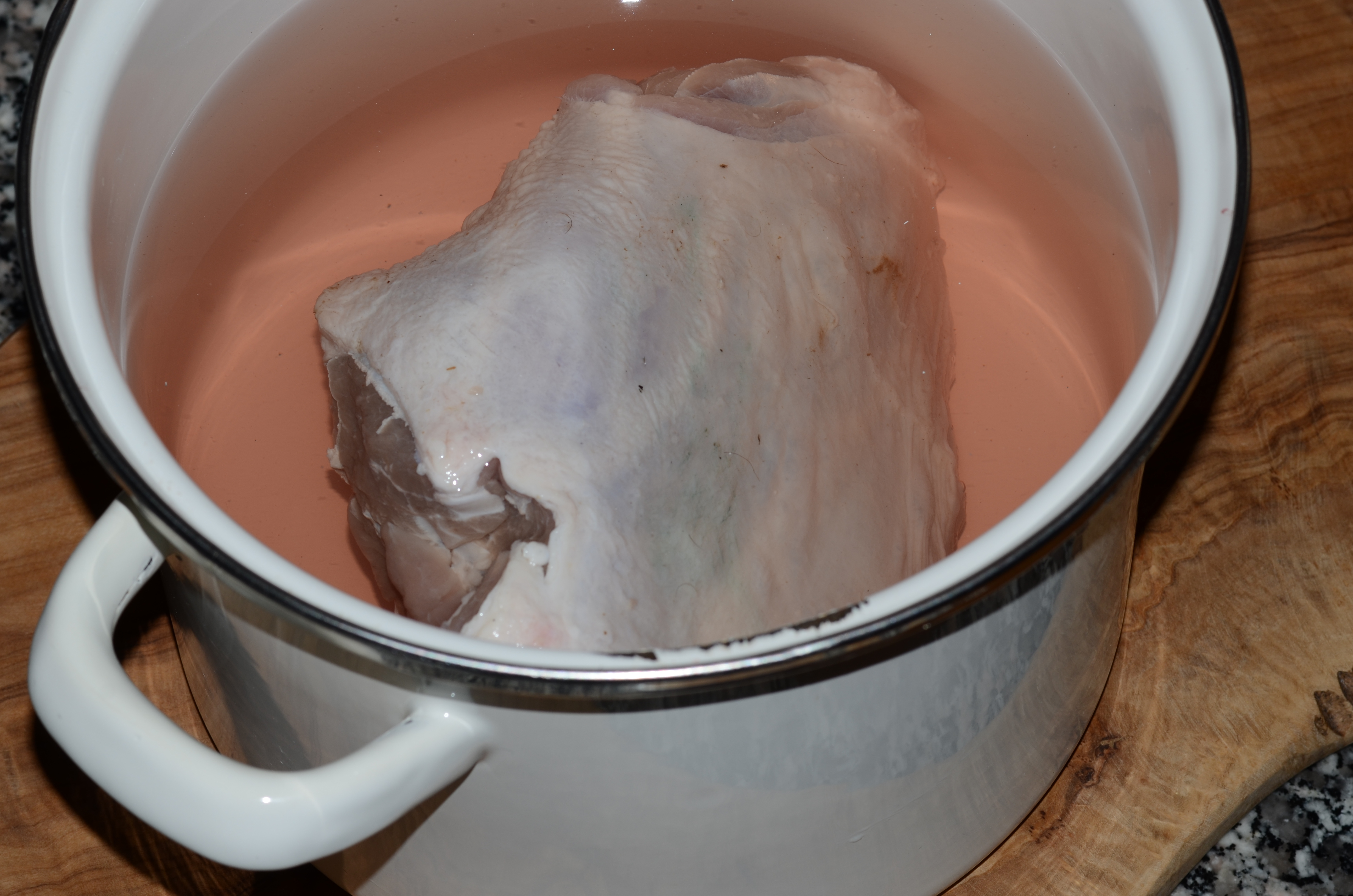
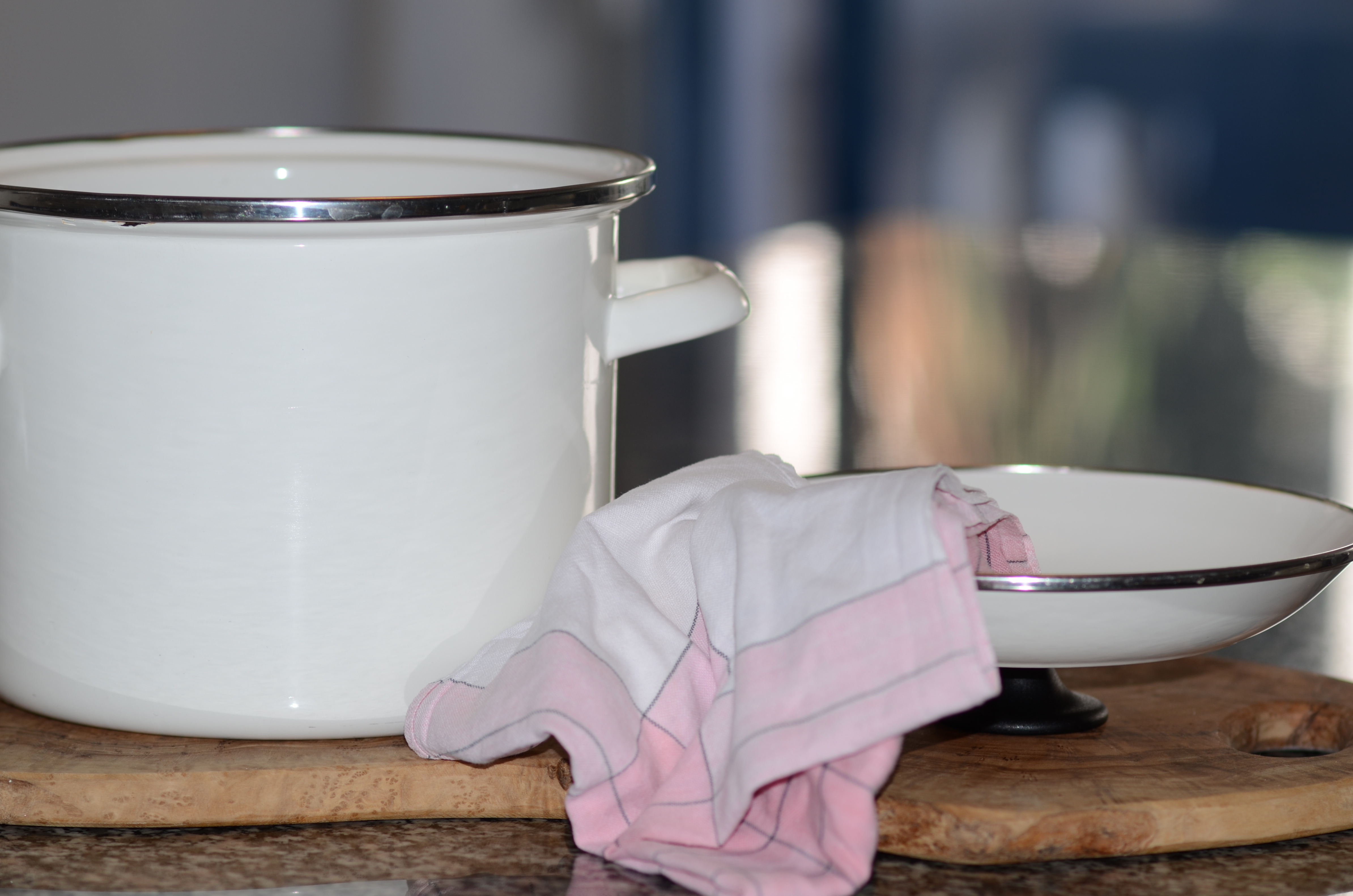
I have been brining this week and when I think of brining, I picture a 20 lb. turkey in a 5-gallon bucket set out in a cold garage a few days before Thanksgiving.  It was a small revelation to me that I could brine a smaller cut of meat, such as a lamb shoulder, in a pot that can nicely fit in my refrigerator.  It took nothing to mix some salt and sugar with water, plop in my piece of meat, and leave it for a couple of days.

Simple Brine

1/4 cup sugar, 3/4 cup kosher or course sea salt to 10 cups water


DSC_2197

This is the second of the fantastical broccoli found at the market this week.  Now and then, we get this purple-tinged variety and I try to find a use worthy of its beauty.

DSC_2216

Here is how I used both the brined lamb shoulder and the broccoli.  Bon Appetit did an article, in the February issue,  on the Saltimporten Canteen in Malmo, Sweden.  The intent of this sliding-metal-door-fronted restaurant is to bring up the simple qualities of excellent ingredients, without much culinary trickery.  That is something I need reminding of in both food and photographs.  I would love to enjoy this Lamb and Broccoli Stew on a cold Saturday, sitting outdoors at long wooden tables with fun people.

Chickpea Soup with Broccoli

The market had exotic broccoli last weekend.  I am always enamored by Romanesco or fractal broccoli whenever I find it.  The flavor is right in between cauliflower and broccoli and the pretty Christmas tree shape fascinates me.  I cooked a platter of them on Christmas day in Umbria, I think there were 7,  and the science teacher/students in our group examined them all around for the Fibonacci numberness of their composition.

Fractal_Broccoli

Photo courtesy PDPhoto.org

I sometimes wonder why we don’t consistently have broccoli here as we do cauliflower.  After living in South Asia, however, I think it is just that cauliflower is such a more durable product than broccoli.  It could be the bleakest height of winter in Kathmandu, but the vegetable peddlers,  selling vegetables from homemade metal baskets on the sides of their bicycles, would have huge snowy heads of cauliflower that had been transported into the city via open-bed trucks, not unlike cord wood.  I love the term truck-farmer, and here, farmers actually fill the beds of their trucks with produce:  at the moment, oranges, and then sit by the roadside with scales selling directly off the bed, all day.

We had buttery chickpea soups in Italy that were so good they elicited some sort of vocalization from you with every bite.  This recipe is worthy of your best imported chickpeas, but it is also just fine made with canned ones, which will allow you to make it at the end of a good long day of work.

Chickpea Soup

Bon Appetit, February 2013

1 1/2 cups dried chickpeas, or 3 15-oz cans chickpeas, rinsed

3 Tbsp. olive oil

2 large onions, coarsely chopped

4 garlic cloves, chopped

1 sprig thyme

1/2 cup dry white wine

4 cups vegetable (or chicken) broth

Sea salt

1 bunch broccoli, stems reserved for another use, cut into small florets

Flat-leaf parsley and fresh tarragon leaves (for garnish)

6 servings

If using dried chickpeas, place in a medium bowl and add cold water to cover by 2″.  Let soak overnight in refrigerator.  Drain chickpeas.

Heat oil in a large heavy pot over medium heat.  Add onions, garlic, and thyme sprig; cook, stirring occasionally, until onions are soft, 10-15 minutes.  Add chickpeas and wine.  Bring to a rapid simmer;  cook until wine is reduced by half, about 2 minutes.  Add broth and bring to a boil.  Reduce heat, cover, and simmer until chickpeas are very soft, 1 1/2 -2 hours for dried chick peas, or about 30 minutes for canned.  Discard thyme sprig.

Working in batches, puree chickpea mixture in a blender or with an immersion blender, adding water by 1/2 cupfuls if needed, until smooth.  Season with salt.  Chickpea soup can be made 1 day ahead.  Let cool;  cover and chill.

Meanwhile, cook broccoli in a large pot of boiling salted water until crisp-tender, about 4 minutes.  Drain; rinse under cold water.

Reheat soup.  Divide soup among bowls and garnish with broccoli and herbs or drizzle with chili oil.

Chickpea Soup w: Broccoli

Dodging Bullets

Such a strange, strange week.  It began first thing on Monday morning.  Allan is usually up before me on weekdays, checking news and email.  On Monday, he immediately woke me up with the words you dread to hear no matter where you live, “Get up, your Mom is in the hospital.”  All we had at that time was an email from my niece, giving us what they knew at that point:  My dad had called an ambulance on Friday when my mom suffered her third spell that week of shortness of breath, dizziness, and chest pains.

It was too late for me to call anyone in Montana at their time of night so I had to wait until the end of my work day to call home.  In the evening, I finally reached my dad in Mom’s hospital room.  He said it wasn’t clear to the doctors that she was suffering from a heart attack so they had been systematically checking everything from her brain, to her lungs, to her heart.  He sounded so sad and exhausted.

My parents have been married for over 65 years.  They are both in their mid 80s.  They have each had some surprise medical emergencies, but because they are so clear-minded and committed to their life together, they have helped each other and manage to maintain a happy level of independence.  It is unimaginable that one would be without the other.  The entire day I had to wait to get information about Mom, I thought about this.  At 51, I still live in the luxuriously naive state of assuming my parents are going to continue to be OK, that they will be there to answer the phone when I call every Sunday.  I know other people have parents who have died and one carried on without the other, but that isn’t possible for my parents.  They need each other.

Mom and Dad 2

In the end, the doctors couldn’t find anything they thought they could improve through surgery:  good news.  They gave Dad some tools and strategies to help her at home if she has another attack where she can’t breath:  also good news.  They didn’t make the possibility of this happening again go away:  less good, but livable.  By Thursday, they got to go home together to their comfortable house, now with an oxygen tank, but sleeping in their own bed and carrying on the sweet life they have.  We were saved.

But then Wednesday, we had a political assassination here in Tunis, something practically unheard of in this country where citizens don’t own firearms.  The man killed was Chokri Belaid, leader of the secularist party in opposition to the increasingly unpopular Islamist party which is in control of the government at the moment.  We don’t yet know who killed him, but it looks bad for the Islamists.  On Friday, the day of his funeral, an almighty wail went up from Tunisia.  Possibly close to 1,000,000 people thronged to the cemetery.  Thugs, terrorists, and opportunists also went and burned cars, beat people, and stole whatever they could get their hands on.  It was both sad and ugly.

Degage

Photo by Gabel Bredy

As sometimes happens, maybe some good can come from this.  The prime minister has vowed to replace the political appointees in the government cabinet with technocrats who should be able to more effectively keep the country running while the government figures out the new constitution.  His own party is against the idea, but they might have to back him up or risk throwing Tunisia back into a full-fledged revolution.  This week will be telling.

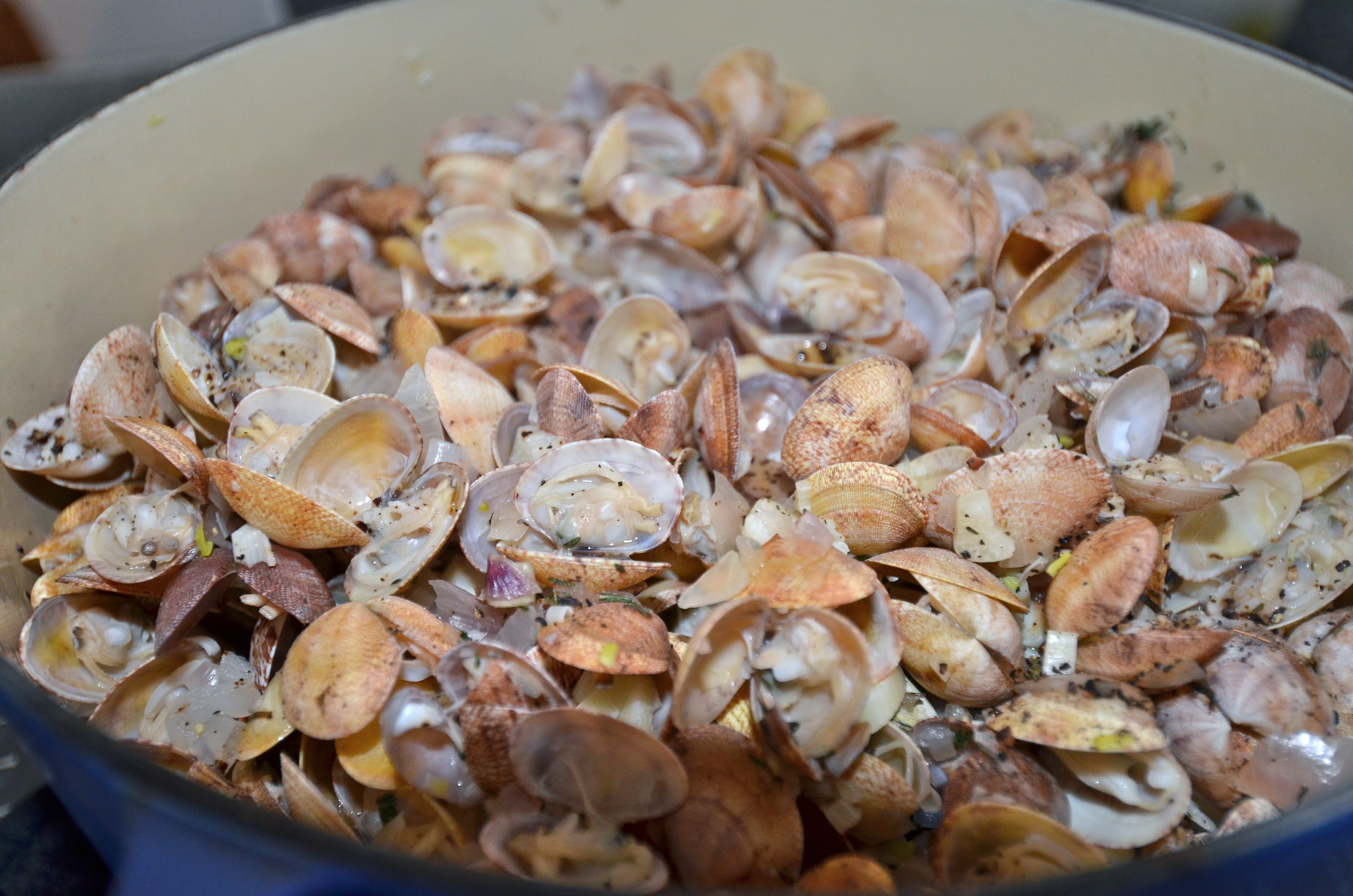
Finally, the weather turned unusually cold, with low temperatures, wind, and icy rain.  Compared to the weather in New England at the moment, this is nothing, but it did add to the unsettling atmosphere of the week.  We found some teeny, tiny Mediterranean clams at the market on Saturday called tellines.  They are so little and delicate compared to our Northwest clams.  We steamed them in the Provencal style of shallots, garlic, lemon, butter, cracked black pepper,  and a bottle of good white wine.  Picking through ladles full of these delicacies, and dipping chewy, buttered bread into the broth, calmed our nerves.

Telline

I won’t try to tie it up in a nice bow.  It was an odd week.  It could have gone differently,  but we experienced some grace within it.

Saha

DSC_0857

My youngest son said this week, “I haven’t read your blog in forever.”  I told him I hadn’t really posted anything since November and that post was entitled “Things that Stain”.  Silence.  “Wow Mom, that’s a little Goth.”  I agreed that it did reflect a time-specific state of mind.

When I think back to that time, I feel like a small airplane in the big, Montana sky, quite solitary and small and sounding like a fly buzzing in the distance.  Then, I start to sputter and cough some dark smoke and almost unnoticed, I spiral out of the sky and crash into a farmer’s field creating just a little poof of dust.  It was devastating to me, but the world pretty much just went on.

I have a friend named Dan who has known Allan and me for 30 years.  When we have just made some big life change, like having a child or moving, he has asked us if this is a new paragraph, chapter or book in our lives.  I have definitely experienced a life change in the past 5 months and my answer is teetering between a new chapter or possibly, even, a new book, it was that big.  Strangely, I was right here the whole time, but my world swirled in change around me and I came to see that ways I thought I understood people were not only incorrect at that moment, but had likely never been correct.  Dan also pointed that out to me and it was one of the most useful observations I’ve ever received.  It helped me stop fighting behaviors I thought were uncharacteristic of people and begin telling myself that I don’t know how they are thinking.  And with that, I could stop trying to make sense of it.  I think it has altered my perceptions of people forever.

DSC_0855

This year was supposed to be my “bump” year.  I have a justifiable theory that the third year you live somewhere is the year when all of the hard work that went into making the changes required by a move pays off.  You get to finally just live in a place rather than constantly discover or adapt to it.  After last fall, I dismissed any hopes of a bump year.  Everything looked like tearing apart and rebuilding, no staying still and enjoying.

But then, a number of things and people started getting better, including me.  A counselor who has worked with our school on PTSD made a simple but profound statement:  People will spontaneously get better.  We slogged through a Christmas season with pasted-on smiles and nearly trampled one another to get to the airport to go someplace else for a few weeks, but amazingly, many people were really happy to get back here to their Tunisian homes and our school and each other.  I was.

DSC_0894

I asked Allan a week or so ago how the new hires are doing in their waiting period and he said, “Great, do you want to see them?” and he started pulling up an info. sheet he had made about them on his computer.

I said, “No, not yet.” Very soon, all of those new people will become a priority for me as we work to greet, settle and integrate them into our school community and Tunisia, but at that moment,  I was just sensing the beginning of being able to simply converse with people I’ve groomed friendships with for two years and longer.  We were finally eating lunch together, again.  We were starting to laugh and plan little outings.  I wanted to have one season, at least, in the present before we have to start taking things apart this spring and saying goodbyes.  It made me think of the song Blue Umbrella, by John Prine?

Just give me one good reason
And I promise I won't ask you any more.
Just give me one extra season
So I can figure out the other four.

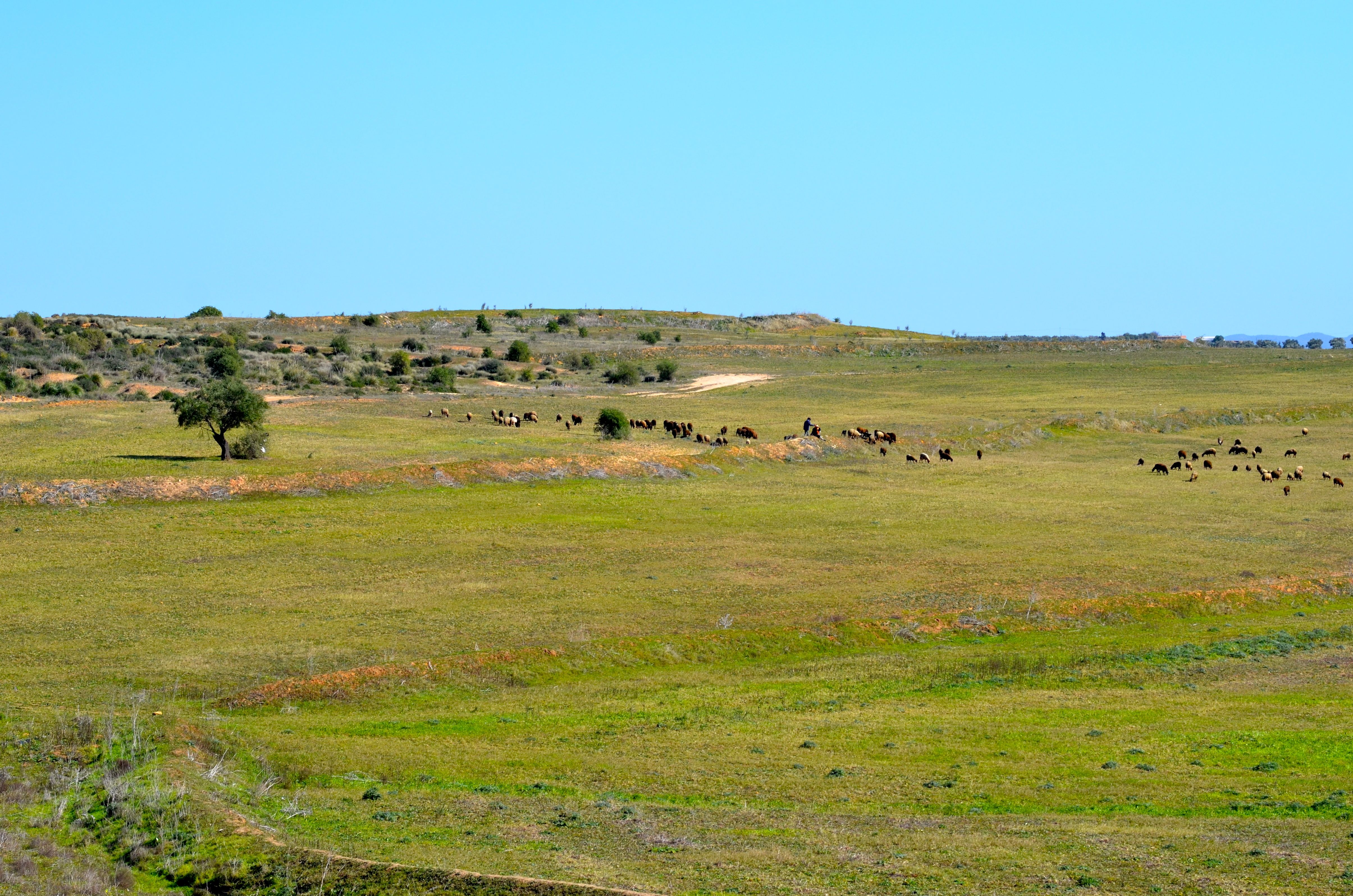
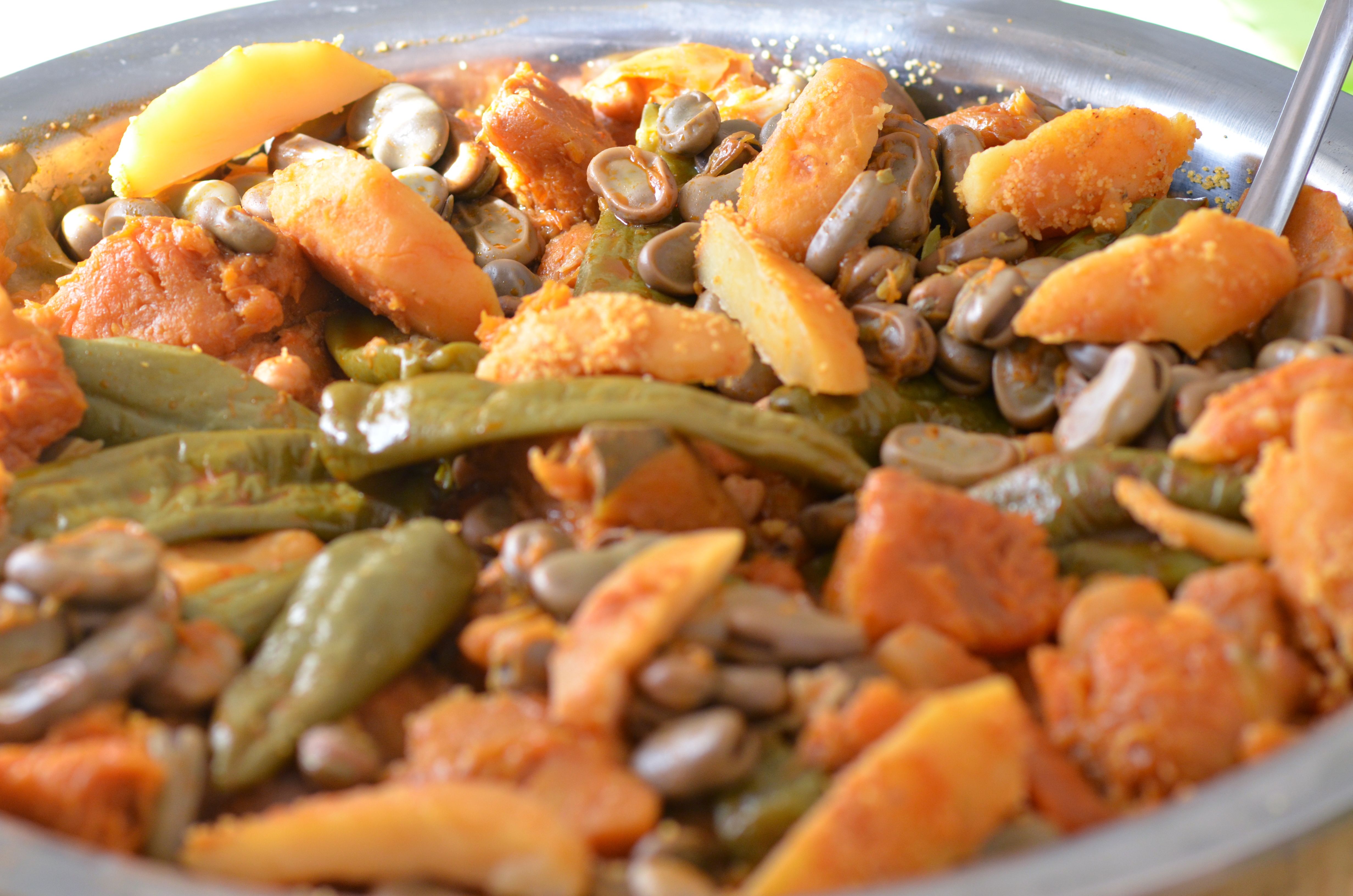
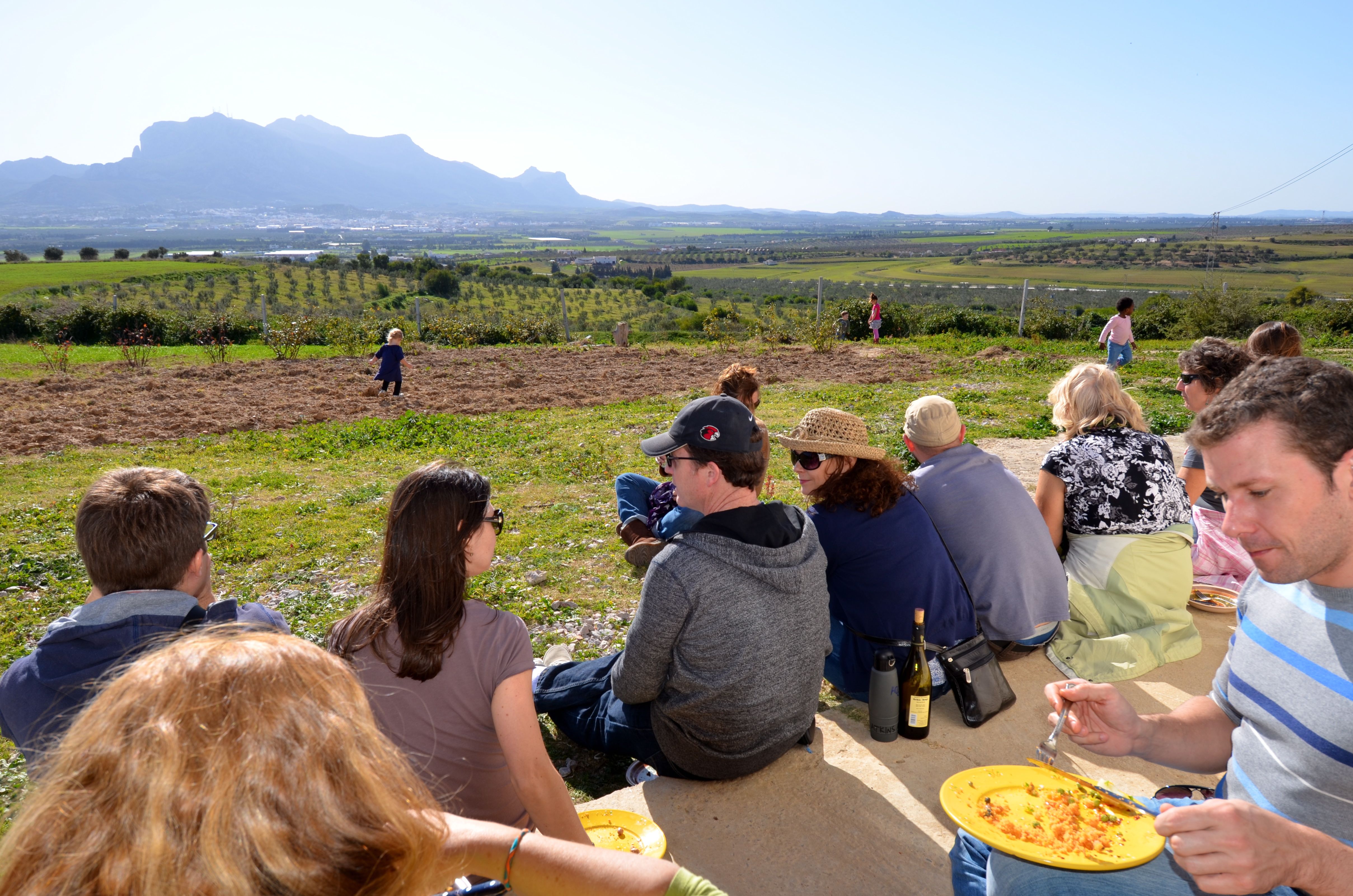
I think I’m going to get my season.   A few of us had a soul-expanding day yesterday in the Tunisian countryside tramping around on an organic olive, honey and wild thyme farm.  We worked up a big appetite and devoured a vat of fava bean couscous.  Then, like a bunch of happy babies, and alongside the happy babies, we napped on the bus all the way back to Tunis.  We were happy together and I thought, saha.

DSC_0900

DSC_0903

DSC_0905

Saha is an Arabic word my friend Dorsaf anoints me with when I share with her about a good experience I have had or thank her for some way in which she has treated me.  Saha, saha she says and she explains that you say it like the Kiwi, “Good on you,” or just basically,  I am happy that you experienced something nice.

Many of us have read Anne Lamott’s new book, Help, Thanks, Wow, recently.  She writes about asking the “Great Someone” for simple help when we realize we are choking the life out of ourselves and others.  When our squid-inky hands are making a mess of a situation even worse and we can’t seem to stop.  Breaking out of the black hole requires one to breathe, stop talking and let some air and light get into the situation, which incidentally is what is needed for the healing of all wounds.  Healing comes when we let it and feeling new growth elicits a spontaneous murmuring of thanks, thanks, thanks,  it’s good, it’s good, it’s good.

Things that Stain

DSC_0391

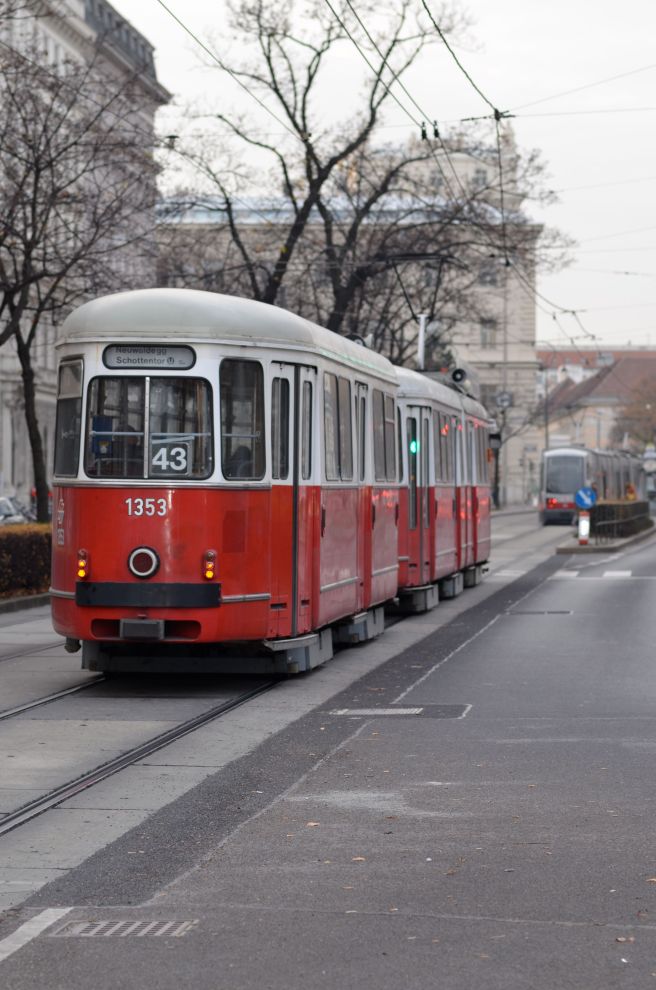
When I am in  certain European countries, those that were Nazi occupied during World War II, and I see these little old-fashioned trains, I am pricked with a feeling of nostalgia and a little morose.  I have felt it in Brussels, Prague, Munich, Krakow, and now, Vienna.  The mass movement of people was such a theme during that time.  I can picture regular citizens trying to get by, catching the train from, hopefully, a job to, hopefully, a roof over their heads.  I can also picture frightened Jews as the circle of their worlds diminished until they finally submitted to board the trains that took them to their deaths at Birkenau, Auschwitz and many other death camps.  I can’t help this association.  I want to be all about the pretty architecture and chocolates, but it is these trains that sober me and make me wonder if I could live in one of these cities.  All of these 50 years plus since that era, I believe those societies still hold the collective memories of the compromises that were made and the grand-scale societal shortcomings they would like to think themselves incapable of, but aren’t entirely sure about.

My friend Tina grew up in Austria.  I met her when we taught together at the Lincoln School in Kathmandu.  Tina, though not an old woman, was already a knowing expat by the time I moved there.  She, herself, moved to Nepal as a teenager of 19.  She was having a religious philosophical discussion with some friends in Austria at that time in her life and based on her viewpoints, someone said, “Tina, I think you are a Buddhist.”  Like the Christian call, take up your cross and follow me, Tina moved to the primitive suburb of Kathmandu called Boudha, moved into a monastery, studied Tibetan, and subsisted on the simple street food of dal bhat.  When I met her, years into her life’s commitment, she taught full-time at the American school and then studied and served about an equal amount of time at the monastery.  A mutual friend said of her that she was perhaps the only true Christian she had ever known and it could be true.

My birthday is on March 4th.  I have always loved the pre-spring awakening and extending daylight hours of my birthday, but a librarian I once worked with had made March 4th into her own little holiday.  It was, for her,  a celebration of marching forth into spring and the year I worked with her, she put a John Phillips Sousa march on the all-school PA system and then went classroom to classroom to file the children out and into a grand march around the school.

One year in Kathmandu, my birthday fell on a Friday, the day we had an extended all-elementary assembly.  The organizer of the assembly and I decided that in honor of my day, we would put on some march music at the end and march the students out of the assembly and back to their classrooms.

Tina came to me after the assembly.  Being as honest as she is kind, she needed me to understand something.  She didn’t want to diminish anything from my birthday, but she and the other European teacher had found the march activity disturbing.  Having grown up in Belgium and Austria, respectively, they were highly sensitive to marching music and in fact, it had been outlawed throughout their childhoods.  They understood that for Americans, marching was victorious and patriotic, but for them, it was terrifying and shameful.  I was so grateful to her for teaching me about that cultural difference.  It is part of what I feel when I am in Europe: the restraint and carefulness, and it explains a lot.

We are working through our own tragedy here at our school in Tunis.  There was the event and then there have been layers upon layers of compounding loss, most of which have been in the form of relationships.  Someone recently reminded me that death and tragedy show you who your friends are.  I never actually understood what that meant.  I thought it meant that those events called your friends out to help you or not, like show up to spend time with you, and that is part of it.

The other part is that these events illuminate your friends’ priorities and how they think, predominately, whether mostly about themselves or about others.  I have seen some confounding behavior from friends in this circumstance that has left me in actual, physical shock.  And what is additionally tragic for them is that they are sometimes making further self-destructive decisions.  Quitting their jobs and moving to escape a traumatic event like we have experienced throws them into additional stress stemming from unemployment, uprooting and moving.

I ask myself, am I going to lose friends over this incident?  And then I think another way to frame the thought is that those friends may have become lost to me through this experience.  The relational structure we previously had isn’t there anymore.  There is no more trust and there are far too many topics that we can’t touch upon in conversation, making communication a verbal landmine field. I am not trying to intentionally carve people out, but I am wondering if some relationship branches are losing life and may need to be pruned, eventually, to promote new growth.

Another friend recently pointed out to me that we are still very much in this experience.  It isn’t past yet.  We are in a different stage of it, but it is still happening.  Knowing that helps me understand why I feel like I’m still responding and not quite yet moving past.  I think I will be soon, but there are still parts of the fallout that continue to rain down.  I am trying to find a way to be kind and also true to myself each day.

I borrow the title for this post from the beautiful Young Adult novel called When Your Reach Me by Rebecca Stead.  Her chapter heading came to me at a significant time in my process this fall and has remained as a guiding theme.  Our school will have a stain, now.  We are marked with tragedy and it will be part of our legacy.  Will that be our defining characteristic?  Absolutely not.  We have a bigger than usual group of bright, dedicated educators joining us next fall and some wonderful prospects for growth on the horizon.  The new recruits know about the tragedy we recently experienced and some are inspired by it and intentionally want to be part of the rebuilding.  The rest have decided it doesn’t affect their feelings about living here.  I personally think we are going to  use our badge of pain as a launching point, and then reinvent ourselves into what we always wanted to become.

God Provides

Oh, the bleating.

Today is Eid al-Adha in the Muslim world.  This day involves the sacrifice of a sheep and a celebration of God’s provision of the lamb in the story of Abraham’s sacrifice from the monotheistic texts.  I have the wonderful opportunity this year, in my new humanities class, to take an in depth look at the path of monotheism through history and I am learning more than I anticipated.

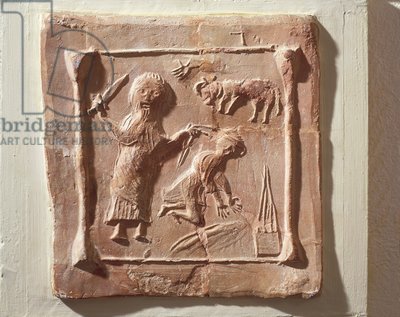
In August, I was visiting our renown Bardo Museum in Tunis which reputedly holds the world’s most vast collection of mosaic murals.  We came to this tile and our guide casually explained it as the sacrifice of Ishmael.

“You mean the sacrifice of Isaac,” I corrected.

“I am speaking from my cultural point of view,” he countered.  And that was the first I had heard of that.  Muslims, maybe some and maybe all, believe that Abraham almost sacrificed Ishmael, upon God’s instructions, and not Isaac.  See how culturally insulated I have been to not know that until now?  People talk a lot, me included, about the common lineage of the three monotheistic faiths, but as I am getting into it, with classes of students reared in all three faiths, I am learning that there are distinctions that may not be so slight.

As Allan and I have traveled around the world this past decade plus, we have noticed the theme of blood sacrifice from culture to culture.  Singapore was the first time we ever encountered the actual ritual sacrifice of animals.  We were taking some out of town guests on a tour of the quay area, a very touristy part of the city.  Walking past the urban mosque, we noticed that the courtyard was jam-packed with sheep.  Livestock not being a familiar sight, we took a peek through the gate.  A man greeted us and invited us in, explaining about this celebration of slaughtering sheep in honor of the sheep God provided Abraham to reward his obedience and spare him the killing of his son… whichever one that was.  The meat is then eaten in family feasts and also shared with the poor, one of the five tenets of Islam.

Something fairly similar takes place in Kathmandu, a Hindu nation.  In the fall, during the Dashain holiday, goats are brought into the city by the hundreds of thousands.  Every household that can afford one takes one home, transporting it any way they can which may be in the trunk of a taxi or held by the wife on the back of a motorcycle.

Allan’s first autumn as director of the Lincoln School, we were specially invited to school for the goat slaughter.  We arrived on campus, early in the morning, to see all of the school vehicles and everything else motorized such as the lawn mower and power tools washed and laid out on the basketball court where they would later receive a blessing of a little blood and a tuft of goat hide.  Our friends from school asked us to accompany them to the small Hindu temple behind the school gates.  There, our transportation director, who was also the Hindu priest of his village, conducted the ceremony.  He brought a goat down the steps into the shrine where 8 to 10 Hindu gods were carved around the perimeter.  He then sprinkled a handful of water on the goat’s back.  Someone explained to us that when the goat shuddered to shake off the water, it was an indication that he was ready to become the sacrifice.  As predicted, this goat did shudder and immediately, Rajendra took his super sharp knife, cut the juggler vein in the goat’s neck and opening the head from the body, like some sort of machine gun, sprayed the goat’s throbbing blood across all of the statues in the temple.  We were stunned and nauseous.  I had to look down and noticed a tag on the shirt of a little neighborhood girl that said Hanna Anderson.  You might know that as a Swedish manufacturer of extremely precious children’s clothing, no doubt donated to Nepal by some charitable organization.  It was a moment of clashing eras for me, which happened all the time in Nepal.

Some of our expat friends are grossed out by the do it yourself slaughter element of  today, but Allan and I both grew up on farms and we are comfortable with knowing and being thankful for the animals that give their lives to feed us.  We have slaughtered our own Thanksgiving turkeys before and in fact find that to be a sincere and authentic way to ritualize a day of commemoration for sacrifice, provision, and deliverance from struggle.

I actually find today to be quite sweet.  Every family has their sheep and the extended family comes together to prepare and enjoy it with good hearts.  We hear the entire pageant over the garden wall we share with our neighbors.  First, we could smell the sheep last night.  This morning, we heard the kids playing with him, then there was the hour of the bleating, all over the neighborhood.  Soon after, it got quiet and we could smell the charcoal fires lighting up.  Not long after, there was the clanking of dishes mingled with the laughing and talking of children and adults.  They are happy and it made me a little homesick for my family on such a day.

We have these rituals to express things that are mysteries in life.  For reasons we can’t entirely explain, we have what we need, we have largely been spared the most devastating of possibilities and we have people around who buoy us.  We somehow know, whatever our belief system, that God provides.

New Patterns

We didn’t mention it much, but the dusting of our lives here in Tunis involved more than the sacking of our school.  Remember hearing about a little kerfuffle going on over at the American Embassy right before they turned their attention to our little school?  Well, we also lived a considerable amount of our lives over at that compound.  We co-own a beautiful swimming pool with the embassy where we have year around swim lessons and swim team, a commissary, and most importantly to us, a marine-caliber gym where we went to de-stress and pump up at least three times a week.  After work, the gym was filled with teachers from ACST staying strong and proactive.  We have really missed that rhythm.

Those of us who used the gym scattered throughout town to various gyms, hoping the gym might reopen within about 6 weeks.  Allan and I, after trying one option and another, have settled on a gym at a hotel on a cliff overlooking the sea.  This is a hotel where we lived for about 3 weeks the year before we moved here for good and we have fond home-like associations with that place.  The traffic is a little thick getting up there after school, but once we get up there, ahhh, the view over the Mediterranean makes all right with the world.  It’s so worth it.

For now, instead of dashing to the marine gym to get in a quick workout after school, we are taking a drive to the neighboring suburb and indulging in a destination workout with the healing bonus of this view.

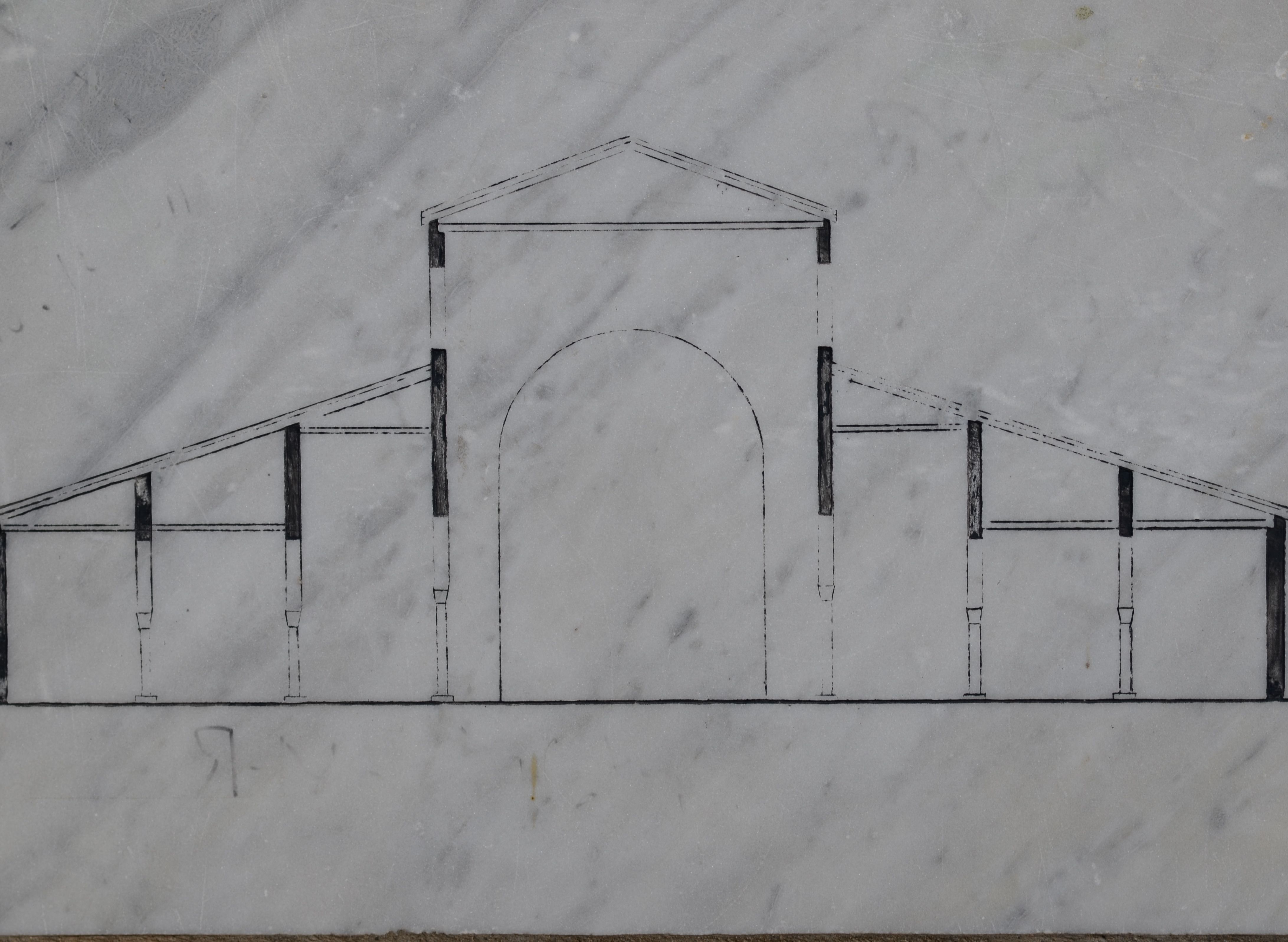
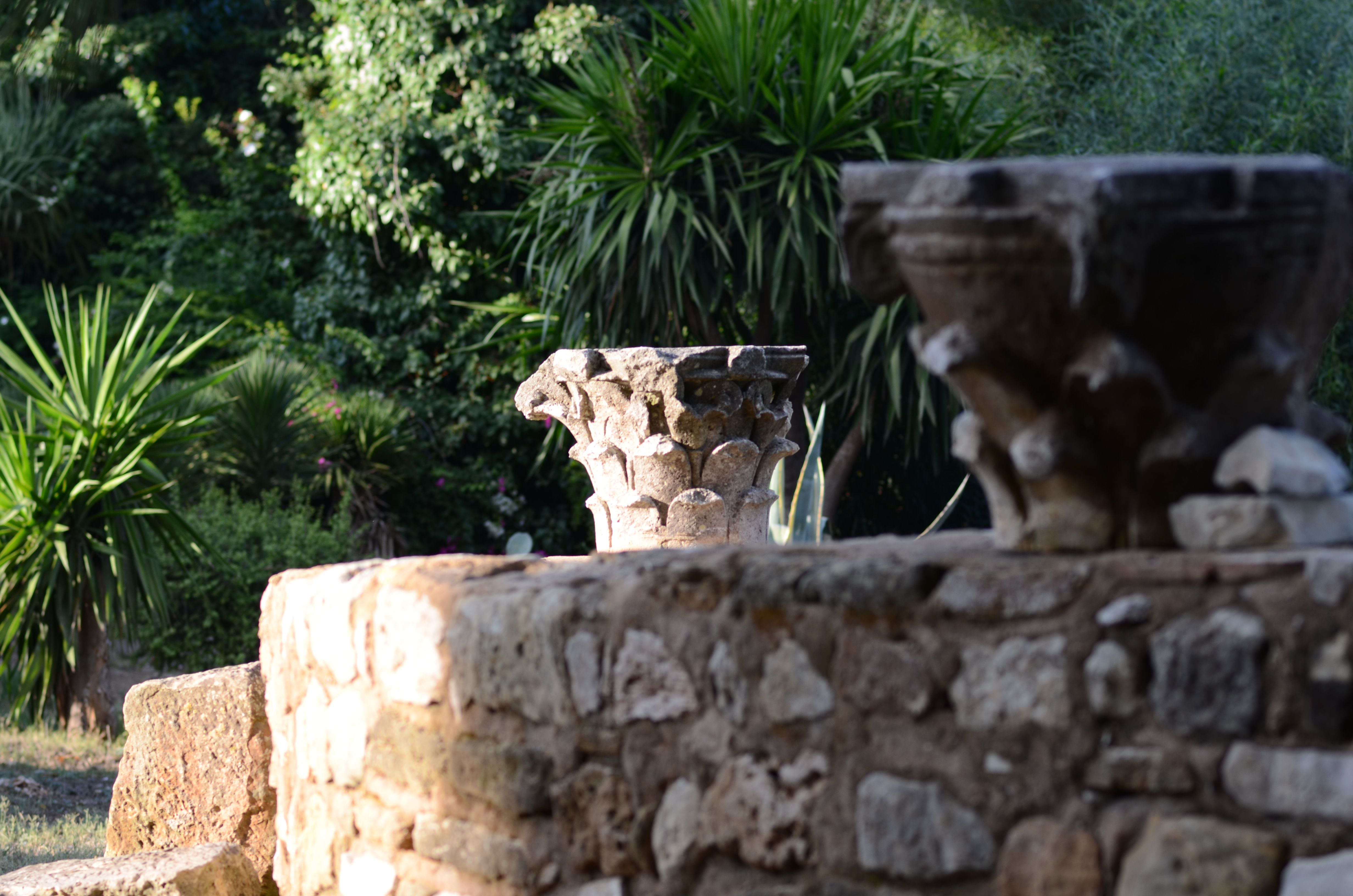
And as we are driving back to Carthage, we pass by attractions we have possibly overlooked for one or two years.  I discovered the ruins of St. Augustine’s basilica in August, but Allan wasn’t with me so I pulled him in there on Saturday afternoon to experience the magnificent siting and wonder what that church might have been like back in the first century.

And finally, I have put in my kitchen garden.  I have a shady small yard and though I have been gathering seeds for awhile, I haven’t found a good site.  This weekend we cleaned some concrete planters on a terrace facing the sea.  We are putting in a new table and chairs set and I’ve finally planted some cool weather greens.

It can be good to change up your patterns.

Now I Know How an Ant Hill Feels

Photo credit: Some rights reserved by Vilseskogen

I hope you were never one of those kids who kicked an ant hill all to pieces whenever you saw one and had the protective footwear for such destruction.  Where I grew up, on a high altitude plateau called Fort Lewis Mesa, we had lots of ant hills, red ants.  I have a childhood memory of playing under a cedar tree in our farm yard when I was about 4 or 5 when I suddenly became aware that I was playing near a red ant colony.  Panicking, I felt like the ants were crawling all over me.  Trying to get away from them, I got myself backed against the trunk of the tree where I stood calling and calling to my mom who was far away in the kitchen of our farmhouse and couldn’t hear me.  I was tethered to that tree in fear, unable to break away and I can see the black patent leather Mary Janes I wore in pictures from that age, balancing on an exposed root from the tree as I fixated on inspecting my feet for the invading army, trying to gain a slight bit of higher ground.  Finally, I somehow got the courage to make a run for it.  I hysterically burst in on my mom, who was working peacefully in the kitchen, thinking I would receive commendation and comfort.  But as much as I tried to impress on her the terrible danger I had just escaped and the immense amount of courage it had required, I could tell that she didn’t really think it had been a big deal and that I had overreacted to a common situation that I could have easily avoided.

I don’t think I hated ants after that, but I did continue to regard them as my nemesis throughout childhood and yes, regretfully,  I do remember sometimes intentionally stomping on an ant hill or two in the following years, but only when I was in a position of clear advantage.

Have you watched what happens after you kick the stuffings out of an ant hill?  The ants scatter around, confused and defensive, looking like they’re going in circles.  Remarkably quickly, however,  they reorganize, start working together again, and rebuild their home within about a day.  Tenacious critters.

We got our kids all back in school this week and the whole week, I couldn’t escape the image of being part of an ant colony.  Some bullies whacked our hill, no question about it.  They got us good and we were dazed and hurt.  But then we let our instincts and discipline reign, rather than our fear and anger.  We sorted through our remains, retrenched our nest, sharing spaces and creating new ones where needed.  And this week, we were back at our excellent work. It felt so good to do what we are meant to do.

Yesterday, with a choked voice, the director thanked the staff with the simple statement, “You saved the school,”  and it is so true.  If we had given in to our disorientation, our students’ families would have migrated to other schools and our school would have become irrelevant or nonexistent.  Instead, we opened with over 90% of our previous enrollment and have a waiting list of new students ready to join us.  Our work will continue to be interesting and full of surprises, I’m sure, and for those reasons, and others, I wouldn’t choose to be in any other colony, anywhere.

Protecting the Nest Egg

Image from seaworld.org

Did you see the Albert Brooks movie Lost in America, circa 1985?  Here is the story line:

David and Linda Howard are successful yuppies from LA. When he gets a job disappointment, David convinces Linda that they should quit their jobs, liquidate their assets, and emulate the movie Easy Rider, spending the rest of their lives travelling around America…in a Winnebago! (This is a kind of large, luxurious mobile home which suits a 1980’s yuppie more than the counterculture dropout approach of Easy Rider.) His idealized, unrealistic plans soon begin to go spectacularly wrong. Written by Reid Gagle

Yes, yuppies, Winnebagoes, it was from a slice of time alright.  The poignant thing about this movie, however, is that early into David and Linda’s big trip, they stop off in Las Vegas for a second honeymoon where, while David sleeps peacefully in their heart-shaped bed, the generally hyper-responsible Linda gambles away their entire nest egg of money.  They spend the rest of the movie trying to recover from this gambling spree until they finally return to the working world at the end of the movie, having gained valuable insights into themselves.  But there is a scene, from which comes a memorable quote,  where Albert Brooks is giving his wife a patronizing lecture about losing the nest egg.  “Its a very sacred thing, the nest egg. And if you had understood the ‘nest egg principle’, as we will now call it, in the first of many lectures that you will have to get. Because if we are ever to acquire another nest egg, we both have to understand what it means...”  And I agree that nest eggs are sacred.

This week has been terribly hard work.  First, we had to confront the unbearable sadness of the violation of our campus where the majority of the damage was done to our youngest, most vulnerable children.  Next, we had to move anything usable from the charred classrooms,  put on our rubber gloves and wash soot off of the salvaged school supplies, which was tedious and irritating.  Finally, we had to confront our fears about any possibility that something threatening could happen to us again and whether or not the Tunisian government would come to our aid.  Our school community is spread across a continuum of healing, ranging from I want to hop on a plane in the next 5 minutes and never look back at Tunis to I am ready to have students come back to school and get back to normal.  We have had heart-wrenching group discussions and cried buckets of tears.  But now I think it is time for that stage to end.

In one week, a scab has formed over the wound.  It hasn’t healed, but we’re learning to live with it.  I am thinking of our collective healing as our nest egg.  What do we have invested in our egg?  Our previous relationships with each other, our respect for one another’s professionalism, the side-by-side work we’ve done this week to clean up our school and get resorted, the tears and transparency of our sharing, our tentative willingness to trust our host government again.  It’s a precious little bundle at the moment, but it’s our most valuable asset.  We have coddled together this embryonic package of trust and vision and downright love and I think that at this point the tending of our nest egg should be one of our highest values.

How do we nurture our egg?  I have been thinking about some good solid Buddhist principles.  Ever heard of the Eightfold Path?  It is a practical self-checklist to gauge how positively you are responding to the disappointments of life.  Here are the points in a very simple form:

1. Right View Wisdom
2. Right Intention
3. Right Speech Ethical Conduct
4. Right Action
5. Right Livelihood
6. Right Effort Mental Development
7. Right Mindfulness
8. Right Concentration

http://www.thebigview.com/buddhism/eightfoldpath.html

Sometimes, most times, healing from something that is truly hurtful requires a decision to do so.  One can remain wounded for an indefinite amount of time, for a lifetime even, because he isn’t willing to stop being hurt.  Families are where you have probably had to practice this at some point in your life.  Families can hurt each other, intentionally and otherwise.  I have found that healing or not comes down to weighing the offense against the consequence of alienation from the family member.  I, personally,  have never been able to carry through with not having that person in my life for the rest of my life.  I simply could not maintain it and wouldn’t want to.  The alternative then was to stop thinking about and rehashing the offense, stop bracing against a possible repeat of the offense, get busy with positive living and thinking and let time heal.  And it turns out that it does.